Thursday, May 12, 2011

Thor: BIG, Bulging, Strong... Cardio+Xfit

Thor/Chris Hemsworth
(Picture at Celebitchy.com)


Today I'll be presenting deep thoughts.

Mhhhhmmm.... Mighty God of Thunder and weather... Thor (played by haaawwwt and humble aussie Chris Hemsworth) and his *haa ah!* mitochondria...


SUMMER FLICKS ARE HERE LADIES!

Watch 'em (and try to stop drooling). It was a toss up between Thor and the FF/XXX franchise (2 hotties) which was a t-o-u-g-h-i-e. [Celebitchy Thor and his mighty abdominal muscles rule the box office was a factor.]

Mr.Hemsworth [and his mitochondria] talk about his workout HERE. Bulking out excessively on heavy lifting made him 'blocky' and unable to move lithely, but provided the beef. However, switching it up to 'cardio and crossfit-style' workouts gave him the final movie form (listen at 1:33), fit that fancy Nordic warrior outfit and save Asgard and the world.

Wednesday, May 11, 2011

Eat My Biscuits. Sausage Biscuits *wink*


My sister 'M' is a masterful mastermind in the hearth of her house, the kitchen. Her sweet goodies and salty savories are the kibble for my soul and sanctuary. (And sometimes growing adipose cells! )

Each ingredient in her recipe is a SUPER FOOD by all comparisons.


Coconut flour is awesome stuff. Apparently it has great minerals, medium chain fatty acids and fiber. Fiber is good especially when it is lectin and phytic acid free (unlike legumes, raw nuts/seeds and wholebodydiseasegrains).

Red VPO (virgin palm oil) is one of the most popular oils in the world -- rich in deep orange carotenoids, antioxidant tocotrienols, coenzyme Q10, stigmasterol/plant sterols (anti-rheumatic Wulzen factor) and both oleic acid and palmitic acid (yes you need both -- read Peter Hyperlipid THE HORROR NEVER ENDS).

Onions, low carb, high protein -- these food factors make for great health and snacking. Onions and green onions are rich in sulfur and quercetin (if you don't have SIBO and can tolerate FODMAPs) which aid glutathione proteins to detox and keep toxins at bay.

Excessive carbs glycosylate and sugar-coat organs -- the tomatoes are fantastic long-acting carbs without impacting BGs.

High protein -- sustains growth, repair and regeneration.

Sausage biscuits are one of the easiest to make vehicles for coconut flour and the other super foods. These keep for a while and are simply convenient to snack on and easily transportable (though somewhat crumbly if smashed). Coconut flour absorbs a lot of water from the air -- the eggs from the protein seal the moisture in but you may have to adjust the liquid in the recipe depending on your house humidity and other factors.

These make great paleo bisonburger 'buns' when split apart in half...


Sausage Biscuit Recipe
(modified, courtesy of my sister 'M' YOU ROCK GRRRL!!)


4 eggs
1/4 c. virgin palm oil (or lard or ghee or coconut oil)
1/4 tsp. Utah salt
1/4 tsp. onion powder or grated onion, opt.
1/8 - 1/4 c. minced scallions (or shallots or white onions)
1/2 c. coconut flour, sifted
1/4 tsp. baking soda (Aluminum free)
1/2 c. organic sundried tomatoes
4 to 8 oz. sausage or ground beef/bison sauteed with sundried tomatoes and some tomato or fave spaghetti sauce until semi-dry but mildly moist (I like Mario Batali's sauces)


Blend together eggs, oil, salt and onion. Combine coconut flour with baking soda and whisk into batter until there are no lumps. Fold in minced sundried tomatoes and sausage. Let the batter rest for 4-5 min to thicken. Drop batter by the spoonful onto greased cookie sheet (or use parchment paper), 2 in. apart. Bake at 400 degrees for 15 min.

Makes 8 biscuits.


Related References:

Stephan Guyenet PhD: Palm oil -- one study 69% reduction in oxLDL. Palm oil contains Coenzyme Q10, tocotrienols (family of vitamin E's).
http://wholehealthsource.blogspot.com/2010/07/tropical-plant-fats-palm-oil.html

Expert Researcher Barry Tan PhD on carotenoids and tocotrienols in palm oil, interview and research articles.
http://www.drpasswater.com/nutrition_library/tan_1.html
http://americanrivernutrition.com/research/research-articles

History of Palm Oil and production
http://www.cambridge.org/us/books/kiple/palmoil.htm

More history: Introduction: nutritional aspects of palm oil.
Cottrell RC.
Am J Clin Nutr. 1991 Apr;53(4 Suppl):989S-1009S. Review. (free PDF)

Vitamin E tocotrienols improve insulin sensitivity through activating peroxisome proliferator-activated receptors.
Fang F, Kang Z, Wong C.
Mol Nutr Food Res. 2010 Mar;54(3):345-52.
PMID: 19866471

Comparative effects of dietary corn oil, safflower oil, fish oil and palm oil on metabolism of ethanol and carnitine in the rat. [PO improves carnitine status]
Sachan DS, Yatim AM, Daily JW.
J Am Coll Nutr. 2002 Jun;21(3):233-8.
PMID: 12074250 (free PDF)

Heated palm oil [FIVE-TEN TIMES] causes rise in blood pressure and cardiac changes in heart muscle in experimental rats. [unheated palm oil was associated with wt loss compared with control rats]
Leong XF, Aishah A, Nor Aini U, Das S, Jaarin K.
Arch Med Res. 2008 Aug;39(6):567-72.

The effect of dietary red palm oil on the functional recovery of the ischaemic/reperfused isolated rat heart: the involvement of the PI3-kinase signaling pathway.
Engelbrecht AM, Odendaal L, Du Toit EF, Kupai K, Csont T, Ferdinandy P, van Rooyen J.
Lipids Health Dis. 2009 May 29;8:18.

Cardioprotection with palm oil tocotrienols: comparision of different isomers.
Das S, Lekli I, Das M, Szabo G, Varadi J, Juhasz B, Bak I, Nesaretam K, Tosaki A, Powell SR, Das DK.
Am J Physiol Heart Circ Physiol. 2008 Feb;294(2):H970-8.
PMID: 18083895 (free pdf)

Dietary red palm oil supplementation reduces myocardial infarct size in an isolated perfused rat heart model.
Bester DJ, Kupai K, Csont T, Szucs G, Csonka C, Esterhuyse AJ, Ferdinandy P, Van Rooyen J.
Lipids Health Dis. 2010 Jun 18;9:64.
PMID: 20565865 (free pdf)

Replacement of dietary fat with palm oil: effect on human serum lipids, lipoproteins and apolipoproteins. [11% increase in human subjects of HDL2b, the cardio- and disease-protective HDL fraction with palm oil]
Sundram K, Hornstra G, von Houwelingen AC, Kester AD.
Br J Nutr. 1992 Nov;68(3):677-92.

Effect of dietary palm oil on lipoprotein lipases: lipoprotein levels and tissue lipids in rat. [higher HDL, lower TG compared with control diet arms]
Pereira TA, Sinniah R, Das NP.
Biochem Med Metab Biol. 1990 Dec;44(3):207-17.

Palm and partially hydrogenated soybean oils adversely alter lipoprotein profiles compared with soybean and canola oils in moderately hyperlipidemic subjects. [Palm Oil Increases in HDL, increases in apoA1 and both are disease/longevity-protective -- Table--in only 35 days, with palm oil, increased HDL, apoA1, and lowered TG, Lp(a) compared with canola, soy and hydrogenated soy; I ignored authors' conclusions]
Vega-López S, Ausman LM, Jalbert SM, Erkkilä AT, Lichtenstein AH.
Am J Clin Nutr. 2006 Jul;84(1):54-62. (free PDF)

Palm oil and health: a case of manipulated perception and misuse of science.
McNamara DJ.
J Am Coll Nutr. 2010 Jun;29(3 Suppl):240S-244S.

Saturday, April 23, 2011

Fermented Asian Food and Gut Dysbiosis 101


Flexibility = Adaptability

This gentleman was kind enough to let me take his photo by the West Lake in Huangzhou. His pose lasted longer than the time we had to hang out! I especially loved his timeless smile and ageless grace.


Fermented Foods of China


Quest for Fermented Food

In our first leg of our vacation in China, my husband and I had dinner with fellow blogger and fermentation fan Seth Roberts at his choice, a Yunnan restaurant which specialized in regional dishes. Wasn't difficult to track down dishes with fermented condiments or fermented flavors. Most traditional ethnicities incorporate fermented foods in daily meals from dawn to twilight no matter where you are on planet earth. (everywhere except the land of McDonalds, Velveeta doesn't count!)

From top to bottom:
-- roasted duck with fermented bean paste (I think, I can't recall now!)
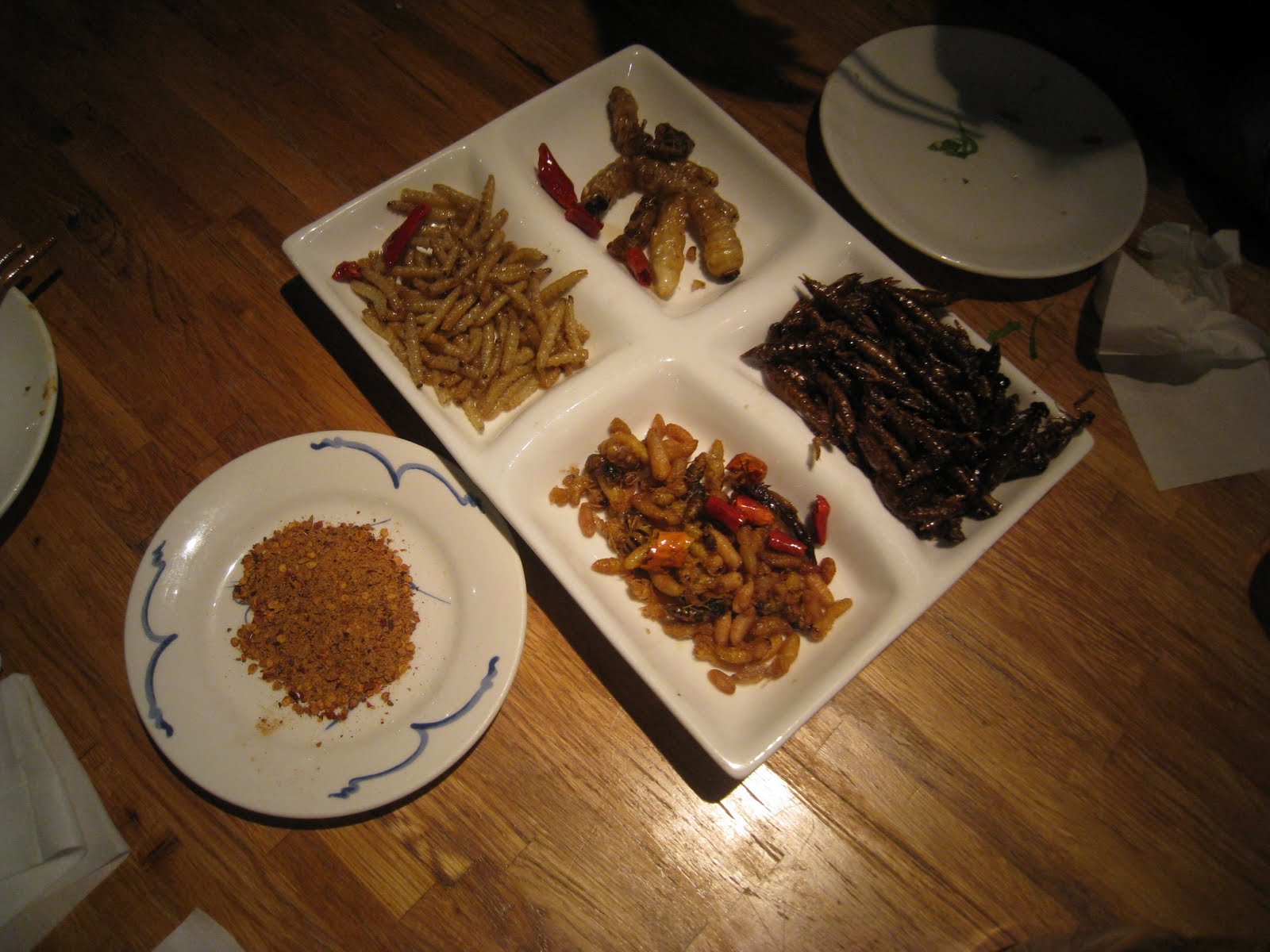
--deep fried insects (grub have microbiota which ferment but *ugggh* the veggie oils)
--fish with fermented black bean sauce
--yak milk yogurt, fermented sweeten rice wine dessert w/tapioca balls, tea with milk (tea leaves fermented)
--(not shown) B-E-E-R, fermented grains (it aint that bad, no?)


YUM!


Exploring the Benefits of Fermentation

Our gut microbiome is primarily responsible for fermenting our undigested food. Under pathologic circumstances, fermentation happens where it is not supposed to, e.g. the stomach, small bowel or in our blood stream.

Below Jiménez describes the benefits and distinct role our gut microbiome plays in our health, longevity and maintenance. Some experts even propose that our gut microbiome fucntions as an neuro-endocrine organ. I would strongly concur. It is transplantable like any other organ and is so indisposable that we cannot live without it. When it goes awry in function, like any other organ, a host of chronic illnesses and disorders ensue -- obesity, autoimmune diseases, cancer, mental conditions/crankiness, infertility, heart disease, etc.


Table IV Primary Functions of Intestinal Microflora (per Jiménez) (free PDF)
I. Planktonic microflora --> METABOLIC

(a) To ferment indigestible substrates (fiber, extruded cells and endogenous mucus)

(b) To favor the growth of beneficial intestinal microflora
----(i) Improves lactose digestion----(ii) Modulates intsetinal gas production
----(iii) Increases genesis of short-chain fatty acids --> intraluminal acidication --> increases intestinal transit
----(iv) Increases the absorption of Ca, Fe, and Mg----(v) Synthesizes vitamins: K, folic acid, biotin, B12

II. Mucosa-associated microbiota (MAM)

(a) Protective
----(i) Barrier effect + bacteriocin synthesis --> prevention of invasion by exogenous pathogens
----(ii) Maintenance of intestinal permeability --> prevents bacterial translocation and systemic infection (e.g. PREVENTION OF POOP IN THE BLOOD STREAM)

(b) Trophic
----(i) Controls epithelial cell proliferation and differentiation of intestinal mucosa
----(ii) Maintains new cell growth in intestinal epithelial crypts
----(iii) Of the intestinal immune system: cells and serum (immunoglobulins)


Sources

Rev Esp Enferm Dig. 2009 Aug;101(8):553-64.
Treatment of irritable bowel syndrome with probiotics. An etiopathogenic approach at last?
Bixquert Jiménez M.
Abstract
Irritable bowel syndrome (IBS) is the most common functional digestive disorder, and may affect 11-20% of the adult population in industrialized countries. In accordance with Rome III criteria (2006) IBS involves abdominal pain and bowel habit disturbance, which are not explained by structural or biochemical abnormalities. Several hypotheses attempt to account for the pathophysiology of IBS, but the etiology still remains uncertain or obscure, perhaps multifactorial. Abnormalities in colonic microflora have recently been suggested in such patients, as has abnormal small-intestine bacterial overgrowth (SIBO), or in particular a significant reduction in the amount of intraluminal Bifidobacteria or Lactobacilli, with consequences like the production of colonic gas, and motility or sensitivity disturbances of the intestinal tract. The disorder is difficult to treat, and the wide spectrum of non-drug and drug treatments shows our ignorance about the cause of the condition. Newer drugs, both pro- and anti-serotonin, have failed to show long-term efficacy or have been withdrawn due to concerns about harmful effects. Recent research has provided increasing support for the idea that disturbances of intestinal microbiota occur in patients with IBS, and that such abnormalities may contribute to IBS symptoms. Studies in Scandinavian countries in the last ten years emphasize the role of probiotics in the modulation of intestinal microbiota, and as a consequence in the regulation of the motility and hypersensitivity of the digestive tract. Although results between studies are difficult to compare because of differences in study design, probiotic dose, strain, and duration of therapy, some studies show symptom improvement. Lactobacilli are found among the normal bacterial flora of the gastrointestinal tract, and Lactobacillus plantarum (Lp) is one of the species frequently isolated from the human mucosa, which is capable of surviving the low pH of the stomach and duodenum, resisting the effect of bile acids in the upper small intestine when ingested, and temporarily colonizing the gastrointestinal tract by binding to the intestinal and colonic mucosa. Concurrent with colonization by Lp there is a decrease in bacterial groups with gas-producing ability, such as Veillonella spp. and Clostridia spp. Evidence has now accumulated to suggest the efficacy of certain probiotics like Lp299v, which may be capable of bringing about a significant reduction in pain, abdominal distension and flatulence, while increasing health-related quality of life in IBS.


Int J Mol Sci. 2009 Aug 27;10(9):3755-75. Free PDFThe improvement of hypertension by probiotics: effects on cholesterol, diabetes, renin, and phytoestrogens.
Lye HS, Kuan CY, Ewe JA, Fung WY, Liong MT.
Abstract
Probiotics are live organisms that are primarily used to improve gastrointestinal disorders such as diarrhea, irritable bowel syndrome, constipation, lactose intolerance, and to inhibit the excessive proliferation of pathogenic intestinal bacteria. However, recent studies have suggested that probiotics could have beneficial effects beyond gastrointestinal health, as they were found to improve certain metabolic disorders such as hypertension. Hypertension is caused by various factors and the predominant causes include an increase in cholesterol levels, incidence of diabetes, inconsistent modulation of renin and imbalanced sexual hormones. This review discusses the antihypertensive roles of probiotics via the improvement and/or treatment of lipid profiles, modulation of insulin resistance and sensitivity, the modulation of renin levels and also the conversion of bioactive phytoestrogens as an alternative replacement of sexual hormones such as estrogen and progesterone.

Saturday, March 12, 2011

Outs*de of the Main... R-evolutionary docs, Integrative Medicine, Mitochondrial Medicine/Chi

'Western medicine is in crisis. Continually increasing resources are being expended to combat the age-related diseases that include diabetes and metabolic syndrome, Alzheimer's disease, Parkinson's disease, cardiovascular disease, and cancer. Yet the causes of these diseases remain a mystery, while their incidence and morbidity either remain constant or are increasing.'

Douglas C. Wallace, PhD
Center for Molecular and Mitochondrial Medicine and Genetics, Departments of Ecology and Evolutionary Biology, Biological Chemistry, and Pediatrics
University of California, Irvine, California
'Mitochondria as Chi'


Eric Turner and Tinie Tempah
'Written in the Stars'
Courtesy Youtube.com


Evolutionary Medicine

Dr. Tourgeman, Mr. Billy E (from Nephro-paleo) and many others subscribe to an evolutionary (revolutionary) approach for the delivery and science of medicine and reversal of neoLETHAL diseases. The failures of pharmaceutical treatments (ACCORD--diabetes treatment, STATINS S*CK AND DEBILITATE MITOCHONDRIA, etc), out of control incidence of dia-besity and exponential increases in autism, autoimmune disorders and cancer never cease to astound. Modern medicine illustrates too well where we are going wrong with a false foundation of non-functional exercise prescriptions (lack of intensity and weight bearing), high carb grain-based diets and ignorance for ancestrally cemented diurnal/circadian hormesis patterns.


Busy With Blog- and BOOKLUST *ha aaaaahh!*

I've been reading, reading, reading and absorbing... Yeah... it's awful... multitasking my reading b/c I cannot choose and they are all awfully EXCELLENT. Evolutionary medicine, horticulture/PHARMING, hormones and integrative medicine have the been the topics of keen interest the last few months.

  • Hofmekler--The Anti-Estrogenic Diet (of warrior diet fame)
  • Gedgaudas--Primal Body, Primal Mind (evolutionary integrative practitioner who understands our primordial past and neolithic strategies/testing to reverse neoLETHAL damage to the gut, mind and metabolism; 'paleo' is not enough)
  • Young--The pH Miracle
  • Hotze--Hormones, Health and Happiness (former ER doc and allergist turned anti-grain integrative physician)
  • Turner--The Hormone Diet (fixed her thyroid, hot ND hormone s*xxxxpert)
  • Somers--S*xxxy Forever (she's FINALLY addressing gluten and focusing on environmental toxins with consults from Crinnion and Blaylock; online resources: HERE incl integrative paleo Dr. LePine MD)
  • Kimball--The Dirty Life: On FARMING, Food and LOVE (NPR interview)
  • Peter Ballerstedt--Grass-based Health Blog (my fave post: LARD)
  • Rosensweet--Menopause and Natural Hormones
  • Stephenson--Awakening Athena (interview)
  • Werner--Why You Are Fat (gluten-free, hawwwt, hormone queen, trainer who fixed her low progesterone)
  • Taubes--Why We Get Fat (sublime, drool-inducing physicist)
  • Lepine--revolutionary integrative Dartmouth-trained physician and educator
  • Teta brothers--The ME Diet (Metabolic Edge) -- paleo ND physicians and trainers
  • Kurzweil--Transcend (paleo high-tech)
  • Fossel et al--The Immortality Edge (paleo, HIIT telomere science)
  • Sara Godfried--organic gynecologist blog (giggle-worthy, ginormously gifted Harvard-trained integrative physician)
  • Rich Stagliano MD--Blog, former ER doc now blog-astic integrative MD
  • [Pending, Energy and Life: The Promise of Evolutionary Medicine and the Vital Role of Mitochondria by Douglas C. Wallace, Robert Cooke]


Integrative Medicine

Lately I've had the pleasure and oportunity to meet many other integrative practitioners. For one, last year I have had more time after going part-time working 2/days per week at a new position at an integrative medicine/BHRT compounding pharmacy. With chances to talk to integrative practitioners and patients who are ahead of the curve happening all day long, knowledge gaps are being filled in. Sometimes tales do morph to reality. Integrative medicine is where the rubber meets the road -- an interface between high and low tech; between science and folklore. We know paleo works but does it meet modern metrics? Yes naturally of course. You knew that. Is an evolutionary diet and lifestyle enough? Why not, if not?


Wallace: Evolutionary Medicine

Below are a couple of abstracts from Wallace a scientist with a bend toward evolutionary medicine and special emphasis on mitochondrial medicine. Many of us including Tourgeman and I are enormous fans of mitochondria (read the seminal Nick Lane's Power, S*x, Suicide), our endocytosed bacteria what we host and cater to. Both plants and animals have mitochondria, yet only the ascent of man may be attributed to mitochondria and the efficient mitochondrial fatty oxidation of our adipose and ketones. The returns for optimal mitochondrial health are huge -- disease free longevity, happiness and efficient energy production to name just a few. The complexity of mitochondria involve physics, energy, systems biology, maternal genetics, epigenomes, membrane potentials, control of pollution (ROS), bioelectricity, ATP and the explosive, exothermic energy extraction of H2O synthesis.


Chi = Energy = Mitochondria

Wallace describes chi (ancient Chinese philosphy of energy and its flow) as mitochondria. For a Western conventionally-trained scientist, I find that to be mind-numbing and immense.


(Energetics, epigenetics, mitochondrial genetics. Wallace DC, Fan W. Mitochondrion. 2010 Jan;10(1):12-31.)


Our Uniqueness, Based on Bad*ss Factors like Mitochondrial Haplotypes and Migration

If we are all from Africa, then what separates us genetically? Why do some fail on 'paleo' or 'panu' or 'OD' or 'plant avoidance' or ketosis' or 'zone' or whatever? First of all, the dynamics of hormones, toxicity, and extent of neoLETHAL damage on endocrine/GI/brains cannot be overemphasized. Outside of these obvious factors, I conjecture the remainder of genetic variations that were selected for thriving and reproduction depended on our ancestors' local microenvironmental niches, climate changes and resultant food supply.


Omni-wh*res and Recent (3 - 16 kya) Evolution

Unlike guinea pigs or lions, humans are OMNI-WH*RES... *ha* We eat anything and everything edible... EVEN HYDROGENATED TWINKIES.

In Asians, once rice fermentation and alcoholic beverages evolved, so did the gene to process alcohol without toxicity (alcohol dehydrogenase, ADH1B). NY Times: Adventures in Very Recent Evolution.


Mitochondrial mtDNA Variants

Mitochondrial, Y Haplotypes and other DNA variants may indeed describe our bioenergetic differences on the most basic level. Mitochondria utilize for energy production and regulation of genes/growth/reproduction many co-factors: B-vitamins, coenzyme Q10, carnitine, lipoic acid, thyroid hormone (selenium, iodine, tyrosine), etc... Some inviduals have higher B vitamin and methylation requirements whereas others are fine with virtually none? Vitamin C requirements I hypothesize might actually vary by equatorial latitude perhaps in the same fashion perhaps as vitamin D and UV B photons. Where did your ancestors and mtDNA originate from?


Other references:

[edit] THANK YOU GENTLEREADER, TYLER (Blog at Evolutionary Health Systems)!!

Annu Rev Biochem. 2007;76:781-821.
Why do we still have a maternally inherited mitochondrial DNA? Insights from evolutionary medicine.

Abstract
The human cell is a symbiosis of two life forms, the nucleus-cytosol and the mitochondrion. The nucleus-cytosol emphasizes structure and its genes are Mendelian, whereas the mitochondrion specializes in energy and its mitochondrial DNA (mtDNA) genes are maternal. Mitochondria oxidize calories via oxidative phosphorylation (OXPHOS) to generate a mitochondrial inner membrane proton gradient (DeltaP). DeltaP then acts as a source of potential energy to produce ATP, generate heat, regulate reactive oxygen species (ROS), and control apoptosis, etc. Interspecific comparisons of mtDNAs have revealed that the mtDNA retains a core set of electron and proton carrier genes for the proton-translocating OXPHOS complexes I, III, IV, and V. Human mtDNA analysis has revealed these genes frequently contain region-specific adaptive polymorphisms. Therefore, the mtDNA with its energy controlling genes may have been retained to permit rapid adaptation to new environments.


Dev Disabil Res Rev. 2010 Jun;16(2):114-9.
Bioenergetics and the epigenome: interface between the environment and genes in common diseases.

Abstract
Extensive efforts have been directed at using genome-wide association studies (GWAS) to identify the genes responsible for common metabolic and degenerative diseases, cancer, and aging, but with limited success. While environmental factors have been evoked to explain this conundrum, the nature of these environmental factors remains unexplained. The availability of and demands for energy constitute one of the most important aspects of the environment. The flow of energy through the cell is primarily mediated by the mitochondrion, which oxidizes reducing equivalents from hydrocarbons via acetyl-CoA, NADH + H(+), and FADH(2) to generate ATP through oxidative phosphorylation (OXPHOS). The mitochondrial genome encompasses hundreds of nuclear DNA (nDNA)-encoded genes plus 37 mitochondrial DNA (mtDNA)-encoded genes. Although the mtDNA has a high mutation rate, only milder, potentially adaptive mutations are introduced into the population through female oocytes. In contrast, nDNA-encoded bioenergetic genes have a low mutation rate. However, their expression is modulated by histone phosphorylation and acetylation using mitochondrially-generated ATP and acetyl-CoA, which permits increased gene expression, growth, and reproduction when calories are abundant. Phosphorylation, acetylaton, and cellular redox state also regulate most signal transduction pathways and activities of multiple transcription factors. Thus, mtDNA mutations provide heritable and stable adaptation to regional differences while mitochondrially-mediated changes in the epigenome permit reversible modulation of gene expression in response to fluctuations in the energy environment. The most common genomic changes that interface with the environment and cause complex disease must, therefore, be mitochondrial and epigenomic in origin.


Annu Rev Pathol. 2010;5:297-348.
Mitochondrial energetics and therapeutics.

Abstract
Mitochondrial dysfunction has been linked to a wide range of degenerative and metabolic diseases, cancer, and aging. All these clinical manifestations arise from the central role of bioenergetics in cell biology. Although genetic therapies are maturing as the rules of bioenergetic genetics are clarified, metabolic therapies have been ineffectual. This failure results from our limited appreciation of the role of bioenergetics as the interface between the environment and the cell. A systems approach, which, ironically, was first successfully applied over 80 years ago with the introduction of the ketogenic diet, is required. Analysis of the many ways that a shift from carbohydrate glycolytic metabolism to fatty acid and ketone oxidative metabolism may modulate metabolism, signal transduction pathways, and the epigenome gives us an appreciation of the ketogenic diet and the potential for bioenergetic therapeutics.

Saturday, January 29, 2011

movnat... eatnat... lovnat...


PARKOUR [French] = PARK YOUR FACE ON THE GROUND [j/k]


George Hébert 'Being strong to be useful...'

Young Erwan Le Corre was inspired by George Hébert before taking his parkour urban skills and Ironman talents out to structured workshops focused on training and teaching others the lifestyle he put together. Approximately 100 years ago, Hébert's training manual Methode Naturelle was published and can be seen HERE (picture above courtesy Hawaii Parkour/Hébert; last photo credits to Diablo Crossfit my playground). A big fan of 'natural' movements by indigenous and African cultures, Hébert was one of the first advocates for obstacle-course form of physical training and embracing a melding of mind, spirit and body with nature.

Nick Heil of Outside magazine attended one of the Re-Awakening MovNat workshops (along with bloggers Melissa McEwen and David Csonka), survived, and wrote up the experience in a moving essay.

Richard Nikoley attended one of the advanced Expansion workshops which I very very briefly considered. Read FTA for highlights and vids HERE. Bummer. Should've gone *sigh regret*. Playing and hanging out with buff, half-nekkid, hot gals and guys for 5 days and nights... what was I thinking?? Who's going to Thailand?

Functional usefulness from Crossfit... YEAH BABY.

Recently I successfully climbed up and broke into a 2nd story apartment.

Had to be done. Accidentally we locked ourselves out and the 3 year old was cold and hungry. After doing a half-split on the outside stairway to reach the balcony, without clumsiness, I snookered up, scaled around the balcony where it was covered by a bamboo fence, then hoisted over with a light landing in front of the sliding door I'd left open earlier while I was sunning myself reading 'My Dirty Life: On Farming, Food and Love.' Multiple warnings were issued to the pre-teens (my kids and the older nieces) -- DO NOT DO THIS AT HOME. *haa ah* Naturally they'll ignore since I let them climb the toolshed at home. I think functional exercises are excellent because never know when you'll need them, and falling or breaking my leg would've been awfully horrible and traumatic for the children...


MovNat featured in Outside Magazine Jan 2011 article by Paleo-virgin Nick Heil

Click above for full article with pictures from the 5-day Re-Awakening Workshop and several extra features (collage pictures, demos -- kids please do this at home!)

Heil wrote about the final day's activities which included a gauntlet of physical challenges in the fasted stated, "Wearing only shorts and a dark-green bandanna, and streaked with mud as if someone had outlined his muscles with a black magic marker, he [Erwan Le Corre] looked downright feral. 'Adaptability is the holy grail of MovNat,' he told us. 'This is what we have done throughout human history. But we have lost touch with the world that created us.' "


Functionality=Flexibility=Strength

All the best athletes I have come across are extremely limber and flexible as felines. Personally my best athletic performances are when I am doing yoga and more endurance type challenges. If one notices in Methode Naturelle, many of the stretches are inherent to yoga. They translate to fluid and cat-like grace.

Strength benchmarks aren't my forte but I looked at Erwan's expectations and they were all do-able.

Benchmarks for Functional Fitness: Prequisites for the Expansion Workshop

Can you do the below?

Self-assessment criteria for this course:
o You are comfortable barefoot or with minimal shoes. --YES
o You can run 10 kilometers (a 10k) in under 50 minutes easily (an 8minute mile pace) --NO but d*mn good 9-10min mile easily
o You can easily perform 10 explosive pull-ups in a row --NO I SUCK.
o You have some powerlifting and Olympic weightlifting experience and can at least deadlift and squat your own bodyweight and clean and jerk half your body weight --YEEESSSSSSSS!!! 120-125lbs baby...
o You can hold a well-aligned plank pose for at least a minute, you can do 20 successive walking lunges while maintaining your stability, and you can at least vertical jump up to your knee-level and long jump half your height from a static posture then stabilize your body easily. --NOOO PROBLEMO
o You can comfortably swim freestyle and backstroke. --YES
o You can hold your breath at least one minute and 30 seconds. --OF COURSE
o You have no serious health issues that prevent you from performing optimally including injuries that you must work around. --CHOCOLATE, CAFFEINE AND ALCOHOL WITHDRAWAL SYNDROMES???! DTs?


Tuesday, January 11, 2011

#1 Male Model: Body Fat Loss and Muscle Mass (nsfw)

Dear Gentle Female Readers (and my hawwt gay fans)... is your winter a bit icy or chilly?

THAW OUT!


David Gandy Interview
Jonathon Ross Show
April 2010


Getting Into Fighting/Dolce&Gabana Shape: Gandy's own words

1. Cut all carbs out (at 2:02 of interview)
2. Go to the gym everyday
3. Don't have any booze
4. I love a biscuit... all my food and everything... you just cut everything out...


Need I convey more?

[Images: courtesy celebitchy.com (hot guy friday series *haa ah*)]


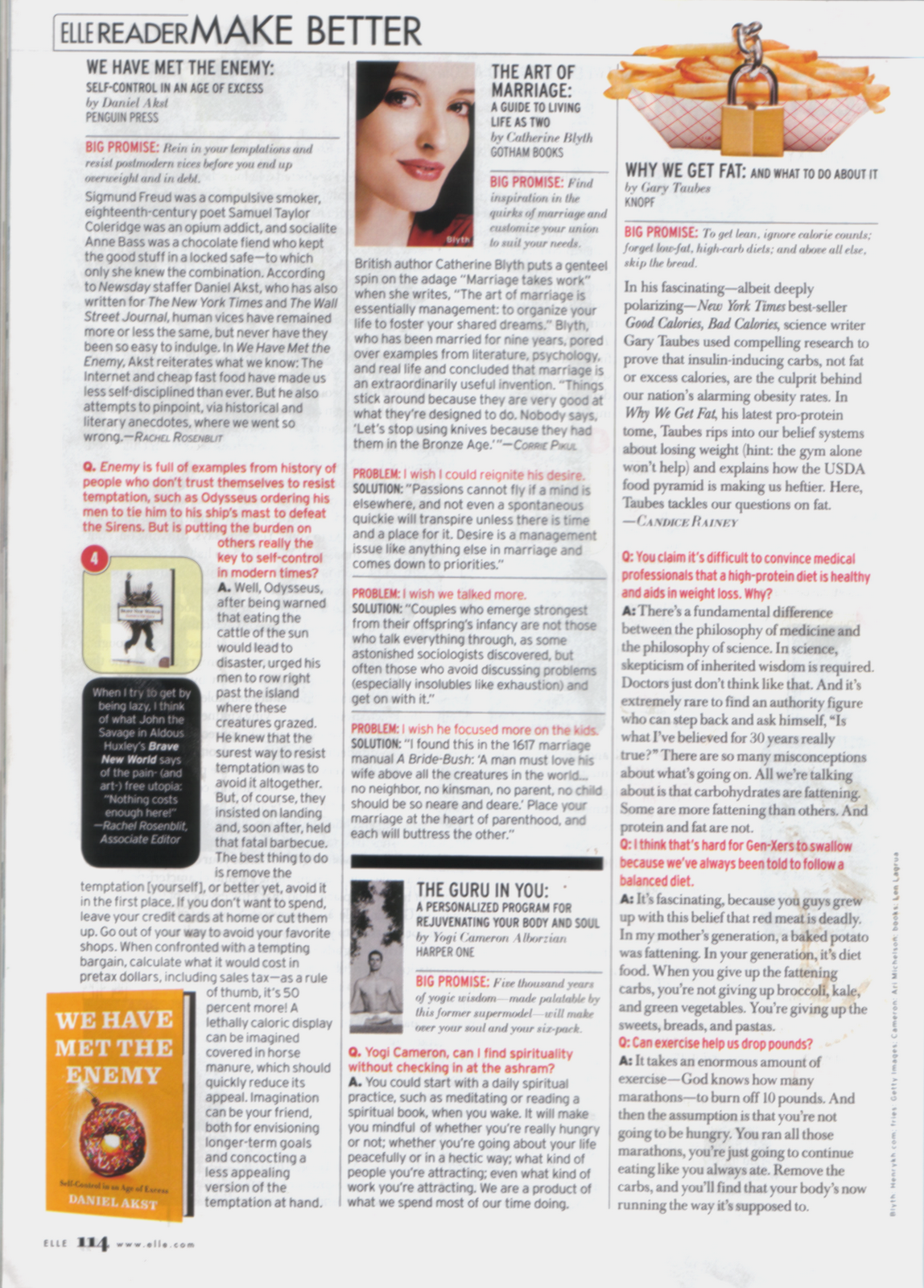
About creamed my pants again when I saw the latest January 2011 Elle magazine...

Featured 3 remarkable things:


1) WHY WE GET FAT by Gary Taubes on the front cover 'What Makes You Fat: how to change your body for good' (see below copyright violation) He describes frustration with medical professionals and the lack of skeptism among them for science (e.g. bad science). 'All we're talking about is that carbohydrates are fattening. Some are more fattening than others...'

2) SJP and her tight, marvelous ballet body [and rack]

3) Pamela Salzman, petite nutrition guru to the celebrities, and her cookfest in the Elle Living Food section. For optimal health she is advocating unrefined, hormone-free foods and shunning gluten, sugar and vegetable oils. Starkly WOW. Beverly Hills is cashing in on the paleo movement without calling it P to the A to the L to the E to the O.


Pantry Swap tips from Salzman's:

Out: Harsh table salt
In: Moderate amounts of mineral-rich unrefined salts -- Celtic, Himalayan, or Maldon -- can be healing.

Out: Overprocessed oils such as corn, canola, and soybean
In: Cold-pressed olive, COCONUT, and sesame oils; they boost immunity

Out: Too much gluten-laden wheat, spelt, rye, and barley
In: Brown rice, quinoa, millet, amaranth, legumes, sweet potatoes, and corn

Out: Mass-produced, hormone-riddled animal meat
In: Happier animals raised in their natural environments; find sources at localharvest.org


Image courtesy of Elle

Monday, December 27, 2010

Walter Willett: Do 2 Wrongs Make a Right?

Do 2 wrongs make a right?


Toast to the Scumbags
Kanye feat. Pusha T
Courtesy Youtube.com


It is often funny all the things that so-called brilliant Harvard chairpeople say... Dr. Willett MD **like me** studied 'conventional' food science as an undergrad (him, Michigan State; me, UC Berkeley). I would guess that both our studies taught us nothing except he didn't get the low-fat agenda because that was prior to 1977. At least I believe I learned how to read nutritional studies... or in other words learned how to read between the lines. Mmmhh... Willett?? I'm not certain he would recognize 'bad science' since he is a premier epidemiologist... Is epidemiology a lost field?

That Paleo Guy aka Jamie Scott at his (newer) blog recently talked about Dr. Willett's apparent reversal on carbs when he was quoted in the LA Times HERE. I like Jamie's points of contention.

On one hand Dr. Willett defends tropical (fruit) saturated fats like coconut oil recognizing that 'coconut oil has a powerful HDL-boosting effect' (see HERE Harvard letter response #3) yet in half of an instant later he proposes that we 'fatten up our diets' to 40% with [HDL-lowering] PUFAs and monounsaturated oils like soybean, corn and canola and VEHEMENTLY eschews saturated fats to no more than a threshold level of maximum 8% daily. He's a strong proponent of replacing 5% of carbs with more PUFAs like corn, sun, soy, safflower oils and trans-fat free M-A-R-G-A-R-I-N-E. Yes. Lowering carbs will raise HDL. PUFAs on the other hand raise inflammatory and blood thickening markers and LOWER HDL-cholesterol levels. Omega-6 veggie oils are associated with death, all-cause mortality, cancer, infertility, obesity and chronic disease in epidemiology studies (if you are into those).


Eh? OMG Margarine isn't food!!! Even my children can tell you that.

COG DISSONANCE?

Let's blow up his pyramid which he describes in both Harvard literature and in his book 'Eat, Drink, and Be Healthy.' The pyramid on the L-side is from GILLIAN, a paleo blogger; the R-side, Dr. Willett, his book and Harvard propaganda. See below.

[Edit: credits, fixed grudgepudge -- Thank you gilliebean and Sean]


What do you notice?

Things I did enjoy, admittedly, about the Willett The Healthy Eating Pyramid:
--inclusion of alcohol (yes, and not for everyone)
--inclusion of micronutrients and vitamin D supplementation
--daily play and exercise as the base and foundation of good health
--sparing use of sweets, candy, sugar
--mod to heavy use of fish, poultry, eggs (for CHOLESTEROL, CHOLESTEROL, CHOLESTEROL, taurine, omega-3, choline, B-vits, iodine, selenium, minerals, other vital nutrients)


What I vehemently disagree with and that the scientific evidence backs up:
--lack of saturated fats and the brain building block, cholesterol
--lack of saturated fat sources which contain CLA, vitamin A, carotenoids, vitamin D, stigmasterol, and vitamin K2 (e.g. organ meats, red meat, fermented dairy, palm oil, etc)
--lack of saturated fats which raise HDLs and support the nervous and immune systems
--lack of red meat which our carnivore-like hunter-gatherer forebears thrived on
--excessive use of industrial mono- and polyunsaturated fats ('X' WRONG) which are industrial, overheated, over-solvented, pesticide-ridden crop byproducts
--reliance on whole-disease-inducing, gut-dysbiosing, phytate-, lectin-toxic grains ('X' WRONG)


In an article titled Time to Fatten Up Our Diet (Sept 2007), Dr. Willett advocates a higher fat diet of 40% with a maximum 8% saturated, leaving the rest monoun- and poly- (therefore I'd guestimate ~16% and ~16% respectively). WTF 16% OMEGA-6 POLYUNSATURATED FATTY ACIDS?? I'd consider max 4-6%/day and mostly omega-3s ALA EPA DHA.


Other resources:

o Epidemiological studies (which I don't like but hey here they are here):

--Higher omega-6 associated with insulin resistance in ACS, omega-3 better HOMA (insulin resistance)

--Higher omega-6 associated with more mental retardation

--Rural Okayama women: in city girls higher omega-6 (lower omega-3) associated with lower HDLs compared with rural women


o Prospective human clinical trials (good studies -- macronutrients carbs and protein held generally constant unless noted):

--n=41 healthy men and women: higher dietary omega-6 oils lower HDLs dramatically, saturated fat raises HDLs (see table 3)

--n=10 septic shock patients in the ICU: n-6 lipid infusion impaired and worsened neutrophil function compared with n-3 lipid infusions. Not good in non-septic individuals either...

--n=26 healthy men: increasing omega-6 (linoleic acid, LA) increases CRP and IL-6 (inflammatory markers) though not statistically significant this time. Raising dietary omega-6 also lowers omega-3 RBC EPA levels (e.g. this is a BAD thing). The high n-6 diet produces the lowest protective HDL2 subfractions compared with n-3 and saturated fat. See table 3, 2nd column is I believe n-6 diet. HDL2 are the large, fluffy HDLs and most disease-protective 'good cholesterol' subfraction. Raising HDL2 is always good (unless it's a drug like the lethal torcetrapib and its cousins). The high saturated fat diet produced the lowest Lp(a) and von Willebrand factor (pro-inflammatory) levels. Omega-3 specifically raises HDL2.

--n=11 healthy men: @constant calories, low fat diet v. high fat raised VLDL and Triglycerides HERE. Low fat however did lowered omega-6 (LA) blood levels which may be the only perceived benefit if you discount the negative consequences (higher sdLDL and Trigs).

--n=58 healthy men and women: high n-6 diet (12.7% sunflower oil) produces the lowest HDL2 subfraction (p < 0.05). Wheras, baseline high saturated fat (19.3%) diet produces the best, highest HDLs. Isn't that a surprise. Authors conclusions [LOVE THIS] 'Both diets [15.1% mono-/rapeseed and 12.7% polyunsaturated/sunflower] lowered the level of HDL cholesterol in men but not in women.' *haa aha!* Sunflower oil will kill men faster than women! These authors are advanced. They also measured stigmasterol dietary content (see Table 2). Yes rapeseed contains stigmasterol. However. I'd prefer to obtain my stigmasterol pre-digested from grass-fed, pastured bovine, porcine and poultry sources (ghee, meat, egg yolks, etc), thankyouverymuchyoudietaryMORONS. See WAPF about stigmasterol=Wulzen Factor: the skinny on fats.

--n=15 Free living, college female students: both mutant soybean and commercial soybean oil diets significantly diminished HDLs compared with coconut oil in 3wk staggered feedings. 35% fat diet; did carbs go down? I dunno can't tell from the abstract. Trigs did so I suspect so. High fat usually translates to lower carbs (which should RAISE HDLs unless you are pounding soybean oil at 10% of dietary energy wtf).


o Good Calories, Bad Calories by G. Taubes -- description of Harvard, a playing field for the stalwarts of the low saturated fat dogma-drama that began with Ancel Keys (and his falsification/omission of critical data) and continuing with Harv-tard Dr. Frederick J. Stare MD, whose bed partners included all the big, refined, processed food industry leaders and lobbyists (Nabisco, Kellogg, etc).

o Interview by Taubes of Walter Willett for ScienceWatch

o Prior animal pharm in support of saturated fats from animals and tropical oils (hey our HDLs increased >> 100 mg/dl -- pharmaceuticals cannot compare) : Benefits of Sat Fats series