Saturday, October 13, 2012

Anti-Stress, Growth, Healing, Well-being and Oxytocin -- Recent Research and Hypotheses


View from a walking 
path in Century Park
Shanghai, China


Hunter's Trance Link to Oxytocin?
'He [Edward O. Wilson, Harvard evolutionary biologist] called this state the “hunter’s trance”, connecting it to the anecdotal reports of many hunters and argued that the ability to enter such a trance is connected to humans’ enormous evolutionary success.  When they left the forest for a life on the savannah, hominids who entered the “hunter’s trance”  were able to learn the habits of carnivorous predators as well as the animals they hunted.  Those who didn’t have the ability were most likely to get eaten...

Enter oxytocin, a hormone best known for starting childbirth and inducing lactation.  It turns out that it does a lot more than that.  It is secreted at the base of the brain, in the hypothalamus, and the entire nervous system is sensitive to its effects.  Oxytocin production is stimulated by estrogen, but it is not a female-only hormone, because men produce it as well.

Oxytocin lowers the heart rate and blood pressure, quiets the brain’s fear centers, and suppresses the production of stress hormones.  Childbirth begins with a flood of oxytocin that contracts the uterus and stimulates milk production.  Nursing stimulates the production of more oxytocin, as does the sight or sound of the baby.  New mothers will even produce oxytocin at the mention of their baby’s name or upon seeing a photograph.  It’s oxytocin that puts new mothers in the brain-addled state that allows them to spend hours gazing at their babies, finding new and fascinating details in their faces and tiny bodies.  The equivalent of a “hunter’s trance” in the mother ensures survival for the otherwise helpless infant.'
Author /Blogger Nancy Casey


Chillout Music Love Chapter 2
Credit: Youtube.com
Scenes of beautiful natural scenery, goddesses 
and other gorgeous creatures of Mexico


Biophilia, 'Lover of Life'

E.O. Wilson the Harvard evolutionary biologist has written and spoken about many topics in regards to our evolutionary past and misalignments with the modern age (de-forestation, insufficient exploration of our natural world, excessive wheat and grain fields replacing natural habitats, etc). One topic I like a lot is based on a term that he coined biophilia, 'lover of life' because this type philosophy sums up a lot of my current thoughts on modern pharmaceuticals and the problems with the entrenched disease-model which tries to match a  (drug, synthetic toxin) to every symptom on a growing list of symptoms modern men and women inevitably accrue with the reliance on perhaps what is an unnatural human diet and lifestyle (consistent stressors, refined grains, GMO crop products, neurotoxins, EDCs, environmental pollution).  For every little sniffle, cough or stomach ailment, a conventionally-trained practitioner will happily prescribe antibiotics without reserve.  With each new study on the gut, immunology and their connections to health, it verifies to me that antibiotics are indeed fulfilling their definition... anti-life or against-life. Antibiotics eradicate both the good and bad bacterial species, leaving the few, hardier pathogenic yeast and bacteria species to thrive in cleared out niches -- to putrify and overgrow in the small (SIBO) and large intestines.. Naturally they can  fester in the other orifices and compartments (e.g. sinus cavities, v*gina cavities, oral cavities, etc) and/or translocate to internal organs. Worse, the 'good' microbiota may never ever be restored or replaced according to some new data, despite even use either of probiotics and fecal transplants.  Pandemic food allergies, skin conditions, chronic illnesses, autism and autoimmune diseases continue to expand despite so-called advances in pharmaceutical medical care.  Probiotics, PRO-LIFE, are great and pro-biotic foods are even better (dirt-containing, traditionally prepared fermented vegetables, meat, seafood, fowl (kiviak), kopi luwak, beans, buckwheat, dairy, etc).


Root Transplant:  Ex-Pat Living in Shanghai, China

We've lived now in Shanghai for one year after moving from California and the transition was not smooth (for me; kids were only disgruntled for a few months).  Displacement was a humongous stressor and I went straight into adrenal dysfunction for 6 long weeks which I've written about earlier: ADRENALS ONE AND TWO.  When you tend to be 'rigid' I think it takes quite a bit longer to adapt and figure out the terrain... Do you how a gardener can improve success of transplanting a plant by dusting  powdered GA (gibberillic acid) on the roots prior to transferring?  Before coming here, I wish I had me some magic rooting dust...

Anyway after having the f-cking sh-t kicked out of my mojo, life turned around, this January when we came back. I actually tremendously missed our new space, friends and our adventures.  Subsequently, I became busy whilst tending to the new root system... resuming and enjoying a transformed life (China stuff... family activities, reading, expat friends, working out, cooking, yoga, tai chi, kickboxing, sprint tri's). 

Sorry for the absence on the blog! I did really miss it...


Oxytocin: You don't have any when you are depressed

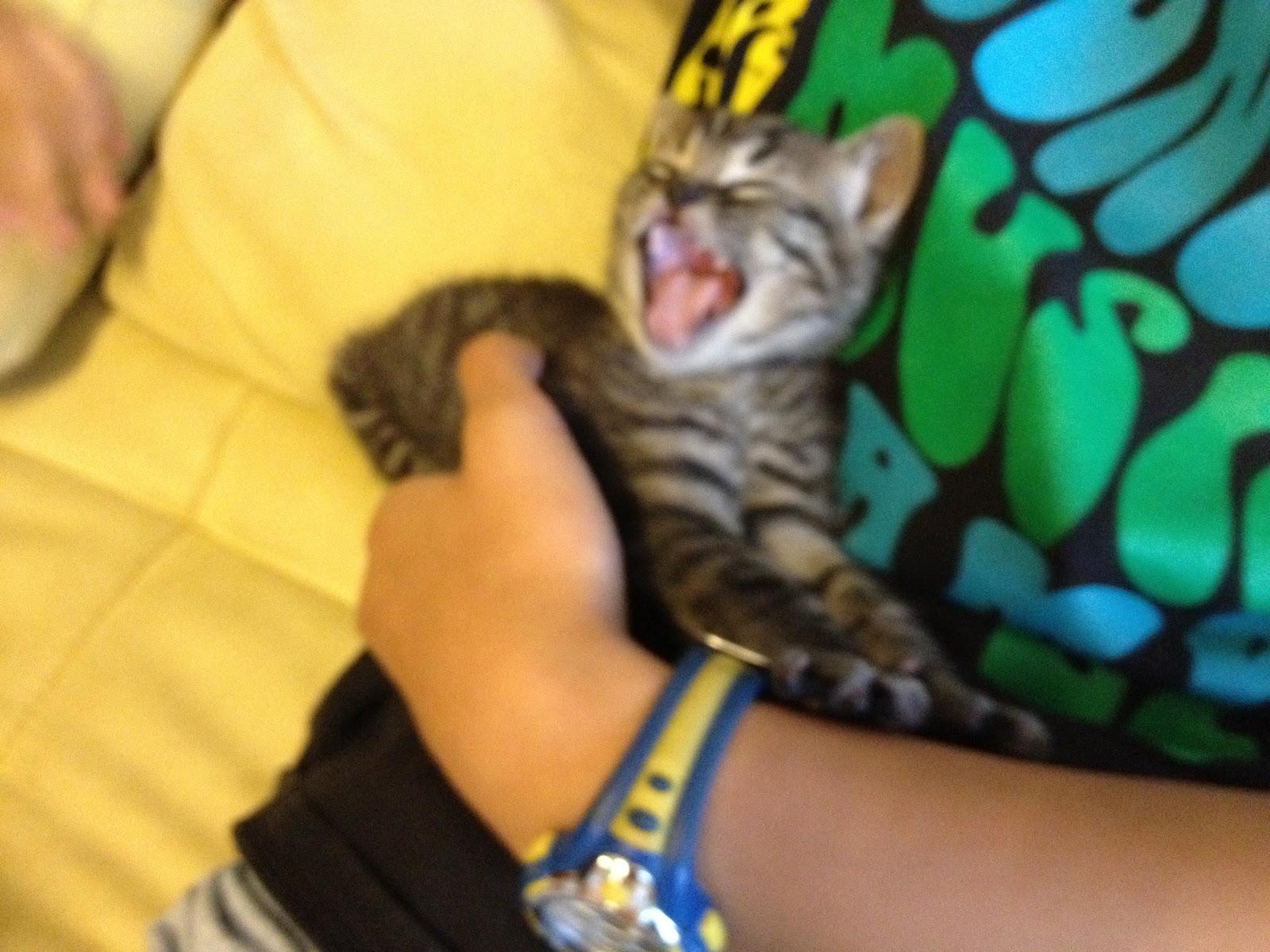
In my little n=1 self experiment I can probably attribute a couple of super vital things that factored into re-establishing allostasis.  Last fall my children brought back a high maintenance kitten Angel.  She was about a few weeks old and had to be hand-fed every 2-3 hours. I believe she raised my oxytocin.   We had to give her up to a foster home eventually due to anaphylactic like allergy reactions that my daughter ('N') used to have (instant asthma, face and eye swelling). However, this past spring my children surprisingly appeared to have grown out of most of their cat dander allergies, a discovery made after fostering 'Sylvia/Seal', another kitten!  Melissa McEwen (Hunt Gather Love) told me a reassuring story once how she had overcome cat dander allergies after her gut was healed.  I believe we all enjoyed better gut health, gradually since the Paleo diet, and for 'N' it was possibly related to how 'N' lost the last of her molars which were riddled with mercury amalgam (we are all mercury-free now).  One of their classmates found a box of kittens that was left by their international school in March, and guess what? Yes. They brought them (all) home. And raised my OXYTOCIN  ;)  *haa ahaaha*  

They fostered two kittens initially from the remaining litter. After two nights of round the clock feeding, as well-intentioned as they were, they could NOT for their life wake up to syringe- and bottle-feed on schedule).  My oldest daughter found a home for one kitten after about one week and continued to provide excellent alloparenting of the second one, 'Sylvia/Seal'... See end for photoalbum...

Oxytocin is low in many chronically ill conditions according to studies (chronic pain, depression, autism, schizophrenia, surgically menopausal rodents with heart disease).  Certain factors (sometimes at certain developmental stages) inhibit oxytocin production: touch deprivation, chronic pain, alcoholism, female estrogen deficiency.  

Many factors can influence and positively affect oxytocin secretion... exercise (even in surgically menopausal rodents with heart disease; in humans any kind works but perhaps not until exhaustion), yoga, positive social contact, sex/climax, massage, having an attached pet gazing at you (see refs), you gazing at an attached pet, baby-at-your-boob, etc. 

What are the effects of oxytocin per recent evidence [cute, source: myhealthnewsdaily.com]?

11. Oxytocin promotes attachment
10. Oxytocin solidifies relationships
9.  Oxytocin eases stress
8.  Oxytocin crystallizes emotional memories
7. Oxytocin facilitates birth and breastmilk
6. Oxytocin boosts sexual arousal (may even revive dead  d*cks and v*ginas)
5. Oxytocin decreases drug abuse and cravings (alcohol, cocaine, narcotics, ecstasy, meth, cannabis, ??FOOD??!)
4. Oxytocin improves social skills
3. Oxytocin triggers protective instincts
2. Oxytocin induces sleep
1. Oxytocin fosters generosity


Animals Release Oxytocin from Everywhere

Oxytocin an ancient neuropeptide conserved across the animal kingdom. It is released and targets every important organ and site for the important processes: living, love, rest, digestion, immunity and reproduction. Emerging data that one of the target organs for oxytocin release and modulation is the gut and integrity of the intestinal lining which I think has great implications for resolving health issues and optimizing health. Any model for intestinal permeability uses a major stressor (physiological, pathological, pharmacological, psychological) on the experimental animal such as LPS (toxin from a microbial outer membrane), acid, large dose n-6 pufa, mercury, exercise stress, heat stress, physical isolation (particularly extended separation of babies from their mother). What occurs? Immediate and irrevocable micro and macroperforation (ulcers) of the gut.


Did you give and get your hugs today (including e-hugs)? Have you stroked your beloved feline or canine or children or neglected significant other? That's good...  According to prolific oxytocin researchers Peterssen and Uvnäs-Moberg, oxytocin is not only extensively interconnected to the cortisol, noradrenaline and several neurotransmitter systems to produce long-term effects but may be highly correlated to resilience to stress, growth, healing and well-being.


References


Nagasawa M, Kikusui T, Onaka T, Ohta M.
Horm Behav. 2009 Mar;55(3):434-41


Olausson H, Uvnäs-Moberg K, Sohlström A.
Am J Physiol Endocrinol Metab. 2003 Mar;284(3):E475-80.


Magon N, Kalra S.
Indian J Endocrinol Metab. 2011 Sep;15 Suppl 3:S156-61.


Ishak WW, Berman DS, Peters A.
J Sex Med. 2008 Apr;5(4):1022-4. 

Jonasson AF, Edwall L, Uvnäs-Moberg K.
Menopause Int. 2011 Dec;17(4):120-5.


Chicharro JL, Hoyos J, Bandrés F, Gómez Gallego F, Pérez M, Lucía A.
Horm Res. 2001;55(3):155-9.


Hew-Butler T, Noakes TD, Soldin SJ, Verbalis JG.
Eur J Endocrinol. 2008 Dec;159(6):729-37.


Oxytocin and social motivation.
Gordon I, Martin C, Feldman R, Leckman JF.
Dev Cogn Neurosci. 2011 Oct;1(4):471-93. 

Uvnas-Moberg K, Petersson M.
Z Psychosom Med Psychother. 2005;51(1):57-80. 


Photoalbum: Our Oxytocin-Inducers, the Kittens We Fostered


 'Twix' (Day 3-7?)... Alloparented (by 'N') for one week 
before finding a permanent home


Twix's sister, 'Sylvia/Seal' (Day 5-7?)
Look at those LETHAL KITTY CLAWS
Alloparented for nearly 7 weeks


Initially, bottlefed for a few weeks. Later we
weaned her onto softened 
paleo/ancestral food (Orijens),
raw egg yolks, pork belly,
and occasional chicken liver bits


Bottle fed every 3 hours, pooped-pee'd every 3 hours, 
loved, gazed at and stroked EVERY WAKING MINUTE ;)


Seal/Sylvia (4-5 wks old) on right... 
Another feline Xiao Bai (Little White, left) rescued by
my neighbor who found him in a box at Century Park
whilst walking her dog. We get to babysit catsit Xiao Bai
when she's out of town on business.

Tuesday, October 9, 2012

Random Thoughts on Migraine Headaches, Oxytocin, and Mind-Reading


Migraine Headache Syndrome

Definition: 'A migraine is a throbbing, unilateral headache that is 
often associated with nausea, vomiting, photophobia, or an aura
~i.e., a transient disturbance of vision or of various aspects
of neurological function. More than 10% of Americans
suffer from migraines, with the prevalence in women
being about 3 times that in men. The cause of migraine is
not well understood, although it is thought to be due in
part to vasoconstriction followed by reactive vasodilatation.'
Nutritional Medicine textbook, Ch 136, Dr. Alan Gaby MD


Disclosure -- I'm not afflicted by headaches often (unless my child flunks a math quiz) and, never, migraines, yet I've met a ton of people with migraines. Many of my friends experience migraines or used to (half of my favorite gal pals and guy friends). Certain phenotypic characteristics and 'gifts' are inescapable IMHO that I have observed in these individuals: extreme intuition, sometimes clairvoyance, approachability, and super-powered senses (smell, sound, sight, sensory stimuli, barometric pressure, mind-reading).  Additionally, migraineur patients, acquaintances and friends have told me that random people just enjoy blindly going up to them and spilling their entire life stories.  (No one does that to me) I think that is notable.  What do you think of your migraineur family or friends?  I'd like to hear other perspectives on this...

These pals who suffer headaches are special to me. They read my mind and I don't need to talk or articulate...wish I could marry them (...just kidding).  Some I speak to rarely like Patrik V. who runs Paleohacks.com, yet before he has said things and I'll think 'wtf exit my head.'  When some paleo friends first convened, he reported that he had once suffered incapacitating migraine headaches since age six (hiding under tables whilst his mother couldn't find him for hours) until he serendipitously discovered the headache-banishing benefits of the grain-free and dairy-free paleo diet. That's a common story in paleo-land.

Migraine headaches are a P-A-I-N and that is a distinct understatement if you talk to any patient who suffers from migraines which are described as debilitating to the point of impairing function leading to lost quality of life and days of work, family, and leisure time. 

Takano and Nedergaard (see above photo) describe a migraine headache as a sweeping change in electrical depolarization across the brain which is followed by an extended period of neural torpor or suppression. They call it cortical spreading depression (CSD), stating 'Written accounts of migraine are nearly as old as writing itself. Descriptions of headaches, dating to roughly 3000 BCE, have been found in the ruins of the ancient Sumerian civilization.' Perhaps like narrow jaws, occclusions, and tight dental arches (per Weston A. Price), mass migraines and brain pain initiated with the advent of agriculture and the ubiquitous introduction of refined grain carbohydrates into the prehistoric human hunter-gatherer diet?  Perhaps migraineurs have indeed a set of gifts that were naturally selected for despite the outstanding pain and discomfort? 


Evolutionary Advantage of Migraine Headaches?

Harvard neurology professor Loder wrote a Cephalalgia review and presentation 'Migraineur in the Interictus' suggesting evolutionary benefits of the development of the characteristics seen in migraineurs.  Highly responsive nervous systems that detect sensory stimuli at low inputs definitely would be traits worthy of evolutionary selection and retention in the progress of human civilization.  'Hearing the approach of enemies, being eaten by a saber-tooth tiger or detecting or avoiding spoiled or adulterated food' might have been compelling pressures that were affected by the communication of low or nearly negligible levels of sensory information in the environment, plants, people, animals and other living creatures. 


Ancient Treatment for Migraine Headaches: Hole(s) in the Head, Trepanation

In ancient times, it is hypothesized that headaches and migraines were treated with trepanation (boring a hole or holes into skull to release the pressure and pulsation). If I had severe head pain I'd seriously consider but, yeah, I need a hole in my head like a new Jimmy Choo fake purse!  Several lines of evidence relating to archaeological remains report that clinical outcomes and survival were astonishingly decent:  HERE.


Photo credit: Asylum Science


Our Brains are Still Evolving

I'd wildly speculate that the ancestors of individuals with migraines had unique abilities which allowed them to thrive in certain conditions requiring sensitivity to environmental changes and influence in group cooperation, gaining trust, tight social networks and perhaps weather/storm predictions.  In is not a coincidence that the individuals with migraines (if not completely unfunctional) are frequently leaders in their little (or big) so-called tribal units, in my shallow awareness.  NY Times science writer Nicholas Wade wrote in The Twists and the Turns of History, Our DNA, 'The political scientist Francis Fukuyama has distinguished between high-trust and low-trust societies, arguing that trust is a basis for prosperity. Since his 1995 book on the subject, researchers have found that oxytocin, a chemical active in the brain, increases the level of trust, at least in psychological experiments. Oxytocin levels are known to be under genetic control in other mammals like voles.' He has written quite a bit more extensively that our sapien brains grew in size for the machinery necessary to handle intricate, complicated and peaceful social complexity.


Super Perception, e.g. Mind Reading

Many new studies highlight the salient features of oxytocin for perception, feedback, empathetic accuracy and affiliation reward reinforcement. Two recent human controlled trials showed a demonstrated increased gaze focus and the ability to visually read and interpret facial emotional cues after oxytocin administration (some authors called it mind reading). From  sciencedaily.com one of the researchers Lerknes explained "We found that oxytocin intensified test subjects' awareness of the emotions present in the photos. Faces expressing anger stood out as angrier and less happy, and correspondingly, faces expressing happiness were happier."  Graded results occurred -- "It turns out that those with the lowest aptitude for judging emotional expression properly -- that is, those with the poorest scores during the saltwater round -- were the ones who showed the greatest improvement using oxytocin."

Author Nancy Casey hypothesizes in a post 'Oxytocin Gaze' that human hunters emulated carnivorous predators in their meticulous gaze and visual assimilation of the terrain. She posits that the same gaze that is possibly related to oxytocin which maybe employed by mothers in surveying and tracking their newborn babies, meeting their needs, and ensuring their survival in the face of vast helplessness and under-maturity.


Modern Conventionally-Schooled Medical Treatment of Migraines:  Overwhelmingly Uneffective

One out of every six women experiences migraine headaches of some form in America. The population prevalence is 11.7% and comparatively higher than the insane diabetes epidemic in adult Americans (11.3%, 2011 data). Migraine headaches are no small statistic.  With a wide gender divide, women have triple (17.1%) the incidence as men (5.6%).  It's also no coincidence women have more oxytocin than men as well; for us it can regulate love, lust, labor, lactation, and maternal caregiving.  

Funny thing is that if migraineurs have mega mindfulness and their oxytocin is messed up by being either super fluctuating high/low or inappropriately inconsistent or unstable levels  (like blood glucoses in the reactive hypoglycemia model), then it may explain why oxytocin given as a I.V. drug it was 100% successful in halting immediately two cases of refractory migraines seen in an ER unit and in a prospective human study where oxytocin was provided (intranasally, ya know, like cocaine) by Yeomans and Jacobs, Stanford pain researchers, to refractory patients was associated with halting 50% of migraines and reducing 27% (total, 77% better) compared with 11% of placebo. 

My observations are that migraine prevalence and occurrence are unchanged despite great 'advances' in pharmacology (abortive triptans and preventive pharmaceuticals), diagnostic science and understanding of the physiology of this condition.  Like essential hypertension and the great majority of textbook medical conditions, the underlying pathophysiology are still elusive and undetermined, despite wonderful and fantastic fMRI and genetic sequencing techniques. A recent review confirms these considerations, the prevalence of migraines is still the same as 15 years; absolutely no improvements despite the triptan class of medications (which can abort a migraine in 20-60 min 50-70s%, versus placebo 17-40%), preventive therapy (modification of neurotransmitters and vasculature; BP drugs, antidepressants, anti-epileptic drugs), and the standard 'migraine trigger avoidance diet' of avoiding the 5 C's (cheese chocolate coffee coke citrus).  Pharmaceuticals and ridiculous wheat-based diets fail long-term.


What Does Work Long-Term for Migraines: Paleo/Oligo-Antigenic Diet (OAD)

Some of oxytocin's target organ sites include the brain, the gut and thymus. All are organs responsible for the enormous function of homeostasis, immunity and controlling inflammation. It is no wonder that the brain cannot function optimally in isolation from the gut, and no wonder at all that all things that promote healing of the gut can improve migraine headache prevention and amelioration.  

The medical literature from the last 30-80 years in fact identifies wheat (78% Grant, Lancet 1979), cow milk (37%), other cereals, cane sugar, yeast, corn, citrus, and eggs as top migraine-inducing factors.  Identification and elimination of food antigens is key to healing the gut. Sealing of the damage and microperforations by altering intestinal permeability is secondary and vital.  The paleo/ancestral diet and oligo-antigenic diets maybe best with focus on individual susceptibilities and immuno-endocrine optimization. Similar to the results obtained by Frasetto et al in their 10-day paleo experiment for reversal of pre-clinical hypertension in overweight patients, the researcher Grant (Lancet, 1979) in a seminal study looked 60 migraineurs with food antigen immunoreactivity. After only 5-days of an elimination diet (pseudo paleo) she reported 'When an average of ten common foods were avoided there was a dramatic fall in the number of headaches per month, 85% of patients becoming headache-free. The 25% of patients with hypertension became normotensive.'

Dealing with circulating antigen-antibody and immune complexes that are formed in the body when food antigens and microbial peptides (cell walls, DNA, cellular contents, junk) interact with immune system may help permanently to achieve and to maintain disease resolution, I believe. Two recently published human RCTs (Aplay et al and Mitchell et al) showed that by eliminating foods linked to high food-antigen related immune globulin IgG titers, an association for statistically significant reductions in migraine headaches occurred at 6 weeks and 4 weeks, respectively.  Heal...Seal...Deal...


References

Takahiro Takano, Maiken Nedergaard
J Clin Invest. 2009 January 5; 119(1): 16–19. 

What is the evolutionary advantage of migraine?  [Free PDF CLICK]
Loder E.
Cephalalgia. 2002 Oct;22(8):624-32. Review.

http://www.hcop.com/PDF/Migraineur%20in%20the%20Interictus%20-%20Loder.pdf [Elizabeth Loder MD]


Marcelo C. A. Rodrigues et al.
Front Hum Neurosci. 2012; 6: 207. 

http://www.nytimes.com/2006/03/12/weekinreview/12wade.html?_r=1&pagewanted=print [Nicholas Wade]


Leknes S, Wessberg J, Ellingsen DM, Chelnokova O, Olausson H, Laeng B.
Soc Cogn Affect Neurosci. 2012 Jun 29.

Oxytocin improves "mind-reading" in humans.  [Free PDF CLICK]
Domes G, Heinrichs M, Michel A, Berger C, Herpertz SC.
Biol Psychiatry. 2007 Mar 15;61(6):731-3. 

Associations between the oxytocin receptor gene (OXTR) and "mind-reading" in humans-An exploratory study.
Lucht MJ, Barnow S, Sonnenfeld C, Ulrich I, Grabe HJ, Schroeder W, Völzke H, Freyberger HJ, John U, Herrmann FH, Kroemer H, Rosskopf D.
Nord J Psychiatry. 2012 Jul 19. 


Lipton RB, Bigal ME, Diamond M, Freitag F, Reed ML, Stewart WF; AMPP Advisory Group.
Neurology. 2007 Jan 30;68(5):343-9.

Phillips WJ, Ostrovsky O, Galli RL, Dickey S.
J Pain Palliat Care Pharmacother. 2006;20(3):25-8.

Yeomans DC, Manering N, Pascual C, Angst MS, Jacobs D, Mechanic J, Jacobs A, 
Qiao Y, Winkle C, Frey W. Nasal Oxytocin for Head Pain. 13th World Congress on 
Pain, 2010.

Yeomans DC, Pascual CR, Jacobs A, Angst MS, Jacobs D, Winkle CC, Frey WH. 
Intranasal Oxytocin for Craniofacial Pain. Annual Meeting of the Society for 
Neuroscience, 2009.

An Integrative Model of Migraine Based on Intestinal Etiology
David McMillin, MA
http://www.meridianinstitute.com/reports/headache/Appendix%20D.pdf

http://www.drcordas.com/education/Headaches/1doc.pdf  [Oligo-Antigenic Diet abstracts]

http://www.nutramed.com/kidney/nephritis_foodallergy.htm  [Benefits of binding immune complexes or OAD abstracts]

Food allergies and migraine.
Grant EC.
Lancet. 1979 May 5;1(8123):966-9.

Pascual J, Oterino A.
Cephalalgia. 2010 Jul;30(7):777-9.  


Levinsky RJ.
J Clin Pathol. 1981 Nov;34(11):1214-22.


Alpay K, Ertas M, Orhan EK, Ustay DK, Lieners C, Baykan B.
Cephalalgia. 2010 Jul;30(7):829-37. 

Randomised controlled trial of food elimination diet based on IgG antibodies for the prevention ofmigraine like headaches.
Mitchell N, Hewitt CE, Jayakody S, Islam M, Adamson J, Watt I, Torgerson DJ.
Nutr J. 2011 Aug 11;10:85.

Sunday, October 7, 2012

Insulin and The Paleo-Ancestral Diet: Frassetto et al 10-Day Study


This site is all about evolutionary changes, health from the ancient/paleo perspective, and how our genes are imprinted to adapt and survive (whether we want to or not).


Role of Hyperinsulinemia = ENERGY DIES

Chronically high insulin (from high refined carbs, from gluten/food-stressors, hypothyroidism, low progesterone, adrenal dysfunction, metal toxicity, endocrine disruptors, etc) raises insulin resistance in our organs which can lead to increased small dense LDL, high TG and low HDLs. A cascade of further hormone changes and vascular adjustments occurs. Vascular blood pressure may increase. Pre-clinical hypertension can develop and eventually atherosclerosis ('scarring' in affected vessels) and diabetes (inappropriate and chronically elevated blood glucoses). Later, the natural progression of this hormonal storm of insulin dysfunction includes diabetes complications or target organs (kidney, eye, nerve damage), heart failure and heart events (revascularization surgery, heart attack, angina, sudden death, bypass and/or stent placements).


Keep The Insulin Low

Lamarche B et al wrote an editorial in 1996 (see Ref 1) and NEJM (N Engl J Med. 1996 Apr 11;334(15):952-7.) and wrote that the higher quintiles of insulin were highly associated with higher rates of atherosclerosis and heart events in the Quebec Cardiovascular trial. 67 pmol/L (= 9.3 mIU/L) was used as odds ratio = 1.0 (it's still high IMHO; goal = 4 mIU/L in other words less than ~28 pmol/L). See above bar graph (Ref 1).

Convert pmol/L by dividing 7.175 for mIU/L. More about 'normal' fasting insulin HERE.

The Lamarche B et al state "For example, an 11-fold increase in ischaemic heart disease [IHD] risk was noted among men with both hyperinsulinaemia and elevated apo B levels, these two metabolic abnormalities being common among individuals with abdominal obesity, especially when associated with high levels of visceral (intra-abdominal) adipose tissue.


Visceral (Intra-Abdominal) Adipose Tissue

What is Visceral Adipose Tissue? Do you have any? I do. On my belly. In my head... from the ravages of the high carb S.A.D., high omega-6 intoxification, high trans-fat/F*CK-TOSE intake from my childhood/teens/early-20s-30s (OK. a long time, most of my life), sedentary lifestyle, undiagnosed Hashimoto's autoimmune hypothyroidism, stress of LIFE, et cetera.


Fatty calcified livers (e.g. NASH, fatty liver, NAFLD, foie gras) ?

Fatty calcified atherosclerotic plaque?

Fatty calcified atherosclerotic plaque in arteries: Renal, Carotid, Coronary, Peripheral, PENILE (e.g. ***Erectile Dysfunction BABY -- you do not have a Viagra-deficiency) ?

Fatty calcified thyroids ?

Fatty calcified adrenal glands ?

Fatty calcified pineal glands (e.g. insomnia) ?

Fatty calcified pancreas glands (e.g. metabolic syndrome, diabetes) ?

Fatty calcified gallbladders (e.g. GERD, dyspepsia, heartburn, gas/bloating)?

Fatty calcified ovaries/ fallopian tubes/ fibroids/endometriosis/ PCOS?


Keep The Insulin Relatively LOW

Many benefits improve on lower carb Paleo/ancestral diets. Why? It works and best matches our DNA genetic expression.

Lamarche B et al in Quebec, Canada have elucidated a few things about insulin, e.g. chronically high insulin and insulin resistance (IR).

Insulin and IR are related to high TG, low HDL, and high dense LDL and high visceral fat and high belly circumferences.

MOREOVER... More morbidity. More mortality.


From their JAMA publication (see Ref 2 and below Table 2) they showed in the Quebec Cardiovascular trial that 3 factors are highly associated with death and cardiovascular events:

(1) elevated fasting INSULIN

(2) elevated TRIGLYCERIDES (because these reflect HIGH dietary carbohydrates and LOW essential saturated dietary and omega-3 polyunsaturated fatty acids)

(3) apoB, any amount sdLDL, high sdLDL (refers to 'small dense LDL' not total LDL -- total LDL is total CR*P and though the authors talk about total LDL here they correct and clarify themselves in Ref #3, 5, and 8; these French Canadian investigators are not full of cr*p)


Lamarche B et al Also Showed That...

Associated with coronary plaque in the French-Canadian Quebec Cardiovascular trial (see reference list):

--Ref 3: presence of sdLDL

--Ref 4: low HDL2, the 'good' large HDL particles which are highly associated with regression of disease (the higher, the better in normal bell-shaped curves)

--Ref 5: Beyond LDL... total-LDL is meaningless, only sdLDL really matters. Conventional cholesterol panels and LDL are CR*P. The lipoproteins need to be fractionated by size and buoyancy for a progressive,  accurate and sensitive reliable metric.

--Ref 6: visceral fat, it'll kill ya if exceeds a threshold

--Ref 7: high fibrinogen (which reflects high carbs, low n-3, low sat fat) + Lp(a) associated with DEATH and cardiovascular events

--Ref 8: 13 years later after the Quebec Cardiovascular STUDY... only thing that matters is sdLDL... the small dense LDL subfraction... related to death and cardiovascular events. Large LDL do not matter, the authors concluded. In fact many experts believe large buoyant LDL are anti-atherogenic and antioxidants. I highly agree. The larger, the PHATTER, the merrier.


Paleo Works. In Only Ten Days: Lynda Frassetto MD et al

Why is eating a (semi) unrefined, ancient-styled diet the way to go for reversal of chronic diseases and longevity? No simple answers but Paleo lowers chronic hyperinsulinemia. Frassetto et al at the University of California, San Francisco recently published a 10-day trial comparing metabolic changes and hypertension improvements on the paleolithic diet.

Paleo controls insulin better than Zone 40/30/30 and of course WAY way better than the S.A.D.

HOMA is a measurement of insulin resistance. Paleo (despite being high carb and low sat fat) achieved a 72% reduction in insulin resistance, HOMA (p=0.07). This was a high carb, low glycemic index with carbohydrates at ~~ 200 g/day diet. It was matched to the SAD diet. What an ingenius diet trial! Lower carb of course may be preferred for those with significant insulin resistance and fat-burning challenges. Higher sat fat, IDEAL in my opinion.

In this trial (see below Table 3), in terms of lipoproteins, Trigs were still high (e.g. excessive dietary carbs in the form of honey, pineapple, carrot juice, melon and excessive n-6 mayo) and HDLs still marginally suboptimal (e.g. saturated fat deficiency). HDLs often mirror the LDL particle size.


Lower carb high sat fat Paleo would have improved these parameters. See prior animal pharm posts:
Benefits of High Saturated Fat Diets: My Paleo PEEPS With High HDLs


The premise is to alter the neolithic, post-agriculture diet macronutrients and micronutrients (glycemic load, glycemic index, gluten, lectins/phytic acid, legumes and dairy). Amazing insulin changes happen.

Is this what our genes were designed for 2.5 million years to do? We don't live in a land of honey, sweets and fruit. We are meant to starve sporadically, lift heavy things occasionally, move intensely intermittently, relax daily, play, hug, make babies (umm.. do I need to elaborate?) and eat foods that our ancestors thrived on. Complying to the genetic programming and optimizing where the genes and genetic expression are screwed up will provide a reprieve in these neolithic times IMHO.

"CONCLUSIONS: Even short-term consumption [10 days worth] of a paleolithic type diet [no grains, no legumes, no dairy, low glycemic index, ALBEIT HIGH CARB matching the s.a.d. diet] improves BP and glucose tolerance, decreases insulin secretion, increases insulin sensitivity and improves lipid profiles without weight loss in healthy sedentary humans." [some were overweight UCSF medical school students]


UCSF Frassetto et al Shows Paleo Controls IR and Insulin

Compared with the 'usual diet' (e.g. standard American diet), the Paleolithic Hunter-Gatherer diets controlled insulin, HOMA (insulin resistance) better than the usual S.A.D. in overweight men and women ages 18+ years old. These results are nothing short of phenomenal in a Big Pharma-dominated medicine tradition. No drug replicates these results, especially in only 7-10 days. No drugs (except glandular, hormonal or omega-3 fish oil pharmaceuticals) are disease reversing; they serve only to band-aid and hide in my experience. In modern, conventionally-schooled medicine, no cause or pathophysiology is assigned to the disease known as hypertension. Apparently the role of insulin and refined dietary carbohydrates (or other endocrine disrupting factors) are not considered. Conventional weight loss, diet ('low fat') and exercise are always prescribed yet rarely in my observations is hypertension stopped or reversed by these means successfully and long-term. Why?


Previous blogosphere hits on Frassetto's seminal study:

--Dr. Mike Eades MD discussed HERE.

--Mark Sisson of Mark's Daily Apple HERE 

--Matt Metzgar recently discussed as well HERE.

--Even Lyle discussed briefly HERE.

--My bud master Chris @conditionresearch.com which is one website that lead to my rapid health reveral discusses naturally of course HERE.

--Dr. Briffa discussed HERE.

--My bud O Primitivo discusses HERE in Portuguese.

--And even Dr. Davis discusses HERE linking back to the inimitable, matchless Protein Power Dr. Mike Eades.


Aging and Insulin: EORS (Epigenetic Oxidative Redox Shift)

Aging and oncogenesis are related to insulin.

Brewer (Ref #10) has explained how aging is related to insulin and insulin resistance. What degrades mitochondrial efficiency?

In the modern Western diet (now currently imported globally to Europe and China along with Western diseases), high refined carbs, refined fructose, industrial pesticides, toxic heavy metals, and refined vegetable oils brimming with omega-6 PUFAs are the typical culprits adding to the insulin resistance and hyperinsulinemia burden. Chronically elevated blood insulin leads to an overall fattening effect which can calcify and harden the liver, the arteries, and many other organs (thyroid, adrenals, arteries, endothelium, vasculature, pancreas, gallbladder, brain etc).

Brewer describes "This metabolic shift is epigenetically enforced, as is insulin resistance to reduce mitochondrial turnover. The low mitochondrial capacity for efficient production of energy reinforces a downward spiral of more sedentary behavior leading to accelerated aging, increased organ failure with stress, impaired immune and vascular failures and brain aging. Several steps in the pathway are amenable to reversal for exit from the vicious cycle of EORS. Examples from our work in the aging rodent brain as well as other aging models are provided."

Low carbohydrate diet (15%) in rodents extends longevity and minimizes tumour growth compared with S.A.D. low fat, high carb diet. See Ref #12.

Resistance training reverses aging. See Ref #13. Burn baby burn.


References


1. Risk factors for ischaemic heart disease: is it time to measure insulin?
Després JP, Lamarche B, Mauriège P, Cantin B, Lupien PJ, Dagenais GR.
Eur Heart J. 1996 Oct;17(10):1453-4.

2. Fasting insulin and apolipoprotein B levels and low-density lipoprotein particle size as risk factors for ischemic heart disease.
Lamarche B, Tchernof A, Mauriège P, Cantin B, Dagenais GR, Lupien PJ, Després JP.
JAMA. 1998 Jun 24;279(24):1955-61.

3. Small, dense low-density lipoprotein particles as a predictor of the risk of ischemic heart disease in men. Prospective results from the Québec Cardiovascular Study.
Lamarche B, Tchernof A, Moorjani S, Cantin B, Dagenais GR, Lupien PJ, Després JP.
Circulation. 1997 Jan 7;95(1):69-75.

4. Associations of HDL2 and HDL3 subfractions with ischemic heart disease in men. Prospective results from the Québec Cardiovascular Study.
Lamarche B, Moorjani S, Cantin B, Dagenais GR, Lupien PJ, Després JP.
Arterioscler Thromb Vasc Biol. 1997 Jun;17(6):1098-105.

5. Atherosclerosis prevention for the next decade: risk assessment beyond low density lipoprotein cholesterol.
Lamarche B, Lewis GF.
Can J Cardiol. 1998 Jun;14(6):841-51. Review.

6. Visceral obesity and the risk of ischaemic heart disease: insights from the Québec Cardiovascular Study.
Lamarche B, Lemieux S, Dagenais GR, Després JP.
Growth Horm IGF Res. 1998 Apr;8 Suppl B:1-8. Review.

7. Is lipoprotein(a) an independent risk factor for ischemic heart disease in men? The Quebec Cardiovascular Study.
Cantin B, Gagnon F, Moorjani S, Després JP, Lamarche B, Lupien PJ, Dagenais GR.
J Am Coll Cardiol. 1998 Mar 1;31(3):519-25.

8. Low-density lipoprotein subfractions and the long-term risk of ischemic heart disease in men: 13-year follow-up data from the Québec Cardiovascular Study.
St-Pierre AC, Cantin B, Dagenais GR, Mauriège P, Bernard PM, Després JP, Lamarche B.
Arterioscler Thromb Vasc Biol. 2005 Mar;25(3):553-9.

9. Metabolic and physiologic improvements from consuming a paleolithic, hunter-gatherer type diet. [Free PDF CLICK]
Frassetto LA, Schloetter M, Mietus-Synder M, Morris RC Jr, Sebastian A.
Eur J Clin Nutr. 2009 Aug;63(8):947-55. Epub 2009 Feb 11.

10. Epigenetic oxidative redox shift (EORS) theory of aging unifies the free radical and insulin signaling theories.
Brewer GJ.
Exp Gerontol. 2009 Nov 26.

12. A low carbohydrate, high protein diet slows tumor growth and prevents cancer initiation.
Ho VW, Leung K, Hsu A, Luk B, Lai J, Shen SY, Minchinton AI, Waterhouse D, Bally MB, Lin W, Nelson BH, Sly LM, Krystal G.
Cancer Res. 2011 Jul 1;71(13):4484-93.

13.  Resistance exercise reverses aging in human skeletal muscle.
Melov S, Tarnopolsky MA, Beckman K, Felkey K, Hubbard A.
PLoS One. 2007 May 2;2(5):e465.

[Revised from my Nephropal blogpost]