Showing posts with label Gluten-Free (G-Free). Show all posts

Wednesday, March 4, 2015

Gut Guardians Podcast: Episode 15 – Gut Healing w Robin Treasure

Gut Guardians Podcast: Episode 15 – Gut Healing w Robin Treasure

Wellness specialist Robin Treasure joins the Gut Guardian Podcast to bring her expertise on healing the gut. Robin shares her best tips on which certain foods to avoid and which ones to add into the diet to help alleviate inflammation and heal the gut. She also gives warnings for those who may experience symptoms of a histamine intolerance when supplementing with probiotics.

Don’t forget to leave any comments or suggestions! Enjoy!


Show Notes:RobinTreasure.comRobin’s ‘Restore’ ProgramMatt’s source for making his bone brothKlaire Probiotics

Thursday, December 5, 2013

HOW TO CURE SIBO, Small Intestinal Bowel Overgrowth: Step #7 Heal hormones and immunity -- take adrenal support, liver support, antioxidants etc

Source: Miller, 1999
HOW TO CURE SIBO/SIFO, Small Intestinal Bacterial/Fungal Overgrowth (protocol):

Step #7 Heal hormones and immunity

Take adrenal support, liver support, antioxidants etc 

(I use biocurcumin and berberine to combine with anti-microbials/anti-parasitics). This is particularly imperative for those with reactive hypoglycemia and BG crashes when they go longer than 3-4 hours between meals.


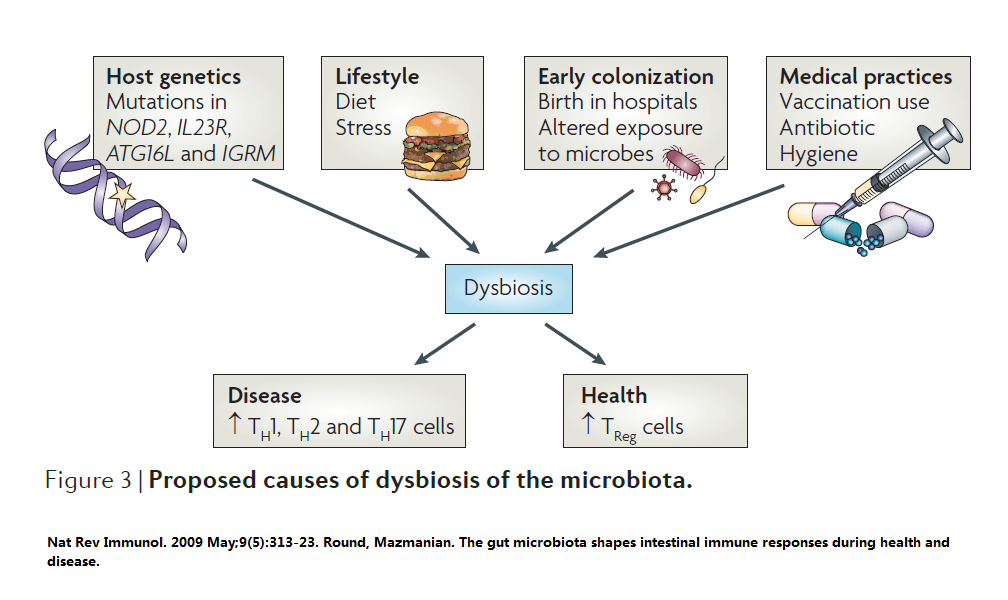
Proposed Causes of Dysbiosis of the Microbiota
Round, Mazmanian 2009
Source: PDF
Gut Feelings?

This is the final step in our 7-Step SIBO series!  Thank you for joining Tim Steele (aka tatertot) and I on this fantastic discussion and opening conversations about our wonderous and fascinating GUT AND OUR MICROCRITTERS!

Has everyone seen Tim's GUTS OF STEELE and assayed via 16S PCR amplification at the American Gut Project???


By now, I hope you have an appreciation for the impact and difference one single organ as simple as the gut can affect our overall health, longevity, digestion and day-to-day brain function.  More importantly, we dream that you feel more confident in identifying, addressing and fixing some of these intestinal issues.

I believe it is truly challenging to deal with all the modern factors that are the proposed causes of dysbiosis of the microbiota (see above)
-- low-grade gut infections (microbial overgrowths, parasites, etc)
-- unbalanced health and immune systems (lack of commensals -- Bifido, SFB, and soil based organisms)
-- our unique genetic vulnerabilities (e.g. HLA DQ2.5 for celiac; HLA B27 for alkylosing spondylitis)
-- lifestyle (lack of dirt exposures, stress, diet, sedentary atrophy, lack of sleep, livestock/dairy grade antibiotics, disjointed relationship with soil and farming)
-- early colonization of pathobionts (birth in hospitals, lack of breastfeeding, compromised maternal biota sources, toxic formula)
-- medical and dental practices (mercury amalgams, vaccines, antibiotics, hyperhygiene)


NO WONDER WE GET GI-F*KCRD
SO QUICKLY SO EASILY

Estimated Surface Area
of the
Small Intestines


Main Problem with the Small Intestines: GINORMOUS SURFACE AREA

Our small intestines are like head size -- very variable in size!  As we grow, our small intestines grow as we age just like our height or head size. Much is perhaps determined by nutrition by mom and factors after birth.  Our small intestines vary from 5 to 10 meters (average 6-7 m) -- 3-6 times our height.  Indeed by surface area, our small intestines trump even our skin for being the largest organ.

In comparison, the large intestines is only a fraction of the length of the small intestines at  ~1.5 m.

Unfortunately I believe this predisposes us mammals to inherent problems as we frequently encounter digestive disruptors such as all the ones listed above.  These factors in our post-modern industrial neolithic age bombard us from pre-birth, birth and upwards.

I'm grateful that we have simple strategies and technology to address all of the gut disruptors -- fermented foods, whole grains/tubers/legumes, RS, potato starch prebiotics, soil based probiotics, diet, yoga, functional medicine lab testing GDX 2200 stool, ONE organic acids, Am Gut, uBIOME, etc.
Small Intestines: 5-10 meters (~15- 30 feet)
Large Intestine: 1.5 meter (~5 feet)
Source: NYU EDU SIBO

Stressors, Coz We R Not Zebras

Mental stress directly impacts our gut function.  The vagal nerve (see below) innervates our organs including the gut from head to tail.  This nerve controls calm, cool, rest, repose and digestion.  Look how the connections go between our brain to our gut, neat?  80% of our serotonin, the happy transmitter, are generated here.  Melatonin, our sleep hormone, is then produced from serotonin. What is the first sign of stress?  Insomnia, no wonder.

Who doesn't have stress? Widespread cortisol dysregulation is documented in teenagers (Dr. Briffa).

Vagal Nerve Innervations: Head to Tail (Butt)
Source: Medscape


Gut Brain Adrenal Axis

What are the variety of stressors the human body experience?

Gut
 --Sources of stress: gluten, pathogenic organisms, viruses, yeasts, dysbiosis, not enough gastric acid, lack of commensals, refined not-whole-foods, GMO food

Adrenal Glands
--Sources of stress: mental, physical, traumatic, intrauterine

Brain
--Sources of stress: perceived, mental, fear, lack of trust, heightened super senses (hear, smell, touch, feel, taste, sense), future fears, past fears


Effects of Stress Breaks the Gut

Stress (cortisol) breaks open our gut, makes the TJs (tight junctions) leaky, and abruptly even changes our gut flora to more pathogenic populations while reducing the numbers of the good flora like Bifido.  Read more about the gut-breaking effects on the Gut-Brain-Axis HERE.

Let's take surgery as an example (top diagram).  Being cut open by a surgical knife, bleeding, opening arteries and veins are one of the most stressful procedures a person may endure.  With any minor or major stressor, the adrenal glands must put out cortisol and adrenaline. With major trauma (surgery) or mental stressor, buckets of cortisol are secreted to maintain homeostasis, blood glucose, heart rate, blood pressure, hormones, etc.

In different gut disorders and SIBO, slightly variable nervous system effects are observed.  Some conditions are more 'turned up' by the sympathetic nervous system (SNS/adrenaline/cortisol) than others.  Some conditions are more deficient or defective in the parasympathetic nervous system (PSNS/calm/oxytocin) than others.

How do you balance?


Adrenal Botanicals and Yoga

In both clinical practice and in studies, certain rhizomes, tubers, and herbs are shown to buffer and balance the function of the adrenal glands.  Recently Robb Wolf and Chris Kresser talked about adrenal function.  Prior animal pharm ADRENAL posts. The funniest physician on adrenal and hormone health is DR. SARA GOTTFRIED!  Love love love this grrrrrl.

My favorite brand of adrenal support is by Gaia Adrenal Health but many exist.  What works for you?  How do you know when your adrenals are f*kcered?  How do you fix it? Does your physician ignore it?

Yoga -- for me yoga is the best tool for putting the SNS to rest and to bring the PSNS back to up to snuff. I don't know why it works!  There are studies but none explain the deep, contemplative, and restorative properties that I get when I'm regularly doing yoga. If you are in adrenal dysregulation, I'd highly suggest considering avoiding ALL Bikram and other extreme activities. The high heat and extreme form (90 minutes of high intensity sweating) is actually super detrimental for marginally functioning adrenals.

Bionic Adrenals
By Yoga
Source: HERE


Stress

Other ways to tell if you're 'stressed' is FINGERPRINTS (hat tip: D'adamo).  Our height of our fingerprint ridges may reflect our gut health microvilli height.  We are aware that sometimes skin damage reflects gut damage and bacterial/fungal translocation and their respective toxins  (acne, rosacea, psoriasis (and here), eczema, etc).  More damage, flatter villi, flatter fingerprints, different whorl and loop patterns.

In celiac, with severe SIBO, see the white lines and flatness of the ridges? On a gluten-free diet, these improve.
Figure 2 (white lines on gluten/celiac) versus
Figure 3 (diminished white lines on gluten-free diet)
Source: David TJ et al, 1970


References

Small intestinal length: a factor essential for gut adaptation.
Weaver LT, Austin S, Cole TJ.
Gut. 1991 Nov;32(11):1321-3.

The relationship between intestinal microbiota and the central nervous system in normal gastrointestinal function and disease.  PDF free.
Collins SM, Bercik P.
Gastroenterology. 2009 May;136(6):2003-14.

Therapeutic considerations of L-glutamine: a review of the literature.
Miller AL.
Altern Med Rev. 1999 Aug;4(4):239-48.

Magnesium sulfate protects against the bioenergetic consequences of chronic glutamate receptor stimulation.
Clerc P, Young CA, Bordt EA, Grigore AM, Fiskum G, Polster BM.
PLoS One. 2013 Nov 13;8(11):e79982.

Psychological stress and corticotropin-releasing hormone increase intestinal permeability in humans by a mast cell-dependent mechanism.
Vanuytsel T, van Wanrooy S, Vanheel H, Vanormelingen C, Verschueren S, Houben E, Salim Rasoel S, Tóth J, Holvoet L, Farré R, Van Oudenhove L, Boeckxstaens G, Verbeke K, Tack J.
Gut. 2013 Oct 23.

A cross sectional study of dermatoglyphics and dental caries in Bengalee children.
Sengupta AB, Bazmi BA, Sarkar S, Kar S, Ghosh C, Mubtasum H.
J Indian Soc Pedod Prev Dent. 2013 Oct-Dec;31(4):245-8.

Dermatoglyphics in patients with dental caries: a study on 1250 individuals.
Abhilash PR, Divyashree R, Patil SG, Gupta M, Chandrasekar T, Karthikeyan R.
J Contemp Dent Pract. 2012 May 1;13(3):266-74.

The relation of bruxism and dermatoglyphics.
Polat MH, Azak A, Evlioglu G, Malkondu OK, Atasu M.
J Clin Pediatr Dent. 2000 Spring;24(3):191-4.

Wednesday, November 13, 2013

HOW TO CURE SIBO, Small Intestinal Bowel Overgrowth: Step #2 Eat Resistant-Starch-Rich Tubers, Grains, Legumes and Pulses


The second step in Dr. BG's 7-Steps Paleo* Gastro IQ SIBO Protocol is:

"Ancient heirloom potatoes, tubers, roots that are low glycemic index (or high if good insulin sensitivity) and ancient heirloom grains, legumes, lentils/dal that are low glycemic index (or high if good insulin sensitivity), prepared the ancient way (soaked, fermented, etc)"

Potatoes, tubers, roots, grains, legumes, and lentils have been alongside man throughout our evolutionary past. Eating these foods is very important in keeping our gut microflora in top-notch condition. You saw in the Fat Burning Beast blogpost that a digestive system starved of carbohydrates, fermentable fiber, and butyrate leads to a high risk of colon cancer, but it also leads to a dysfunctional and less prolific gut microbiome.

The Standard Western Diet leads to a Standard Western Microbiome, one that has been starved of healthy, fermentable fibers, flooded with antibiotics, and allowed to proliferate with pathogenic bacteria. This leads to inflammation, metabolic syndrome, and auto-immunity. On the other hand, A paleo diet, with near complete avoidance of refined sugars, flours, gluten, and vegetable oils and plenty of starchy, fibrous plant matter will produce a functional microbiome, replete with beneficial bacteria, flooded with short-chain fatty acids, and ensure immune system homeostasis, glucose regulation, vitamin and mineral uptake, and production of vital hormones and neurotransmitters.

Often times when starting a paleo diet, one restricts carbs. This is an effective strategy for weight loss and may help eliminate unhealthy sugar cravings, but in the long run carb restriction will most certainly lead to a dysfunctional gut microbiome.  Both the Perfect Health Diet or Mark's Daily Apple Diet outline the optimal amount of starch that one should include in their diet. A daily food intake that is roughly half plant matter, including up to one pound of starchy foods is highly recommended.

[Grace~~ Dispelling fairy tales: I love Paul and Mark. (Particularly Mark's pectorals and gluteals and how he recognizes a good thing like RESISTANT STARCH for the gut microbiota and insulin metabolism) We have all evolved but I'm not certain if their respective diets entirely have.

What I like about PHD is the 150 grams per day advice for adrenal dysregulation because ketosis/VLC will instigate susceptible adrenals into hypercortisolism, and subsequent low adrenal and low T3 thyroid syndromes. PHD can heal this. However, the reliance on white rice and not the whole grains, whole legumes and RS-rich tubers will lead to gut dysbiosis for those who are vulnerable. Adding these back in are thus imperative. If I consumed 150 grams of high GI (glycemic index) white rice daily, I'd be T2DM within two seconds.  But if I consumed 150-200 grams of low glycemic index carbohydrates that included RS-rich starches, grains, and tubers, ME AND MY MICROBIOTA ARE GOLD *wink wink*.  And the net carbs are 75-100 grams/day.

MDA has two (ancient) popular posts which offend my gut ;) and the microbiota... (1) The Primal Carb Continuum and (2) All Grains are Unhealthy.  Fiber IS INDEED good for us (and Mark says so HERE).  They feed your microbiota and heal SIBO and promote gut longevity, proper processing requires soaking and fermentation of whole grains, legumes and pulses to make them edible.  So Mat Lalonde has already banished the lectin myths. Please see his AHS 'Invalid Inferences'...  How to make our legumes and whole grains work for us? Soak, soak, soak which ferments the starches. Soaking brings alive the microbes that reside on the grain or legume/pulse.  If Gluten Small Grass Grains and unsoaked legumes wiped out the Neanderthals, then it is perhaps food technology that brought Anatomically Modern Humans to the Great Leap Forward 40,000 to 50,000 years ago.]

If 'carb restriction' means eliminating gluten, industrially processed flour, and refined sugars, that is perfect! If it means eliminating potatoes, rice, and most other whole, starchy foods that's a problem.

The purpose of this blog is to teach you how to chose and prepare starchy, fibrous food in a way that will lead to a high Paleo* Gastro IQ.

Everyone knows potatoes and rice, but there is a whole host of other foods that fit the bill for exceptional gut health and getting a variety of these foods is extra-important when healing a broken gut. It would be a very wise move on anyone's part to seek out some of these:

Plantains
Green Bananas
Mt Uncle's Raw Ladyfinger-Banana Flour (high resistant starch content)
Jobs tears/Adlay/croix
Brown rice
Purple rice
Red rice
Black rice
Fermentation/Soaking Tips
Journal Source: HERE
Basmati white rice
Basmati red rice
Mung beans
Green beans
Red beans
Kidney, black, fava, navy, etc beans
Millet
Sorghum
Buckwheat
Teff
Amaranth
Steel cut oats
Lentils
Chana dal
Garbanzo
Quinoa
Taro
Jicama
Cassava
Yams
Konjac
Okinawan purple potatoes
Andean purple potatoes
Nagaimo (Chinese white mountain yams)
Raw or Roasted Potatoes


The list goes on and on, but you get the picture--no need to rely only on potatoes and rice! Each different variety packs a different punch. Beans and lentils are often frowned upon in paleo circles, but when properly prepared, they are one of the most nutritious foods on the planet.

When it comes to grains and legumes, one of the biggest problems is phytates. An exceptional write-up on phytates and how to remove them can be found here. "...phytic acid does indeed bind with minerals such as calcium, phosphorus, iron and zinc. If you depend on grains and legumes for a high portion of your diet, then those phytates (phytic acid) could lead to mineral deficiences." Fortunately our ancestors found ways to remove phytates and these methods can be used today to make these evolutionary important foods safe. It would be of great benefit for you to learn the techniques of sprouting and fermenting to increase your range of healthy foods.

A very interesting grain known as Job's Tears, Chinese Pearl Barley, or Adlay has some remarkable properties including effectively alleviating osteoporosis, leukemia, and rheumatism. Oats are an interesting topic of much debate, and don't let a Gluten-Free label fool you! Dr. BG said of Gluten- Free foods in 2010:

"Personally I believe gluten-free is not enough for an ultimately optimal lifespan and health. Gluten-free products often still are refined, vastly processed and full of high carbohydrates and problem oils (oxidized, pesticide-laden crops of omega-6 canola, safflower, cottonseed, etc) which spike and increase blood glucoses (BG) and promote silent inflammation. Chronic silent inflammation leads to cancer, obesity, fibromyalgia, mood disorders, arithritis, weight gain, osteoporosis, diabetes, heart attacks and strokes.

Gluten free however alone improves stomach and GI symptoms including bloating, constipation, bloody stools, iron deficiency anemia, chronic fatigue, IBS (irritable bowel syndrome), and gut dysbiosis."

The best advice we can give you is to include plenty of starchy carbs in your daily menu planning and learn to broaden your horizon. The more variety in your diet, the better profile your gut microbiome will develop.

If you have any questions or concerns about our food list or want to see any added, please comment!

Saturday, September 21, 2013

Why We Are Sick and Fat: Calories In (SUPERORGANISM) = Calories Out (MICROBIOTA) + Calories Out (HUMAN) + HEAT*Fluxxx

Gut Permeability = Why We Are Sick and Fat?
Photo credit: Gravitz. Nature, 2012.


Microbial Influence

We co-evolved with the microbes in our gut to escape pathogens, parasites, predation and starvation (emo, nutritional, mental, etc), whilst hunting for palatable food, prey and partners.  (Isn't your partner palatable?) Simultaneously we enjoy all benefits that our co-existing gut microanimalia provide -- digestion of indigestible fibers/resistant starches, butyrate/short-chain-fatty-acids, neuroendocrine modulation, boosted immunity and tolerance, to name only a few.  They weigh 1-2 kg in our daily feces, contribute to massive biofilms (slime communities) in our guts and sinuses, and line every interface where human interiors meet exteriors.  The microbiota are not a small forgotten organ any longer.

It has been realized for decades that 70-80% of human immune cells are in the GI system; I believe however a large proportion (70-80%??) of our total immune system IS the gut microbiota. The # of genes collectively in a microbiome are 150 times larger than the genome of their host human. Besides digestion and metabolism, our microbiota perform far more than we perhaps currently understand in cross-talking with the immune system, its maturation and role in homeostasis and energy balance.


Dysbiosis and Intestinal Permeability as Origins of Disease


Emerging data like the study reviewed here showing the rodent T1DM disease model was averted by the presence of a soil based microbial strain known as SFB (segmented filamentous bacteria; genus Arthromitus) confirm and highlight the vital role played by commensal gut species in our immune system. I find it notable that the hearty and robust spore-forming ones that originate from dirt sources are producing some of the most interesting scientific findings since we co-evolved with ancient dirt for millenia.

Since the vast majority of microbial fermentation occurs in the caecum, appendix, and remainder of the large colon in humans, our small intestines are nearly sterile and absent of bacteria and fungi except at the end (ileum) where commensal species take residence.  Studies on TH17, one of the important arms of the immune system, show that no TH17 cells will appear in the small intestines until commensal microbes inhabit the area. Germ-free rodents will miss an entire arm of the immune system until colonization with introduction of a SFB-containing commensals.


Toxic and Germ-free Fetuses, Babies, Children and Adults

The collective status of our guts pretty much reflects the status of our current macroecological niche for humans I think... massively insolvent, blatantly bereft of vision, and irrevocably impoverished.  In China I read everyday of villages blighted with river and ground water poisoning by illegal corporate dumping of industrial waste.  Post-modern towns are plaqued with leagues of cadium or arsenic poisoned children. Even locally in our neighborhood Pudong, Shanghai, lead toxicity was detected in many children living near manufacturing plants called Johnson Controls International Battery Inc.  In the USA, coal burning which provides 30-50% of current energy demands has tainted the air/water/soil and caused mercury and arsenic accumulation in marshes and wetlands and the flora and fauna that reside there. Birds no long sing, woo, mate or care for their young appropriately.  Mercury-toxic birds are literally the canaries in our toxic macroecological niche.  What about human canaries, our children?  I think epidemic rises in toxin related diseases are accurate and reliable reflections because toxins disrupt the intestines and microbiotia:
--AUTISM (1:50 currently compared with 15 years ago 1:10,000)
--CELIAC DISEASE (6.4-fold increase in 20 yrs, Scotland)?
--OBESITY AND METABOLIC DISEASES

Our hyper-hygiene and dirt-avoidance culture extends to the over utilization of potent broad spectrum antibiotics piled into the feed of poultry, pigs, cattle dairy/egg production and in modern conventional healthcare.  In the a new study by Stanford researchers, the mechanism for why pathogenic gut strains invade after a single course of antiobiotics has been illuminated.  Pathogenic strains C. diff and S. typhi are shown to take advantage of the abundant sialic acid and fucose sugars that are left after antibiotic extermination of 'good' commensal gut flora.  The researchers also report in a model where C. diff and S. typhi were genetically altered to fail to utilize sialic acid, expansion by the pathogens was impaired.


Modern Obesity: Inflammation, Intestinal Permeability
Modified: GREER, MORGUN, AND SHULZHENKO, 2013

Toxins Delete the Good Microflora, Stimulate the Bad Microflora

When I had toxicity from gluten, oral birth control, antibiotic overutilization, thimerosal vaccines (tetanus, annual flu, blah blah blah), titanium and mercury amalgams, I had no idea that each and every one of these factors promote pathogenic gut flora, vitamin B12 deficiency, and kill or inhibit beneficial 'good' gut flora.

 Did these toxic factors make me fat?  Absolutely.

It was not [CALORIES IN = CALORIES OUT].

Fermented Fiber Produces SCFA Which Activate Immunomodulating G-Protein Receptors (GPRs): In pubmed studies, each of the above toxic factors are highly linked to gut dysbiosis and obesity.  Stopping or eliminating each of the above eliminated subsequent inflammation and obesity for me (combined with Asian paleo + exercise).  Understanding the human superorganism anatomy and physiology gives pause to recognize the role the gut flora had in the ups/downs of my health over the decades.  Recall about ~10% of total energy expenditures are estimated to be supplied by hindgut fermentation that occurs in the caecum and colon (versus 20-30% for other omnivores).  Production of SCFA, small chain fatty acids (acetate, proprionate, butyrate), and other downstream metabolite byproducts (succinate) bind receptors known as FFA2/FFA3 and SUCNR1, respectively, that control and regulate inflammation (TNF, interleukins, NFkB) and immune function.  Metabolite sensing occurs through these G-protein receptors much like how omega-3 EPA+DHA bind 'omega-3 receptors' GPR120 and elicit their anti-inflammatory and immunomodulating actions.  FFA2 (GPR41) receptors are found in enteroendocrine cells, adipocytes, neutrophils, eosinophils and pancreatic islets; and FFA3 (GPR43), enteroendocrine cells, pancreatic islets and sympathetic ganglia.

I believe these effects on GPRs design a metabolic flux which tunes metabolism UP and DOWN based on the messages that our food, movement, minds, and microbiota co-create.  My new formula for comprehending energy balance might be...


     Calories In       = Calories Out (MICROBIOTA) + Calories Out (HUMAN) + [HEAT]*FLUXXX
(SUPERORGANISM)

Main pathways of energy metabolism for dietary fats, fiber and carbohydrates
Fermentation of indigestible fiber and resistant starch to SCFA
Photo credit: Nature Reviews


Diabesity:  Recall pesticides are highly associated with Diabesity.... Coming to China actually forced our family to go as much as we can 100% organic and non-GMO (although all labels are dubious).  In the States, when my in-laws cooked for our family I didn't have control (eg they were too cheap to buy organic).  In the USA, the organic label is also dubious to me but for the most part it's way way way better than in China.


Recent research demonstrated that glyphosate (Round-Up Ready) allows growth of pathogens and kills the friendlies in studies of intestinal microecology in chickens.  EWP studies show babies and people's toxomes contain on average 200-300 known carcinogens, chemicals, heavy metals and pesticides. 100% of all participants (n=9) in the EWG #1 Commonweal Study had metabolites of organophosphate pesticides, and 55% -- organochlorine pesticides.   Do pesticides in our food and contaminating our water/soil disrupting our gut? I would say emphatically yes.  In China, Round Up Ready sweet corn is mega popular.  China imports that and millions of metric tons of GMO cotton, soy beans, corn, rapeseed and sugar beet.

For several years now, commercialized GM cotton, papaya, sweet pepper, tomato, poplar, and petunia have been grown without public awareness.  One journalist reports that 90% of China grown cotton is GMO cotton (2008).   The report also found 40 billion tons of soybeans were imported  in 2009.  GMO Soy likely goes into thousands of Chinese products here -- (rancid) cooking oil, animal/poultry/aquaculture feed, tofu, soy milk, soy sauce, etc. 40 BILLION TONS OF GMO. Asians love their soy OY OY OY... It's truly the land of sarcopenia and soy, no? Is this behind the epidemic of obesity and diabetes in China among children, adults and elderly alike?

Chinese companies offer a ton of Glyphosate (Round Up Ready)
Source: Alibaba


Horizontal Gene Transfer.  Does horizontal gene transfer (HGT) between DNA from consumed GMO corn and corn products to our gut microbiota occur? Another emphatic YES.  How do you reverse it if your microbiota is transformed? I wish I knew... Bacteria and fungi live in biofilms and exchange DNA within the matrix.  Like a meme gone viral.  Evidence for both DNA and lectin proteins from GMO Bt corn has been found in animals and humans that consume Bt corn. The DNA was found to survive and persist for a long time in the gut/rumen.

Photo credit: Heritage J. Nature, 2004.


I talked about Bt corn previously here: 50 Shades of F*ckd and Cancer.  Every pesticide corporation has a GMO Bt corn brand.  Bt is a lectin (like gluten) and disrupts intestinal epithelium in susceptible victims which can lead to gut dysbiosis and/or death.  It was very effective pesticide in the beginning.

Rootworms and other pests have rapidly shown field resistance to nearly every brand -- Syngenta's Agrisure and Monsatan's YieldGuard.  Dupont/Dow's Herculex has not as much, therefore Monsatan has reported they are planning to incorporate Herculex to synthesize TWO TOXINS into their new SmartStax corn -- in an attempt to overcome inherent field resistance. GMO is brilliant, no?

Unfortunately significant Bt lectin protein has been detected in fetus, pregnant women and non-pregnant women in already one clinical trial. Can we look forward to double the toxins next?  Can we afford to because we are kinda 50 Shades of F*ckd already...


Boobies and Breastmilk Microbiota

Symbionts Are Everywhere:  Our microvilli produce siliac acid and fucose (9- and 6-carbon sugars) at the tips for commensal gut flora to feast and graze on. I call it 'pharming the gut'.  Again, like much of life on earth -- hominids, insects, fish, frogs, mammals -- we have evolved with gut symbionts, encouraging them to take residence and producing incentives for their maintenance.  We should strive to avoid screwing our symbionts...

The baby-mother relationship is another example of the ultimate symbiosis.

Babies receive everything from mom -- life, love, heat, immunity (IgM), food, and water.  It's one of the most symbiotic relationships on earth outside of pair-bonded couples and tight knit families and communities. The baby is born sterile with no immune system, relying on mother's immunoglobulins to handle environmental viral or microbial assaults.  If advanced hominids and other mammals outsourced 70-80% of its immune system to gut microbiota, what does the timeline for acquisition of gut flora look like in babies?

Photo credit: Fernandez L et al, 2013.


Initially breastmilk was considered sterile but like many things in science, this was inaccurate. Colostrum contains over 700 live organisms (European Society of Neurogastroenterology and Motility: Gut Microbiota Worldwatch). Are these important? Why? Lysates of strains such as Lactobacillus and Bifodobacter have been shown to tighten up the intestinal tight junctions. Several strains in probiotics have been shown to be associated reduced mortality in NICU settings and against often fatal necrotizing enteric colitis.

Although babies are born with leaky guts to accomodate mothers' large proteins direct access into blood and lymph circulation  (immunoglobulins, IgM), they appear to get a lot of help from natural commensals to switch and develop intestinal impermeability.

Photo credit: Cabrera-Rubio et al, 2012.

Where does mammary microflora originate from? Some researchers hypothesize there is a special conduit that transfers gut flora to the mammary glands, an 'entero-mammary pathway'.  Lymph circulation? It is unknown and not entirely elucidated.  Researchers looked at microbiota in breast milk (at 0 mon/colostrum, 1mon and 6 months), different areas of the mother's body and compared flora between elective C-section and vaginal/non-elective C-sections. Breastmilk from C-section moms resembles mouth/oral and skin flora; whereas, breastmilk from moms who went through vaginal birth or some modicum of vaginal delivery that ended in non-elective C-section (that was me) showed flora that matched the gut and feces. Birth does something to make proper milk.  "The fact that the milk microbiome of mothers who gave birth by nonelective cesarean section had a normal microbial composition that was comparable to that of breast milk from mothers who delivered vaginally suggests that physiologic (eg, hormonal) changes produced in the mother during the labor process may influence the composition of the bacterial community."

Another finding from this study was 'Milk from obese mothers tended to contain a different and less diverse bacterial community compared with milk from normal weight mothers.'

Are Toxins + Early Post-Natal Gluten Exposure J*cking Us?  Gluten peptides also traverse and are dispensed to the baby during lactation from a gluten-eating moms.  Does this contribute to the gargantuan rise in celiac and autism?  Babies are born sterile but breastmilk has over 700 organisms to colonize and modulate intestinal permeability. If babies are born under circumstances where mom doesn't provide the needed commensal gut bacteria (overweight/obese mom (me, again), elective C-section, antibiotics at birth), it could be plausible IMHO that peptides like gluten in mother's milk will cross directly into the baby's blood circulation without the 'blockage' or junction tightening effect from missing commensals.  Gluten on its own also opens zonulin, further impairing, I suspect, a baby's gut permeability.

We may need commensal gut critters not only for immunity but also for chelation and elimination of modern, industrial heavy metals.  Studies show several soil-based bacteria microbes chelate and bind toxic metals.


Citations

Gravitz L. Nature. 2012 May 17;485(7398):S12-3.

Oregon State University (2013, September 16). Gut microbes closely linked to proper immune function, other health issuesScienceDaily

Greer RL, Morgun A, Shulzhenko N. J Allergy Clin Immunol. 2013 Aug;132(2):253-62.

Esteve E, Ricart W, Fernández-Real JM. Curr Opin Clin Nutr Metab Care. 2011 Sep;14(5):483-90.

Blad CC, Tang C, Offermanns S. Nat Rev Drug Discov. 2012 Aug;11(8):603-19.

Ivanov II,  Littman DR.  Cell. 2009 Oct 30;139(3):485-98.


DePalma A. "Mercury’s Harmful Reach Has Grown, Study Suggests,"  NY Times 1/23/2012.


Birdsong Differs between Mercury-Polluted and Reference SitesHallinger K, et al.  2010 The Auk 127(1):156-61. 
Shehata AA, Schrödl W, Aldin AA, Hafez HM, Krüger M.  Curr Microbiol. 2013 Apr;66(4):350-8

Aris A, Leblanc S. Reprod Toxicol. 2011 May;31(4):528-33. 

Sharma R, McAllister TA, et al. J Agric Food Chem. 2006 Mar 8;54(5):1699-709.

Bertheau Y, Martin P, et al. J Agric Food Chem. 2009 Jan 28;57(2):509-16.


Duggan PS, Chambers PA, Heritage J, Michael Forbes J. Br J Nutr. 2003 Feb;89(2):159-66.

Chowdhury EH, Nakajima Y, et al. J Anim Sci. 2003 Oct;81(10):2546-51.

Heritage J. Nat Biotechnol. 2004 Feb;22(2):170-2.

Jost T, Lacroix C, Braegger CP, Rochat F, Chassard C. Environ Microbiol. 2013 Aug 23. 

Fernández L, Rodríguez JM, et al.  Pharmacol Res. 2013 Mar;69(1):1-10.

Sultana R, McBain AJ, O'Neill CA. Appl Environ Microbiol. 2013 Aug;79(16):4887-94.

Bergmann KR,, De Plaen IG, et al. Am J Pathol. 2013 May;182(5):1595-606. 

Bethune MT, Khosla C. PLoS Pathog. 2008 Feb;4(2):e34. doi: 10.1371/journal.ppat.0040034. 

Chirdo FG, Rumbo M, Añón MC, Fossati CA. Scand J Gastroenterol. 1998 Nov;33(11):1186-92.

Qixiao Zhai, et al.  Appl Environ Microbiol. 2013 March; 79(5): 1508–1515.

Marc Monachese, Jeremy P. Burton, Gregor Reid. Appl Environ Microbiol. 2012 September; 78(18): 6397–6404. 

Zhang L, Li J, Zhou K. Bioresour Technol. 2010 Apr;101(7):2084-9.

Friday, September 13, 2013

Phylogenetic Tree of Caecums, Appendectomies, Microbiota Maintenance, and Anecdotal Failure of Fecal Transplants


Human Guts = Super-Organs

Human intestines are really part-carnivore, part-frugivore and part-microbe. As living entities, we are 'super organisms' or hybrids of microbes (over 100 trillion cells) + human (~10 trillion cells).  Did you do the arithmetic? (sorry -- I can't do math)

We are ~90% microbial cells. In fact all living organisms have gut flora microbes from termites, cockroaches to fish to frogs to birds to carnivores to omnivores.  Recall SFB (segmented filamentous bacteria; Firmicutes; Clostridia; Candidatus Savagella) the commensal (symbiotic) bacteria intimately residing in the ileum (small intestine) of insects, humans, chickens and rodents improving TH17 and immune system regulation and protecting against autoimmunity and T1DM.

The caecum and appendix (animals that have one -- see photo) may serve the job of storing and maintaining the microbiota that seed the gut (fore and hind). In a phylogenetic analysis of a variety of animals, evolutionary biologists have various theories that the appendix was retained for a functional purpose (Smith et al, 2010. Photo credit: PDF.)


The Human Appendix is Not Vestigial 

The appendix is not a vestigial organ. In modern healthcare, broad spectrum antibiotics are handed out carelessly and tonsils and appendices are removed without much thought -- acute symptoms or persistent infections precipate the surgery in otherwise healthy and young folks. However, a recent study shows that there is an un-ignorable and increased relative risk of unexpected sequelae (e.g. subsequent heart attack) in these people following surgery -- 44% and 33%, respectively.

Why? Tonsils and appendices are part of the hybrid microbiota-immune system and control of inflammation.  According to Smith et al, our ancient predecessors most likely had appendices for at least since 60 million years ago if not extensively longer, 80 mya.  Come on... 80 mya... that's a long time.
"The appendix has evolved independently at least twice
and has been extensively maintained, albeit not uniformly,
in at least three and perhaps four groups of
mammals; glires, primates, Diprotodont marsupials and
perhaps monotremes. The possibility that the appendix
occurred at the base of the primates suggests that the
appendix may have been preserved in that clade since
before the two primate suborders
, Strepsirrhini and
Haplorrhini, diverged an estimated 60–63 million years
ago (Gingerich, 1986; Shoshani et al., 1996; Pouydebat
et al., 2008). Similarly, the conclusion that the appendix
evolved at the base of the glires indicates that the
appendix has been maintained since before the K–T
extinction,
when rodents and lagomorphs diverged
approximately 80 million years ago (Bininda-Emonds
et al., 2007)."


Caecums, Carb/Fiber Digestion, VFAs

Caecams are organs at the juncture between small and large intestines. Mammals have one, gallinaceous birds (ground-feeding) two, and fish several.  Humans and primates have a small caecum and vermiform appendix (worm-like, blind pouch). Caecums appeared to have evolved as chambers for microbial fermentation. It has made multiple appearances in evolution. Sizes vary in the animal kingdom from none to some to fully functional appendices. In species without appendices, the great majority of microbial fermentation occurs in the stomach (ruminant herbivores).  Ruminants have evolved small caecum (no appendix) since most of the fermentation occurs in the foregut. Smith et al theorize "Thus, the evolution of small ceca in some species that are foregut fermenters seems likely to have involved loss of the digestive function of a cecum with an appendix, with maintenance of the immunologic function of the cecal appendix."

Certain herbivores do a HUGE amount fermentation in the caecum -- rabbits, pika, guinea pigs.  These vegan-animals also exclusively practice coprophagia to obtain nerve/brain nutrients (vitamin B12) from caecal protein and vitamin synthesis (e.g. poo consumption).  [Curiously, porcupines have big caecums but no  observed coprophagia behavior (though dogs and tortoises have been observed to eat porcupine poo).  Yet in one study 16% of energy requirements were produced in caecal fermentation (versus 4.7%, rat).  BTW resistant starch (RS -- corn) provides different volatile acids, caecum expansion and improved insulin and blood glucose profiles in rodent studies, compared to high GI wheat/gluten starch.]


Photo credit: talkorigins

Our caecum is microscopic (see below); herbivores, gargantuan.  The human caecum and appendix serve more of an immune function, reservoir for microbiota; the function for digestion is minor.  Both our caecums and large intestines can ferment carbs (fiber, resistant) then release the digested products into the blood circulation as volatile organic acids.  The small intestines should not... except under illness (SIBO, small intestinal bowel overgrowth).  We are not foregut fermenters.  These metabolites can be measured (propionate, acetate, butyrate, etc). GDX/Metametrix organic acids testing is available-- Nutri Eval, Organix, ION, ONE.  I favor the ONE -- requires only the first morning void urine (FMV) so non-invasive and you get the cancer/inflammatory marker 8OHdG, mineral/vitamin deficiencies are other functional metrics.


Photo credit: Smith et al, 2010
Fig. 1 The cecal appendix (a through l) or appendix-like structures (m through o) in a
variety of mammals. The cecum ⁄ appendix is oriented toward the top of each drawing,
the distal end of the small intestine toward the left and the proximal end of the largeintestine toward the bottom.
  (a) human, Homo sapiens;
  (b) Pongo pygmaeus, orangutan;
  (c) Lepilemur leucopus, sportive lemur;
  (d) Lasiorhinus latifrons, Southern hairy-nosed wombat;
  (e) Oryctolagus cuniculus, rabbit;
  (f) Phalanger gymnotis, ground cuscus;
  (g) Anomalurus derbianus, scaly-tailed flying squirrel;
  (h) Trichosurus vulpecula, common brushtail possum;
  (i) Bathyergus suillus, Cape dune mole-rat;
  (j) Atherurus africanus, brushtailed porcupine;
  (k) Castor canadensis, beaver;
  (l) Microtus pennsylvanicus, meadow vole, shown with a partially uncoiled large bowel//
  (m) Phascolarctos cinereus, koala;
  (n) Ornithorhynchus anatinus, platypus;
  (o) Tachyglossus aculeatus, echidna.


Volative organic acids include polyamines, short chain fatty acids (VFA) and others.  These can be quantified on the GDX/Metametrix GI function stool test and blood/urine organic acids testing.  This test is the best on earth. It assesses both large and small intestine function, and additionally accurately pinpoints pathogenic overgrowth, parasites, and worms which are frequent invaders despite 'clean' air, water and soil in modern continents. If pathogens exist in the small intestines, caecum and/or large intestines, putrification of undigested fats, proteins and carbs occurs.  Certain volative by-products are highly odiferous-- cadaverine, putrescene, spermidine, etc.

Treatment includes pathogen killing (charcoal, clay, herbals), healing the broken gut/brush border/GI peritalsis/acidity/pH, and replacing lost gut flora (commensal Firmicutes, Bacteroides, facultative anaerobes, SBO, good yeasts, etc).

The entire human gut has only ~17% of surfaces for fermentation compared with 50% for an animal like guinea pig. (TO ME, this is like the diff betw a select post-harvest wine versus mass produced Coors light.)

Bergman talks in-depth about VFAs. "Current estimates are that VFA contribute approximately 70% to the caloric requirements of ruminants, such as sheep and cattle, approximately 10% for humans, and approximately 20-30% for several other omnivorous or herbivorous animals. The amount of fiber in the diet undoubtedly affects the amount of VFA produced, and thus the contribution of VFA to the energy needs of the body could become considerably greater as the dietary fiber increases."  I don't think we are gorillas (57.3% energy obtained from VFAs) though some humans may exist as such (functional..? debatable?).


Role of Appendix and Failed Fecal Transplants

Our comparatively tiny human appendix is nearly non-functional yet appears to serve a purpose for maintaining maternal, birth- and early life-derived microbiota and biofilms.  This is why -- I've heard -- that fecal transplants often fail 1-3 years post-transplant (anecdotal communication,  Metametrix/GDX Tony Hoffman).  Were these cases Paleo? Consuming fermented foods frequently? Root causes for dysbiosis/permeability identified and reversed?  Toxins, mercury, pathogens addressed??


Appendectomies, Gluten Sensitivity, Gallbladders, Nutrigenomics and TMI

Not all animals have an appendix...... including members of my family; two out of 4 siblings have had surgical removal of the appendix. We also have 3/4 (diagnosed) autoimmune disorders. And 2/4 have documented gliadin sensitivity (me, positive fecal anti-gliadin sIgA in 2011 on Metametrix GI fx stool testing). Is there a connection? You tell me.

I'm Paleo because I'm protecting my gallbladder, appendix and other precious ~~.  Not into chopped off organs, boobies, etc.

Integrative medicine, treatment and prevention for gallbladder disease HERE (Gaby 2009).

Recently my kids and I did 23andme genotype testing. Have you done it? It revealed many gluten-sensitivity related conditions we are susceptible to based on known SNP analysis (alkylosing spondylitis, primary biliary cirrhosis, T1DM, etc).  Not a shock. I'm grateful for discovering the Paleo and gluten free diet in 2007, then functional medicine and intestinal permeability/gut dysbiosis in 2010.  We have made appropriate changes and seen improvements -- some mild, some dramatic.

This is the year of personal nutrigenomics.  We are negative for MTHFR but have the GSTT1 (glutathione, detox, heavy metals), deletion and are heterozygous for COMT (methylation -- detox of toxins, metabolism of adrenaline, dopamine, estrogens, 4OHE1, cortisol, etc).

Gallbladder stones and removal are super super super common in primary biliary cirrhosis (one of many celiac/silent-celiac conditions -- just like fatty liver, fatty pancreas, fatty heart, blah blah blah). Why? Look how anatomically close they are together to the liver, portal vein, stomach and duodenum/small intestine. When intestinal permeability allows undigested gluten through (or gluten just opens zonulin), gluten causes immunogenic havoc, scarring and immune system activation.  Same with the appendix.  When gluten and resident microbes translocate from the caecum/small/large intestines to proximal and distal organs, they hit neighbors the hardest.  Appendectomies are mega-crazy-common (my dad's a surgeon; gluten paid for my college).


Often I hear stories that the spasms and pain remain despite surgery.  Despite diligently avoiding 'high fat diets', they suffer (eating wholehealthylectins).  It's not just the 'fat, forty, fertile female' (4F's) who are afflicted (as all hazed med students are taught).  Males are affected too. Children are now affected.

It's a silent epidemic across the world in sync with vegetarianism (vegetarian males: 3-fold; vegetarian +alcohol, 7-fold) and westernized, Big Agra crop-users (like Saudi Arabia).

Gluten? Dietary removal of gluten helps a ton as Gaby above reports (two studies in celiacs 1985 and 1999).  Gluten is heat/cooking resistant. The toxic gliadin peptides can resist GI enzymatic digestion when microvilli DPP-IV  is disabled (by mercury) and when brush border enzymes are missing (SIBO, gut dysbiosis, pathogens/parasites).  At least 60 gliadin protein sequences are immunotoxic, triggering immune system reactions for susceptible individuals.  These were in relatively low concentration in ancient wheat but 50-100 years ago, transgenic hydridization and GMO techniques have bred (pun, bread) the concentration of the toxic gliadins to an estimated 500-fold amplication.

Peter at Hyperlipid cogently discusses Gluten and Gallbladders (circa 2008); good stuff, good comments.


Safe Guarding Appendices?

Smith et al talks about how the caecum is a "‘safe-house’ for biofilms containing commensal bacteria." How does antibiotics affect this? Antibiotics in food, cattle/chicken feed, eggs and their products?  How do we revive extinct commensals and healthy biofilms....? Wish I knew definitively because there are few ways to test the contents of the caecum and appendix.

If I could repeat preconception, conception, birth, postnatal, and lactation periods with my kids, I would certainly do a million things differently from the gut and gut microbe perspectives.

Further Smith et al concludes on the relationship between the caecum (which contains a region of lymphoid tissue), gut microbiota and the immune system....
 'Although microbial biofilms in the proximal large
bowel are apparently a hallmark of immune support for
the microbial flora in a wide range of mammalian species,
the biofilm distribution in the gut of an outgroup for
mammals had not been evaluated previously. Thus, the
observation that biofilms are distributed in frogs in a
manner similar to mammals, with a preference for the
proximal large bowel (Fig. 4), strongly suggests an
ancient origin for a pro-microbial immune function in
the proximal large bowel. Specifically, this observation
suggests that the adaptations supporting biofilm growth
by commensal bacteria are more ancient than blind sacs
of the gut, such as the cecum, which are involved in
fermentation. In support of this idea, microbial biofilms
are not only strengthened by secretory Immunoglobulin
A (SIgA) produced by the adaptive immune system, but
can also be supported by mucin (Orndorff et al., 2004;
Bollinger et al., 2005), a major biomolecule produced by
the more ancient innate immune system. This finding
points toward increased immune support of the gut
microbes as one of the potential driving forces for the
evolution of blind sacs in the proximal large bowel.'


Our Gut Anatomy and Physiology:  Part Carnivore + Part Frugivore

The curious thing is that advanced hominids are not exclusive frugivores. Though it makes sense that we lost the capacity to synthesize Vitamin C and must find and outsource this to dietary Vitamin C, our digestive tract length, volume and capacity to produce low pH and secretions are akin to carnivores.  Additionally, our shrunken small intestines possess really exceptional digestive capacities and efficient absorptive surfaces synonymous with carnivores, not herbivores (3-5X our height, not 10X as in herbivores).

 Photo credit: Biocyclopedia.


Nearly ALL digestive work and absorption are concentrated in the small intestines, which varies in length by individuality, 15 -30 feet. This is why illness in the small intestines (SIBO/gut dysbiosis) disrupts all health, including even distant, peripheral tissues (brain, breasts, fat/belly, bones, joints, vasculature, gonads-b**ners), not only proximal (liver, pancreas, gallbladder). Energy dense food provide long acting fuel (fats, complex carbs). Our small intestines, gallbladder bile acids for fats and carbs, pancreatic enzymes (lipases, proteases, carb-ases) compensated.   Our carnivorous small intestines are the super gift we acquired through evolution.

Our immune system is 70-80% based in the gut. Despite, our immunity being outsourced to microbes (caecal, appendix, intestines), only a fraction of our nutrition is (~10% from VFAs) because we obtain the energy from broken down, digested high-energy bonded food (e.g. fatty acids, complex carbs) in the small intestines.  Our sophisticated and elite human small intestines suck all this energy up taking what first-pass at the liver misses. Human nutrition is super nutrient dense and fat based (my diet is 30-40% fat) allowing us to forgo chewing and grazing but only every 3-5 hours.

The remaining marginal allotment of our nutrition is brewed by symbiotic bacteria and yeasts... It's arguable that butyrate is both a nutrient for the intestinal cells as well as an extension of the ancient immune system for the entire body. Our hindgut (large intestines) continues methodical fermentation and microbial metabolite harvesting (organic acids, volatile fatty acids, B12, butyrate, other bacterial Firmicutes/Bacteroides end-products).  It's absolutely not necessary to produce heaps and heaps of dung like our four-legged herbivore friends all day post-digestion without anal control.