Showing posts with label HPAT-GUT-GONAD Axis. Show all posts

Saturday, April 25, 2015

Updates: New Website Launch THE GUT INSTITUTE.COM and Slides From PaleoFX Preso

TheGutInstitute.Com has launched!

Check out the iApothecary store for the ULTRA BIFIDO|MAXIMUS probiotic and many other gut microbiome and nutrigenomic tools to rapidly optimize your health! May you wealth and health be as marvelous as your microbes!

Read about #BIONICFIBER and the special recipes you can make to make your gut microbiome bionic and bulletproof now
---> Bionic Fiber Recipes for prebiotic power in your day for both you and your gut flora

Please migrate over there for all the latest news on the gut microbiome, studies, diagnostics, and gut protocol strategies for health optimization.

We had an awesome turnout that was beyond capacity for the premiere ticket holders at PaleoFX this year: 'Shifting Your Gut Microbiota and Your 100 Trillion Friends for Leanness and Fat Loss'. Thank you for everyone that attended! The slides may be downloaded at TheGutInstitute.com (enter email). I am considering with Matt Pepin, my Gut Guardians co-host, to send out a monthly Gut RxTracts with a compilation of the latest gut news, research abstracts, book reviews, and all things poop and gut related. How does that sound? I'd love to know which topics you find most interesting.


A couple of things I mentioned at PaleoFx:

10% of uBiome analysis, thanks Eli and Paul~!
http://ubiome.refr.cc/X4D28CW (Eli's referral code)
http://ubiome.refr.cc/RW5Z7DX (Paul's referral code)

Sources of chitin/chitosan for gut health and fat loss prebiotic effects
Fiber in cricket flour is 7% and contains chitin/chitosan
Pubmed studies on fat loss and chitin/chitosan
https://www.facebook.com/NextMillenniumFarms

Sources of yacon in sugar free virgin chocolate in Raaka handcrafted bars (YUMMMM!) and 4 grams of yacon-FOS per half bar, thanks Bill~!
10% off 'YACON10' code

Prescript Assist, the only probiotic containing 2 strains of Bacteroides that is missing in nearly every study in overweight and obesity microbial signatures, one of the root problems in the obesity epidemic. This probiotic and other soil probiotics helped my family and I overcome gluten, dairy and other food intolerances so we could consume again on rare occasions without severe gut, brain or digestive issues.
The company just the other day announced their evolution to ENVIRO MEDICA (no longer Magnetic Clay)! I love it! Congratulations!!
http://www.magneticclay.com/store/prescript-assist-probiotic.aspx

AO Biome, soil probiotic topical spray: Nitrosomonas, live Ammonia-Oxidizing Bacteria (AOB). It produces more NO, nitric oxide, a vital signalling molecule important for not just athletic workouts and sex ahah.
"This living product is a first, not only for our company, but for the industry as a whole. We created it to counteract the damage that modern lifestyles and products have on the biome, which often lead to irritation, sensitivity, and more. Our patented beneficial bacteria is similar to a probiotic, and it works to enrich your skin’s natural environment, gently restoring harmony to the skin. Specifically, it actively converts the byproducts of our skin (such as sweat) into beneficial ingredients, leading to skin that looks and feels great. "

Mark Sisson's new soil based upgraded ultra high potency 10B CFU per cap -- used by Eli Markstrom, Spartan warrior in uBiome self experiment.
http://www.primalblueprint.com/primal-flora/


Check out the updated site: TheGutInstitute.Com has launched


The HENRY Bar~!! My kids designed an energy bar that they will actually eat that's not full of non-Paleo junk. Thank you to my master tasters who gave it unanimous thumbs up -- my sisters, best galpals, Matt Pepin, Dr Emily Dean, Robb Wolf and CSA MMA gym (Kieran). Nearly all organic and non-GMO, the Henry is full of goodness like our puppy which it's named after. Check out TheGutInstitue.com later for more updates or contact me directly to get a box (I have some complimentary ones to send out!)

Abundant in wonderful ingredients (some are not part of 7 steps -- dairy and nuts):
  • 17 grams isomalto-oligosaccharides (for fat loss, leanness and losing gut-leakiness) which is also found in fermented foods like natto, sake and fermented soybean sauce (bibimbab, jajiang noodles)
  • 16 grams pastured, grassfed whey protein
  • 10 grams carbs from 85% organic chocolate, cashew butter, almond butter, dates and quinoa crispies

NEW SITE  TheGutInstitute.Com for the latest in microbiome, gut flora, science, podcasts and more!


Monday, March 30, 2015

Gut Guardians Postcast: Episode 16 – (Part 2) Thyroid Help with Robin Treasure

Gut Guardians Postcast: Episode 16 – (Part 2) Thyroid Help with Robin Treasure


Robin Treasure in Part 2 offers her insights on how our guts might play a role in our thyroid health. She advises on the proper testings to diagnose a potential leaky gut causing poor adrenals. Yet another reason to keep your gut sealed up nice and tight.
Be sure to check out Robin Treasures new program ‘Restore!’ to help build and nurture a healthier lifestyle.

Don’t forget to leave any comments or suggestions!
Enjoy!

Show Notes:
Klaire Probiotics


Friday, March 27, 2015

Gut Guardians Podcast: Episode 17- Gut-Brain Axis w Dr. Richard Matthews

Gut Guardians Podcast: Episode 17- Gut-Brain Axis w Dr. Richard Matthews

Functional Neurologist and author of The Symbiont Factor, Dr. Richard Matthews, joins in on the microbial fun. In this episode Dr. Matthews talks about the gut brain axis and multiple conditions that stem from the gut. Did we mention zombies? Matt and Grace had fun exchanging ideas on gut health and mental health.
(Note: I had technical challenges, very sorry for the poor quality on my end. You’re not missing anything -- please enjoy Dr. Matthews and Matt).
Thoughts on the Gut-Brain and parasitic gut zombies?

Show Notes:
Amazon: Book 'The Symbiont Factor'
Twitter: @symbionthealth


Excerpts from The Symbiont Factor

“The Bacterial Ethernet”
“Bacteria living within a colony are able to form interconnections between cells in a network, using very small microtubules that have been termed nanotubes (Dubey, Yehuda). These nanotubes allow bacteria to share information, which can take several forms. In one example, demonstrated by Ben-Jacob, bacterial colonies will self-organize into elaborate shapes to optimize their survival and will form complex networks of nanotubes where they share plasmids (small pieces of DNA) as well as other molecules from their cell.”

“Providing a sustainable environment in the gut where good bacteria can flourish takes more work and lifestyle change than that and is one of the subjects of the rest of this book. Expecting the growth of beneficial bacteria without eating fruits, vegetables and fiber-containing grains is like scattering tomato seeds in a parking lot. Even though a few seeds might find some earth and germinate, you probably won’t get tomatoes unless you provide dirt, fertilizer, compost and water! Likewise, trying to get the good symbiont bacteria to grow without making improvements in your stress, diet and lifestyle is like trying to grow those seeds in the dark or on a parking lot.”

Saturday, August 23, 2014

Farm To Fermentation Festival, Sunday August 24th -- Will Be Attending With Hannah Crum *Kombucha Mamma*


My #SoulSistah Hannah Crum will be attending the Farm to Fermentation Festival again this year. I'll be at her booth and helping out. Come out to Santa Rosa for some fermentation fun, lessons and activities. All are gut-friendly! And everything good for the gut is good for the mind, muscles and happiness.

When: SUNDAY, August 24th, 2014; 11am to 5pm

Where:
The Santa Rosa Finley Community Center (View)
2060 W College Ave
Santa Rosa, CA 95401
Tickets: $15.00 (basic) - $45.00 (VIP tasting glass)

The Farm to Fermentation Festival is revving up to be another fantastically lively event. There will be classes on making fermented foods and beverages at home, delicious samples from California's premier fermented food producers, and educational presentations from authors and entrepreneurs in the industry. This event continues to grow in attendance each year as fermented foods begin to appear on more and more grocery shelves. Truly, the greatest thing about the popularity of fermented foods is that they are incredibly beneficial to consume.

New this year!
-DIY Pickle Station
-Fermented Rootbeer float bar
-Home Maker's Kraut-Off
-Cheese pairing with Madame de Fromage

20 + DIY classes!
45 + fermented food and beverage vendors!


General Festival Schedule:General Festival Activities:


11:00 am - 5:00 pm: Festival Vendor Hall Open

Experience the taste of fermented foods from around the world and learn how to make many of them at home in your own kitchen!


12:00 pm - 4:00 pm: VIP Libation Lounge Access (Ages 21+)

Our VIP garden will be open for you to sip on ciders, meads, beers, and wines from some of California's best craft producers!


2:30-4:00 Cheese and Beverage Pairing

Join Colette Hatch, also know as Madame de Fromage, to experience the complex and unique flavors of fermentation through her pairing of local cheeses with wine, cider and mead


2014 Schedule:

Center Stage

Located in the Auditorium, join us behind the curtain for these presentations:


11:30 Trish Carty: "Your Digestive Health"

Learn how to take control of your digestive health through home-made fermented foods and beverages. As owner of Keep the Beet, Certified Nutritional Therapy Practitioner, Certified Healing Foods Specialist, and Professional Chef for over 30 years, Trish works with many people to use fermented foods as a tool for improving digestive health. Trish will teach us how to make cortido - a Latin American cabbage ferment - and coconut water kefir at home.

12:30 Hannah Crum: "Making Healthy Sodas"

The "Kombucha Mamma" is the founder of KombuchaKamp.com - the most visited website in the world for Kombucha information, recipes and advice. Sodas are a fad and they are fading fast! So what's a 21st century bacteriosapien going to sip on? Fermented drinks, of course! Milk kefir, water kefir, kombucha and jun will all be covered in this demo + conversation about why our bodies thrill to the unique flavors and benefits of these tasty drinks that have been around as long as we have. Hannah has been fermenting and educating for over a decade. Stop by her booth to check out her cultures and take one home with you!

1:30 Alex Lewin: "Take Back Your Food and Your Health"

As author of Real Food Fermentation, Alex loves talking about fermentation and food in general. His great wish is that by sharing his enthusiasm for fermentation at home, he can serve others on their paths to food consciousness and wholeness. Learn why Alex set out to publish his book and what recipes he recommends to start your fermentation journey.

2:00 Home Makers Kraut-Off

A Farm to Fermentation Festival First!! Our panel of expert judges includes: John Ash, Heather Irwin, Franco Dunn, Todd Champagne and Mara King. These five will pick the best of the best and crown Kraut King or Kraut Queen of Sonoma County. Bring a jar of your homemade sauerkraut to the festival and enter yourself in this competition at the raffle table. Our only rules are: you must not be a professional food producer, and the item must be a fermented sauerkraut.

2:30 Austin Durant: "Making Miso at Home"

Austin is the founder of Fermenters Club, an online community of food enthusiasts who share a love for traditionally-preserved, natural probiotic foods. He hosts workshops in his home city of San Diego and encourages people to form their own local group to workshops, food swaps and classes. Austin will be offering a presentation on miso making and will include tips for creating it with beans other than soy. Join this workshop to check out this ancient fermentation process. You'll head home to create this delicacy on your own - but be patient(!) - it will take one year to ferment.

3:30 Jill Nussinow: "Ferment With the Seasons"

Our Veggie Queen and Alternative Registered Dietician has been teaching plant-based nutrition for over 20 years. The author of Nutrition CHAMPS: The Veggie Queen's Guide to Eating and Cooking for Optimum Health, Happiness, Energy and Vitality and The New Fast Food is an avid fermenter of local Sonoma County produce. If you haven't heard Jill speak, you don't know how fun veggies can be. Go ahead - ask her about the only batch of pickles that didn't turn out right. Learn what's best to ferment in the warm, bright, long days of summer and what is best to ferment in the cold, dark, long nights of winter. She will share stories, wisdom and brief recipes.

4:15 Raffle prize winners announced!

Will YOU be the winner of the 15 liter traditional Polish crock? Many prizes geared toward the home-fermenter will be given to the raffle prize winners! Must be present to win prize. Raffle tickets will be for sale on the day of the event, and VIP attendees will be given 5 raffle tickets upon entry.


Cypress Room WEST

Enter this cultured classroom from the patio near the food vendors:

11:30 Gregg Lindsley: "Using a Water Lock Crock to Make Kimchi"

Gregg is a ceramicists who specializes in fermentation wares. Have you ever wondered what that water mote is for on traditional crocks? How often do you need to fill it? Why is it bubbling at me? Join Gregg to learn about making a batch of kimchi and setting yourself up for success. This time-honored fermentation vessel is a must-have for any fermenter who is ready for batch after batch of deliciously cultured vegetables. Stop by Gregg's Earth and Fire Pottery booth to check out his handmade crocks!

12:30 Jeff Cox: "The Nature Of Health"

Long time food writer for the Press Democrat, home wine maker, gardener and author of From Vines to Wines and The Essential Book of Fermentation, Jeff has been studying microbes for many years. He understands that the health of any ecosystem is directly proportional to its biodiversity and will discuss the health benefits of increasing the biodiversity of your intestinal tract with fermented foods.

1:30 Chris Byrne: "Making Mead At Home"

We now know from scientific research that our human kind was imbibing on honey wines before the cultivation of grains or grapes. Mead IS the drink of our ancestors. Join Chris to rediscover this ancient "inspiration for poetry and pottery" using simple equipment and methods. Learn about wild fermentation of mead versus inoculation, and decide which direction you are going to take when you head home to make your first batch of mead.

2:30 Karen Diggs: "Making Sauerkraut: Sexy to Exotic"

Learn to "sexy-up" your sauerkraut with stimulating spices, healing herbs and and other unique ingredients to improve your health and please your palate. Karen is a Certified Nutritionist, Therapeutic Chef and culinary instructor at the Bauman College. In addition, Karen has recently co-founded Kraut Source, which is a stainless steel lid system to fit on any wide mouth jar. Join Karen to talk about fermenting in small and large batches, and varying your recipes!

3:30 Oron Benary: "Scale Up: Turn Your Brew Into A Business"

Oron is the CPA, Owner and Meadmaker of The SF Mead Company and Brothers Drake Meadery. He brings us years of experience creating sensational meads and will provide tips to those who have friends exclaiming "you should be selling this stuff!" If you want to turn your experience and skill as a home brewer into a viable business, join Oron to learn what to focus on while scaling up your production.

4:30 Lisa Murphy: "Traditional Fermentation of Hot Sauce"

We have tasted fermented beer, wine and sauerkraut, but what about fermented hot sauces? Join Lisa, of SOSU Hot Sauces, to learn why fermentation contributes to the depth and flavors of chili peppers through this live tasting experience of hot sauces. Lisa is currently working on a barrel-aged hot sauce which will be ready for market this fall! Bring your spicy-lovin' soul over to Lisa to learn more about the traditional practice of fermenting peppers for sauces.


Cypress Room EAST

Enter this cultured classroom from the lobby near the ticket and welcome booth:

11:30 Mary Sheila Gonnella: "The Edible Effect of Sour"

What does the sour flavor do for our bodies? Sour is made of the elements Fire and Water, with the ability to warm our bodies. Learn how to use sour foods and beverages medicinally for digestive health. Mary Sheila will teach us which organs these sour treats stimulate and how to use fermented foods and drinks to benefit your digestive system. "How much is too much?" is a question that Mary Shiela can answer, along with the best fermented foods for your own digestive system.

12:30 Karen Solomon: "Asian Pickles: Starting a Nuka Ferment"

Karen is a long-time food writer and published author of Jam It, Cure It, Pickle It and Asian Pickles. Karen writes for many food blogs and is always tinkering in her kitchen with new preservation and cooking experiments. Join Karen to learn the steps towards creating your own traditional Nukazuke pickles at home.

1:30 Todd Champagne: "Crunchy Sour Pickles like a (c)Rockstar"

If you haven't jumped elbow deep into your own batch of briney goodness, let Todd show you the way! Todd is the owner of Happy Girl Kitchen and creator of delicious seasonal ferments and preserves. When he isn't making pickles, he enjoys teaching others his tried-and-true methods for making a very first batch with success.

2:30 Tiffani Beckman-McNeil: "Making Ginger Bug Sodas at Home"

Tiffani is the owner of Backyard CSA - your one stop Farm to Table online shop for delicious, local, and organic food options. Tiffani is also a seasoned home fermenter and has taught Ginger Bug sodas at our event since 2012! You don't want to miss out on her easy approach to starting a Ginger Bug with nothing more than organic ginger, organic sugar and water! You will be on your way to creating scrumptious concoctions for your friends and family after checking out her presentation.

3:30 Ellen White: "Making Your First Batch of Kimchi"

Fermentation requires no heat or electricity; just salt and vegetables! Listen to Ellen, owner of Ellen's Kimchi, about the benefits of preserving your harvest through the kimchi process. Learn why the ingredients in this ferment (garlic, ginger and green onion) benefit our bodies even more throughout the fermentation. Ellen's Kimchi is a living product that comes with a birthdate on it - learn why this powerful ferment doesn't have an expiration date.

4:30 Mara King: "Making Traditional Umeboshi"

Umeboshi is a deliciously sour and salty preserved ume plum which has been a popular Tsukemono (pickle) in Japan for hundreds of years. Join Mara, the co-founder of Ozuke Foods, to learn about this traditional process. After salting and packing ume plums for their fermentation, a deliciously sour liquid is exuded from the fruit. This is ume "vinegar" that many of us know and love! Discover the joys of this Japanese delicacy and get ready to try your hand at a batch of salted plums or stone fruit at home!


Manzanita Room

Enter this cultured classroom down the hallway near the entrance of the event:

11:30 Nicole Easterday: "Small-Scale Lactofermentation"

FARMcurious.com is a favorite online outlet of ours for the urban farmer and home fermenter! Nicole reminds us that you don't have to have an expensive crock or an insatiable appetite for sauerkraut to explore lacto-fermentation at home. Sit in on Nicole's presentation to learn how to turn just about any produce into nutritious, tangy, fermented goodness! Stop by the FARMcurious booth to check out her fermenting kits for small scale production.

12:30 Paula Garay: "Basic Cheese Making"

Join Paula for this introduction to easy cheese making at home. She will offer a short demo on basic soft cheese making at home, and will discuss a few enzymes and different methods for making delicious home made cheese. Paula is a local farmer and will be ready to answer your questions about making soft cheeses, such as chèvre, with success!

2:30 Colette Hatch: "Madame de Fromage Cheese Pairing"

Limited Seating Only! We encourage you to purchase tickets to this event through our website, as it will sell out before the day of the event. Join internationally recognized cheese monger and connoisseur Colette to experience the tastes of Northern California through her pairing of cheeses with cider, wine and mead. Breads - including gluten free sourdoughs - will be available from traditional bakers in the area for sampling as well.

4:30 Aaron Gilliam: "Traditional Meat Curing: Salumi and more"

Fermentation doesn't stop with kimchi and kombucha. Aaron is the salumiere at Thistle Meats in Petaluma, a whole-animal butcher shop dedicated to ethically-raised and locally-sourced meats. Aaron has studied in Italy to learn traditional meat curing practices and now utilizes his old-world knowledge to create succulent and complex salumi and more. Join Aaron to sample and learn about his salumi making and be prepared to be inspired.

VIP Tasting Glass (for mobile) offers same VIP Experience as VIP Tasting Glass ($45.00 Minimum) This price has been added to accommodate users purchasing from a mobile device. BPT's Mobile Site does not list Variable Pricing.

Wednesday, July 23, 2014

Legumes and Potatoes are Certainly P-A-L-E-O

Tubers are as Ancient as Bipedalism

The Paleolithic Age started ~2.6 mya and extended to only 12,000 years ago. The last Homo neanderthalensis existed up to ~25,000 years ago, and in fact their DNA exists in nearly all of us. One of our ancient human ancestors, Australopithecine boisei (formerly known as Paranthropus boisei), did not eat the stiff and hard textured nuts that their tough jaws and mean bite alluded to, but instead appeared to consume a diet rich in soft sedge tubers (including tigernuts) that grew buried in the soft land near waterways and shorelines. He had nickname, Nutcracker man. And lived with great longevity from 2.4 mya to 1.4 mya, impressively longer (that I'm aware of) than any other hominin ancestor that humans have had. Nutcracker man indeed started our human evolution with increasingly larger brain sizes during his 1 million year reign and likely planted the seeds for yet even larger brain sizes in 'subsequent prototypes' in Homo.

The moors, peatlands, and marshlands of Scotland and northern Europe were very similiar to the Paleo 'nutriscape' and terrain during the transition from Ice Ages to mega C4 sedge and grasslands. I suspect our ancestors consumed a pretty heady diet of plant fiber and starch because sedge tubers/corms/rhizomes (including tiger nuts), cattail bulbs, water chestnuts, wild carrots, yams, and other starchy roots were common underground storage organs (USOs).  Tubers like tigernuts and other underground sedge roots had a different, more evolved form of photosynthesis that required less molecules of water and selected during the shift in weather from moist and aquatic to dry grasslands. The final electron donor switched from water which had become intermittently scarce to sugar/starch molecules. During intermittent freezing and warm periods, sugar and starch additionally served another role as a buffer from cold trauma and frost.

Tigernuts and sedges were offspring of the new C4 photosynthetic plants and grew plentifully. Papyrus is also an example of a sedge. C4 plants and roots produced a radiation signal that was found in great amounts in C13/C14 isotope density studies from enamel and Nutcracker remains from 1-2 mya. Being sweet, starchy and high in protein, it was no wonder that our ancient ancestor found sedge tubers and tigernuts so delightful to exploit.

In the Paleolithic Age, both Homo and Australopithecine fed themselves well enough to not only survive the Ice Ages, predators, pathogens and newly discovered bipedalism, but also to grow a higher capacity cranium. One of the leading theories for this is digestible carbohydrates. Without complex carbohydrates and high fiber starches from USOs it is unlikely that fruit and honey alone would have exploded the process of encephalization. For tens of millions of years our primate cousins had failed to forge larger brains as frugivores. What changed? Researchers Brown et al reviewed the diet of our primal forefathers and noted they likely consumed "high carbohydrate sources including plants particularly those with underground storage organs (USOs) such as reed mace (Typha), common reed (Phragmites), water chestnut (Trapa natans) and yellow water lily (Nuphar lutea). USOs have repeatedly been implicated in hominin evolution and particularly encephalisation and bipedalism in the Africa [83], [72], [84]–[85] although this has been challenged [86]."

USOs provide valuable nutrients for brain fuel: zinc, magnesium, carbohydrates, sucrose, vitamin C (one serving, almost 50% of RDA), and protein. In terms of the brain-gut evolution, digging for tubers also tied our ancestors to the ground in more ways than the descent from the arboreal heavens to terra firma living and bipedalism. SBO probiotics (soil-based organisms) clung to every new bite of dirt-covered tubers. For tree hugging primates, the new terrain brought not only fresh and novel food, but also broad exposures to a whole new world of micro-organisms. Remember, diet (dirt lol) is the biggest driver of the microbiota and evolution of the gut. Transformation of gut and brain occurred simultaneously I believe. Our herbivore colon shrunk as our brains exponentially expanded... or even doubled: gut and cranium.

AG Brown et al, 2013
Site Distribution at the Edge of the Palaeolithic World: A Nutritional Niche Approach

This paper presents data from the English Channel area of Britain and Northern France on the spatial distribution of Lower to early Middle Palaeolithic pre-MIS5 interglacial sites which are used to test the contention that the pattern of the richest sites is a real archaeological distribution and not of taphonomic origin. These sites show a marked concentration in the middle-lower reaches of river valleys with most being upstream of, but close to, estimated interglacial tidal limits. A plant and animal database derived from Middle-Late Pleistocene sites in the region is used to estimate the potentially edible foods and their distribution in the typically undulating landscape of the region. This is then converted into the potential availability of macronutrients (proteins, carbohydrates, fats) and selected micronutrients. The floodplain is shown to be the optimum location in the nutritional landscape (nutriscape). In addition to both absolute and seasonal macronutrient advantages the floodplains could have provided foods rich in key micronutrients, which are linked to better health, the maintenance of fertility and minimization of infant mortality. Such places may have been seen as ‘good (or healthy) places’ explaining the high number of artefacts accumulated by repeated visitation over long periods of time and possible occupation. The distribution of these sites reflects the richest aquatic and wetland successional habitats along valley floors. Such locations would have provided foods rich in a wide range of nutrients, importantly including those in short supply at these latitudes. When combined with other benefits, the high nutrient diversity made these locations the optimal niche in northwest European mixed temperate woodland environments. It is argued here that the use of these nutritionally advantageous locations as nodal or central points facilitated a healthy variant of the Palaeolithic diet which permitted habitation at the edge of these hominins’ range.


Paleo People Loved Legumes

Neanderthals probably didn't do a fantastic job with legumes and small grain grasses because now they are extinct. It took a few dozen thousands of years...a slow demise, if that one of the reasons for their demise. During the latter portion of the Paleolithic, smarter hominids came along and figured out how to soak and cook legumes and SGGs. Food processing easily removes toxins and transforms them toxic, hard bumps of plant seeds into edible and delicious sources of starch, fiber, fat and protein.

Wrangtham et al in 'The Evolution of Hominin Diets' (2009) discusses the use of legumes in the end of Paleolithic Age, before the advent of agriculture. Plant evidence doesn't survive time well. What was unearthed was corroborated at a variety of sites widely distributed throughout Europe and Eurasia.

Legumes may be questionably Paleo® but they are unquestionably bionic for the gut microbiota and fuels the most important populations throughout the entire length of gut. The special fibers in legumes are unequaled when it comes to the combination of both RS3 and non-starch polysaccharides. Instead of raising blood sugars, legumes are low glycemic index meaning they impact insulin minimally or in fact lower it. Legumes have no dearth of clinical human trials that demonstrate its value for significantly lowering cancer, inflammation, insulin resistance, blood sugars, and gastrointestinal disorders.

Wrangtham et al in 'The Evolution of Hominin Diets' (2009)
"The richest food plant assemblage of Mousterian date, at

Kebara Cave in Israel, is dominated by a legume seeds of a
range of species, the form of some of which might suggest
collection while underripe (Lev et al., 2005). Towards the endof the Paleolithic, legume finds are scattered across Europe,
for example the pea and bitter vetch at Öküzini, Turkey; lentil
at Konispol cave, Albania; and vetches and other legumes at
Santa Maira, Alacant, Spain (Baales et al., 2002). Another
rich example of pre-agricultural legume foragers comes from
Hallam Cemi in Turkish Anatolia (Savard et al., 2006).


New Environments and New Plant
Strategies

Monocot stems and legume pods may have provided a significant mass of plant foods during the expansion into thel ower latitudes of Eurasia, where a vast array of yams and
legumes have emerged in the modern human food web as
domesticated plants. Moving further northwards still, these
kinds of resources diminish significantly, both in diversity
and in biomass availability. The quest for plant foods will
have presented an increasing challenge.
The cooler northern vegetation stands would have been
characterised by a range of open biomes including “arctic
steppe” (Cwynar and Ritchie, 1980; Zazula et al., 2003)
and closed vegetations characterised by woody dicots and
coniferous trees. Woody dicots are reasonably rich in edible
nuts, kernels, and fruits and, in certain families, edible roots
and tubers. As mentioned above, the lower the biological
productivity, the greater evolutionary pressure to protects eeds and storage organs from predation, and so it is generally
true that, especially as they move northwards, human
feeders are presented with a more complex “landscape of
toxicity” by dicots than tends to be the case with monocots,
particularly in the context of the seeds and tubers upon whicht he plant itself relies to cross the non-growing season. The  kind of transferable ecological 
knowledge that allowed feedersto move from one monocot to another in more southerly
biomes is not directly transferable to the dicots in northerly
biomes. 

Sunday, June 1, 2014

What are you missing? What's your gut missing? Show me the antibiotics you've been on, I'll show you your ABSENT ALLIES

(1) Prakash et al, 2011
The Gut Microbiota and Human Health etc
Here's your gut (see 3 diagrams) and a couple of factors that make you who you are:
  • digestive capacity: 
    • AMY1 (amylase in saliva)
    • gastric pH
    • pancreatic enzymes (elastase)
    • gallbladder function
    • bile
  • your microbial allies (see above diagram): 
    • mutualist aerobes (upper GIT) 
    • mutualist anaerobes (lower GIT)
  • colon fermentive capacity: 
  • colon interior and epithelium association: 
    • surface and mucus layer (Clostridium, Lactobacillus, Enterococcus)
    • lumen (the rest)

(2) Sekirov et al, 2010
Gut Microbiota and Human Health


Absent Allies: Imbalance Leads to Health Havoc

Have you lost your friends?

When vital parts and precious pieces are missing, the gut has a difficult time doing what it's supposed to do -- protect you from infections and pathogens,keeping serotonin and melatonin in circulation,  recycling cholesterol, and energizing the brain and muscles. In ancient times, the average human likely had an enormous load of microbes from daily exposures compared to modern lifestyles. Think about it? No cold storage -- everything fermented and room temperature. No toilet paper. No C-sections (yes sadly both more moms and babies died). No pesticides or antibiotics which indiscriminately wipe out too many protective microbes. The modern gut is reeling from the deficit of these allies which touch and provide feedback to nearly every immunological, neurological and hormone pathway.

So let's say you a had a couple courses of the pink syrup growing up (Amoxicillin) then 1-2 courses of Cipro for sinus or upper respiratory infections as an adult. Not much but what does the resultant gut microbiota look like? The infertile mom? The constipated babysitter? The morbidly obese CEO? The lymphoma patient? The athletic Ironman with alcohol-dependent ADHD? The pale boy who shot up the high school? 
Petersen, Round, 2014
(Amoxicillin, Cipro and Vancomycin v. Alterations to Microbiota Ecosystem)
Defining dysbiosis and its influence on host immunity and disease
Amoxicillin will knock out beneficial Lactobacillus, Bifidobacteria, Enterococcus and Enterobacteria which may lead to overgrowths of opportunists and yeasts if the the microbiome fails to remain resilient, robust and able to recover. 

The Cipro may then annihilate to extinction anything else that Amox failed to exterminate: the ginormous Clostridiales group and the major player Faecalibacteria (aka F. prausnitzii). 

Decimating or disorienting F. prausnitzii isn't a great idea. It works in parallel with Bacteroides to build up the thick epithelial-guarding mucus layer. It's like stripping off your SKIN or scalping your gonads. Very very bad idea. F. prausnitzii is so big it is the largest, single species that composes a healthy gut: 3-6% of all fecal species.

For example in IBD (ulcerative colitis and Crohn's), a huge chunk of Clostridiales is absent whether the diseases were in remission or acute stages. Past antibiotics may or may not have played a role per studies. Where did the Clostridiales go? Were they ever transferred at birth or did mom lack them all secondary to antibiotics, lack of healthy soil exposures, stress, sugar or a high refined carb SAD?

Bacteroides and Clostridiales are typically 1:1 in balance roughly speaking. By thrashing the Clostridiales leaves the more opportunistic and hearty Bacteroides to override symmetrical ecosystem stability. In ulcerative colitis and Crohn's, what ends up occurring is Bacteroides breaching the mucus and directly attacking crypts, colonocytes and adhering like colonies of pathogenic vipers. They set up shop and don't leave (look at ugy pictures). Re-establishment of an encompassing mucus layer is as important as getting Clostridiales back in the hood and re-creating parity.

Both Bacteroides and most of Clostridiales love to ultra-fast ferment resistant starches. Feeding a sick ecosystem is probably not as critical as first bringing order by returning absent allies back to prominence. Butyrate improves mucus linings but only if bifidobacteria and other commensals are properly located.

Norm Robillard talks about the start of his health odyssey and GERD on this podcast: Paleo Mag Radio (Tony Federico) episode 38, Resistant Starch Take 2. GERD is a form of dysbiosis and broken balance in the gut with microbes lingering up in the small intestines where they do not belong. Norm has conducted research on Cipro.

Knocking out Clostridiales is one step away from inducing iatrogenic C. difficile colitis (unremitting diarrhea, weight loss, dysfunction, death), a condition which kills 14,000 people annually but affects millions. IMHO the vancomycin treatment is almost as bad as the disorder itself in terms of gut and overall health.

  Caldicoprobacteraceae
  Christensenellaceae
  Clostridiaceae --  massively feeds butyrate/SCFA to colonocytes and immune cells
  Defluviitaleaceae
  Eubacteriaceae -- a big RS eater
  Graciibacteraceae 
  Heliobacteriaceae
  Lachnospiraceae
  Oscillospiraceae
  Peptococcaceae
  Peptostreptococcaceae
  Ruminococcaceae -- contains the keystone RS degrader
  Syntrophomonadaceae
 Veillonellaceae

(3) Marchesi, 2011
Human Distal Gut Microbiome

Microbiome Misinterpretations?

So you can see 3 views on the microbes in our gut. Unless you do functional medicine lab testing (GDX, Biohealth, Doctor's Data), all miss the same things: yeasts, parasites, pathogens, and helminth worms. All 3 views show slightly different commensals and mutualists based on slightly different testing methodologies and diverse healthy control subjects that they tested. Actually, I like them all because you can see the variance and diversity and this reflects our ancestry and genetic evolution. What is clear is that research has finally shifted to testing non-healthy subjects and the evidence reveals vast absences in different diseases. Essentially in nearly any disease, researchers find missing mutualists and commensals -- all the above.

Vast extinctions. Empty tropical rainforests. Barren tundras.

Now you are starting be aware of what is gone. What does one have to do to find and recover stolen gems and diamonds? One can't redo birth and squeeze down lactobacilli-coated slides or start licking porcelain bowls which harbor worms or parasites.

Thursday, December 5, 2013

HOW TO CURE SIBO, Small Intestinal Bowel Overgrowth: Step #7 Heal hormones and immunity -- take adrenal support, liver support, antioxidants etc

Source: Miller, 1999
HOW TO CURE SIBO/SIFO, Small Intestinal Bacterial/Fungal Overgrowth (protocol):

Step #7 Heal hormones and immunity

Take adrenal support, liver support, antioxidants etc 

(I use biocurcumin and berberine to combine with anti-microbials/anti-parasitics). This is particularly imperative for those with reactive hypoglycemia and BG crashes when they go longer than 3-4 hours between meals.


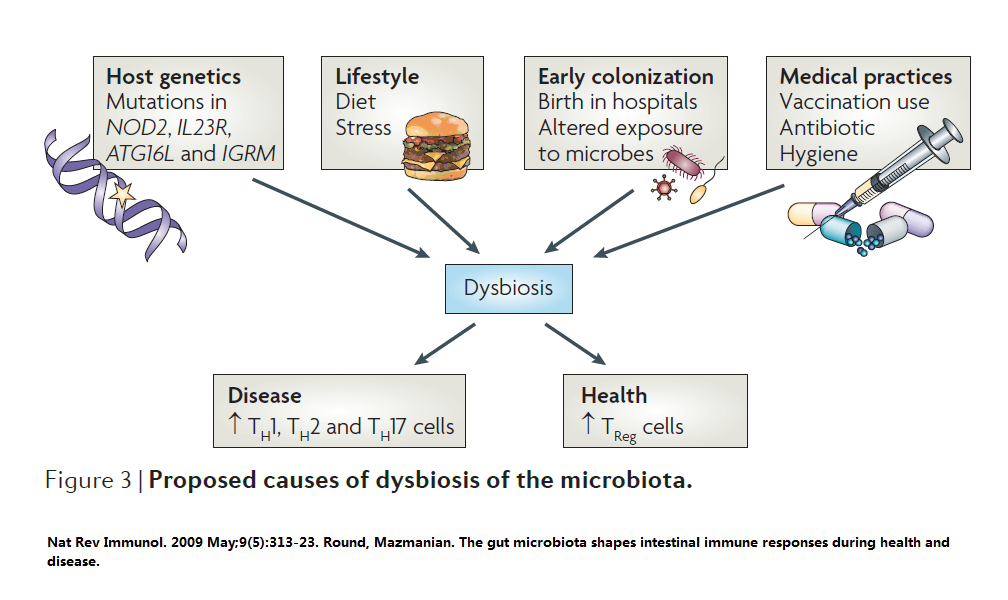
Proposed Causes of Dysbiosis of the Microbiota
Round, Mazmanian 2009
Source: PDF
Gut Feelings?

This is the final step in our 7-Step SIBO series!  Thank you for joining Tim Steele (aka tatertot) and I on this fantastic discussion and opening conversations about our wonderous and fascinating GUT AND OUR MICROCRITTERS!

Has everyone seen Tim's GUTS OF STEELE and assayed via 16S PCR amplification at the American Gut Project???


By now, I hope you have an appreciation for the impact and difference one single organ as simple as the gut can affect our overall health, longevity, digestion and day-to-day brain function.  More importantly, we dream that you feel more confident in identifying, addressing and fixing some of these intestinal issues.

I believe it is truly challenging to deal with all the modern factors that are the proposed causes of dysbiosis of the microbiota (see above)
-- low-grade gut infections (microbial overgrowths, parasites, etc)
-- unbalanced health and immune systems (lack of commensals -- Bifido, SFB, and soil based organisms)
-- our unique genetic vulnerabilities (e.g. HLA DQ2.5 for celiac; HLA B27 for alkylosing spondylitis)
-- lifestyle (lack of dirt exposures, stress, diet, sedentary atrophy, lack of sleep, livestock/dairy grade antibiotics, disjointed relationship with soil and farming)
-- early colonization of pathobionts (birth in hospitals, lack of breastfeeding, compromised maternal biota sources, toxic formula)
-- medical and dental practices (mercury amalgams, vaccines, antibiotics, hyperhygiene)


NO WONDER WE GET GI-F*KCRD
SO QUICKLY SO EASILY

Estimated Surface Area
of the
Small Intestines


Main Problem with the Small Intestines: GINORMOUS SURFACE AREA

Our small intestines are like head size -- very variable in size!  As we grow, our small intestines grow as we age just like our height or head size. Much is perhaps determined by nutrition by mom and factors after birth.  Our small intestines vary from 5 to 10 meters (average 6-7 m) -- 3-6 times our height.  Indeed by surface area, our small intestines trump even our skin for being the largest organ.

In comparison, the large intestines is only a fraction of the length of the small intestines at  ~1.5 m.

Unfortunately I believe this predisposes us mammals to inherent problems as we frequently encounter digestive disruptors such as all the ones listed above.  These factors in our post-modern industrial neolithic age bombard us from pre-birth, birth and upwards.

I'm grateful that we have simple strategies and technology to address all of the gut disruptors -- fermented foods, whole grains/tubers/legumes, RS, potato starch prebiotics, soil based probiotics, diet, yoga, functional medicine lab testing GDX 2200 stool, ONE organic acids, Am Gut, uBIOME, etc.
Small Intestines: 5-10 meters (~15- 30 feet)
Large Intestine: 1.5 meter (~5 feet)
Source: NYU EDU SIBO

Stressors, Coz We R Not Zebras

Mental stress directly impacts our gut function.  The vagal nerve (see below) innervates our organs including the gut from head to tail.  This nerve controls calm, cool, rest, repose and digestion.  Look how the connections go between our brain to our gut, neat?  80% of our serotonin, the happy transmitter, are generated here.  Melatonin, our sleep hormone, is then produced from serotonin. What is the first sign of stress?  Insomnia, no wonder.

Who doesn't have stress? Widespread cortisol dysregulation is documented in teenagers (Dr. Briffa).

Vagal Nerve Innervations: Head to Tail (Butt)
Source: Medscape


Gut Brain Adrenal Axis

What are the variety of stressors the human body experience?

Gut
 --Sources of stress: gluten, pathogenic organisms, viruses, yeasts, dysbiosis, not enough gastric acid, lack of commensals, refined not-whole-foods, GMO food

Adrenal Glands
--Sources of stress: mental, physical, traumatic, intrauterine

Brain
--Sources of stress: perceived, mental, fear, lack of trust, heightened super senses (hear, smell, touch, feel, taste, sense), future fears, past fears


Effects of Stress Breaks the Gut

Stress (cortisol) breaks open our gut, makes the TJs (tight junctions) leaky, and abruptly even changes our gut flora to more pathogenic populations while reducing the numbers of the good flora like Bifido.  Read more about the gut-breaking effects on the Gut-Brain-Axis HERE.

Let's take surgery as an example (top diagram).  Being cut open by a surgical knife, bleeding, opening arteries and veins are one of the most stressful procedures a person may endure.  With any minor or major stressor, the adrenal glands must put out cortisol and adrenaline. With major trauma (surgery) or mental stressor, buckets of cortisol are secreted to maintain homeostasis, blood glucose, heart rate, blood pressure, hormones, etc.

In different gut disorders and SIBO, slightly variable nervous system effects are observed.  Some conditions are more 'turned up' by the sympathetic nervous system (SNS/adrenaline/cortisol) than others.  Some conditions are more deficient or defective in the parasympathetic nervous system (PSNS/calm/oxytocin) than others.

How do you balance?


Adrenal Botanicals and Yoga

In both clinical practice and in studies, certain rhizomes, tubers, and herbs are shown to buffer and balance the function of the adrenal glands.  Recently Robb Wolf and Chris Kresser talked about adrenal function.  Prior animal pharm ADRENAL posts. The funniest physician on adrenal and hormone health is DR. SARA GOTTFRIED!  Love love love this grrrrrl.

My favorite brand of adrenal support is by Gaia Adrenal Health but many exist.  What works for you?  How do you know when your adrenals are f*kcered?  How do you fix it? Does your physician ignore it?

Yoga -- for me yoga is the best tool for putting the SNS to rest and to bring the PSNS back to up to snuff. I don't know why it works!  There are studies but none explain the deep, contemplative, and restorative properties that I get when I'm regularly doing yoga. If you are in adrenal dysregulation, I'd highly suggest considering avoiding ALL Bikram and other extreme activities. The high heat and extreme form (90 minutes of high intensity sweating) is actually super detrimental for marginally functioning adrenals.

Bionic Adrenals
By Yoga
Source: HERE


Stress

Other ways to tell if you're 'stressed' is FINGERPRINTS (hat tip: D'adamo).  Our height of our fingerprint ridges may reflect our gut health microvilli height.  We are aware that sometimes skin damage reflects gut damage and bacterial/fungal translocation and their respective toxins  (acne, rosacea, psoriasis (and here), eczema, etc).  More damage, flatter villi, flatter fingerprints, different whorl and loop patterns.

In celiac, with severe SIBO, see the white lines and flatness of the ridges? On a gluten-free diet, these improve.
Figure 2 (white lines on gluten/celiac) versus
Figure 3 (diminished white lines on gluten-free diet)
Source: David TJ et al, 1970


References

Small intestinal length: a factor essential for gut adaptation.
Weaver LT, Austin S, Cole TJ.
Gut. 1991 Nov;32(11):1321-3.

The relationship between intestinal microbiota and the central nervous system in normal gastrointestinal function and disease.  PDF free.
Collins SM, Bercik P.
Gastroenterology. 2009 May;136(6):2003-14.

Therapeutic considerations of L-glutamine: a review of the literature.
Miller AL.
Altern Med Rev. 1999 Aug;4(4):239-48.

Magnesium sulfate protects against the bioenergetic consequences of chronic glutamate receptor stimulation.
Clerc P, Young CA, Bordt EA, Grigore AM, Fiskum G, Polster BM.
PLoS One. 2013 Nov 13;8(11):e79982.

Psychological stress and corticotropin-releasing hormone increase intestinal permeability in humans by a mast cell-dependent mechanism.
Vanuytsel T, van Wanrooy S, Vanheel H, Vanormelingen C, Verschueren S, Houben E, Salim Rasoel S, Tóth J, Holvoet L, Farré R, Van Oudenhove L, Boeckxstaens G, Verbeke K, Tack J.
Gut. 2013 Oct 23.

A cross sectional study of dermatoglyphics and dental caries in Bengalee children.
Sengupta AB, Bazmi BA, Sarkar S, Kar S, Ghosh C, Mubtasum H.
J Indian Soc Pedod Prev Dent. 2013 Oct-Dec;31(4):245-8.

Dermatoglyphics in patients with dental caries: a study on 1250 individuals.
Abhilash PR, Divyashree R, Patil SG, Gupta M, Chandrasekar T, Karthikeyan R.
J Contemp Dent Pract. 2012 May 1;13(3):266-74.

The relation of bruxism and dermatoglyphics.
Polat MH, Azak A, Evlioglu G, Malkondu OK, Atasu M.
J Clin Pediatr Dent. 2000 Spring;24(3):191-4.

Saturday, November 30, 2013

HOW TO CURE SIBO, Small Intestinal Bowel Overgrowth: Step #6 Avoid allergenic foods (corn, soy, gluten/wheat, dairy, nuts, egg whites, etc). Avoid GMO products and livestock/poultry fed GMO crops (corn, soy, etc)

Photo credit: Heritage J. Nature, 2004.

HOW TO CURE SIBO/SIFO, Small Intestinal Bacterial/Fungal Overgrowth
(protocol)

Step #6 
Avoid allergenic foods (corn, soy, gluten/wheat, dairy, nuts, egg whites, etc)
Avoid GMO products and livestock/poultry fed GMO crops (corn, soy, etc) 


The worst offenders to your gut are allergens and things that shouldn't be eaten in the first place. Wheat, vegetable and seed oils, and chemical food additives are not fit for human consumption on a continuing basis! Once you've healed sufficiently, you may get away with eating Tiramisu and deep fried, breaded fish but until your gut is as tight as a nuns ass

Also, what's sauce for the goose is not always sauce for the gander! One person may do just fine eating corn, nuts, eggs, etc... but another may have terrible allergies.

From: LeakyGut website:
An allergy denotes an abnormal reaction by our immune system to bodily contact with foreign substances that would normally be harmless.

There are said to be four types of allergic response. Type I, which causes immediate reactions such as restricted breathing, asthma, anaphylactic shock is the most well known, but effects a minority of the population.

Leaky gut and food allergies often co-exist, food allergies or hypersensitivities can increase intestinal permeability, causing an immune response and provoking further inflammatory reactions throughout the body.

When someone initially comes into contact with an allergen, B lymphocytes (a type of white blood cell) produce antibodies to attack the perceived threat. There are five types of antibodies called immunoglobulins. IgG, IgM, IgA and IgD protect us by attaching to foreign particles making it easier for other immune cells to destroy them. IgE antibodies are responsible for allergic reactions. Everybody has IgE antibodies but an allergic person produces high levels of IgE antibodies to attack the allergens.

The IgE antibodies bind to mast cells (resident cells of connective tissues containing allergy mediators) and basophils (a type of white blood cell containing allergy mediators) located in human tissue. The next time the person comes into contact with the allergen the mast cells and basophils will release potent chemical mediators such as histamine causing an allergic reaction.

Typical allergic responses are: runny nose, itchy eyes, wheezing diarrhoea, swelling, vomiting, restricted airways, eczema, hives. Type I allergies can also cause anaphylaxis and even death. The most common substances to cause Type I allergies are: medicines, dog and cat fur, dust mites, mould, pollen, bee stings, but other substances can also cause reactions such as: certain fruits, perfumes, smoke, nuts and other food or environmental substances.

Without boring you to death, please, please take into account any allergies you may have to the foods you eat! This is one of those things you will need to seek a doctor's advice on if you think you may have an allergy--don't spin your wheels, get tested!


GMO's

The fear of genetically modified organisms in our food supply may be media driven, and it may also be impossible to avoid, but I think there is enough evidence that someone with a really bad gut should seek out ways to avoid GMO foods. It's not that hard when it comes to grains...corn, soy, and wheat are nearly all to be suspected of being a GMO--so don't eat them! Other things like sugar, rice, and potatoes may also be grown from GMO seed and it is almost impossible to know when buying them.

I will admit that I didn’t know much about the GMO connection to gut health before writing this. Embarrassingly, my first Google search turned up this amazing article on Horizontal Gene Transfer, that said [GRACE: Dude, that's funny]:
“Horizontal Gene Transfer. Does horizontal gene transfer (HGT) between DNA from consumed GMO corn and corn products to our gut microbiota occur? Another emphatic YES. How do you reverse it if your microbiota is transformed? I wish I knew... Bacteria and fungi live in biofilms and exchange DNA within the matrix. Like a meme gone viral. Evidence for both DNA and lectin proteins from GMO Bt corn has been found in animals and humans that consume Bt corn. The DNA was found to survive and persist for a long time in the gut/rumen.

Every pesticide corporation has a GMO Bt corn brand. Bt is a lectin (like gluten) and disrupts intestinal epithelium in susceptible victims which can lead to gut dysbiosis and/or death. It was very effective pesticide in the beginning.

Rootworms and other pests have rapidly shown field resistance to nearly every brand -- Syngenta's Agrisure and Monsatan's YieldGuard. Dupont/Dow's Herculex has not as much, therefore Monsatan has reported they are planning to incorporate Herculex to synthesize TWO TOXINS into their new SmartStax corn -- in an attempt to overcome inherent field resistance. GMO is brilliant, no?”

“Recently pesticides from Bt GMO crops were found in 80% of fetuses and 93% of adults (healthy pregnant) randomly tested in one Canadian study (Aris and Leblanc, Reproductive Toxicology, 2011). This herbicide is used as a topical spray as well genetically spliced into the DNA of GMO crops with promoters for high-copy amplification and expression of of a bacterial toxin bacillus thuringiensis (Bt). Bt toxin is also known as Cry1Ab protein. It is a gut specific delta-endotoxin which exerts toxicity through increasing larvae/insect intestinal permeability causing the death of crop pests like leaf- and needle-feeding caterpillars (lepidopteran insects --butterflies, moths), beetles (coleoptera--weevils, ladybugs, beetles), and the larvae (e.g. babies) of leaf-beetles. It has been designed to be toxic to mosquitoes (dipteran)now. Fun, no?

Has lateral transfer of Bt DNA to our gut bacteria and microbial communities already occurred (or at least the unborn and adult Canadians in Aris and Leblanc's study)? Are we transformed? Mutant gut-hybrids of GMO experiments gone awry?
Like advising pregnant moms to avoid fish and seafood to minimize exposure to bioaccumulation of mercury and other pollutants, the American Academy of Environment Medicine (AAEM) issued a GM Foods Position Paper on May 8, 2009 for everyone to avoid all GMO foods in their diets. Why such adamant recommendations for exclusive GM-free diet prescriptions?”


This incredibly insightful author goes on to describe a study in which GMO pesticides were shown to alter the microflora of mice
“In 1998 two scientists fed mice for two weeks potatoes (a) soaked for 30min in a dilute suspension of harvested Bt toxin (from bacterial spores grown in the lab; 1 g/L concentration), (b) transgenic Bt potatoes, and (c) control potatoes. Mild structural changes in the microvilli of the ileum of the transgenic GMO Bt potatoes were seen in. However in the Bt delta-endotoxin soaked potato-fed mice, the ileum changes were quite substantially greater in scale -- '...basal lamina along the base of the enterocytes was damaged at several foci. Several disrupted microvilli appeared in association with variable-shaped cytoplasmic fragments.' The authors further report 'in the group of mice fed on the delta -endotoxin-treated potatoes, the Paneth cells of the crypts of Lieberku¨hn were highly activated and contained a large number of secretory granules. These cells are believed to have an important role in the activation of phagocytes and controlling the bacterial flora of the gut (Ariza et al., 1996; Fawcett, 1997). They contain elevated levels of lysozyme in their large eosinophilic secretory granules, an enzyme capable of digesting bacterial cells walls, and antibacterial peptides called cryptdins (Junqueira et al., 1998). Ouellette (1997) revealed that Paneth cell secretory products seem to contribute both to innate immunity of the crypt lumen and to defining the apical environment of neighboring cells....The antimicrobial polypeptides of the Paneth cell secretory products kill a wide range of organisms, including bacteria, fungi, viruses and tumor cells (Aley et al., 1995).' Lysozymes are 'cutters' -- they cleave and cut things, for instance, tumour/cancer cells and cell walls of pathogens that take a ride in our food.
Damage to the ileum and small intestines can lead to changes in microbial population and the disorder known as SIBO (small intestinal bowel overgrowth). An expanding body of knowledge links SIBO with nearly every chronic systemic and skin disease seen in outpatient medicine.

Bt toxin appears to induce self-digestion -- (increased Paneth cell and lysozymal activity) and damage from the inside out. Lovely! And it is present in unborn children and adults.”


Read more: Geneticist David Suzuki Says Humans “Are Part Of A Massive Experiment”
 Hat tip: Todd LePine

Do dietary lectins cause disease?
Freed DL.
BMJ. 1999 Apr 17;318(7190):1023-4.