Showing posts with label Adrenals. Show all posts

Thursday, December 5, 2013

HOW TO CURE SIBO, Small Intestinal Bowel Overgrowth: Step #7 Heal hormones and immunity -- take adrenal support, liver support, antioxidants etc

Source: Miller, 1999
HOW TO CURE SIBO/SIFO, Small Intestinal Bacterial/Fungal Overgrowth (protocol):

Step #7 Heal hormones and immunity

Take adrenal support, liver support, antioxidants etc 

(I use biocurcumin and berberine to combine with anti-microbials/anti-parasitics). This is particularly imperative for those with reactive hypoglycemia and BG crashes when they go longer than 3-4 hours between meals.
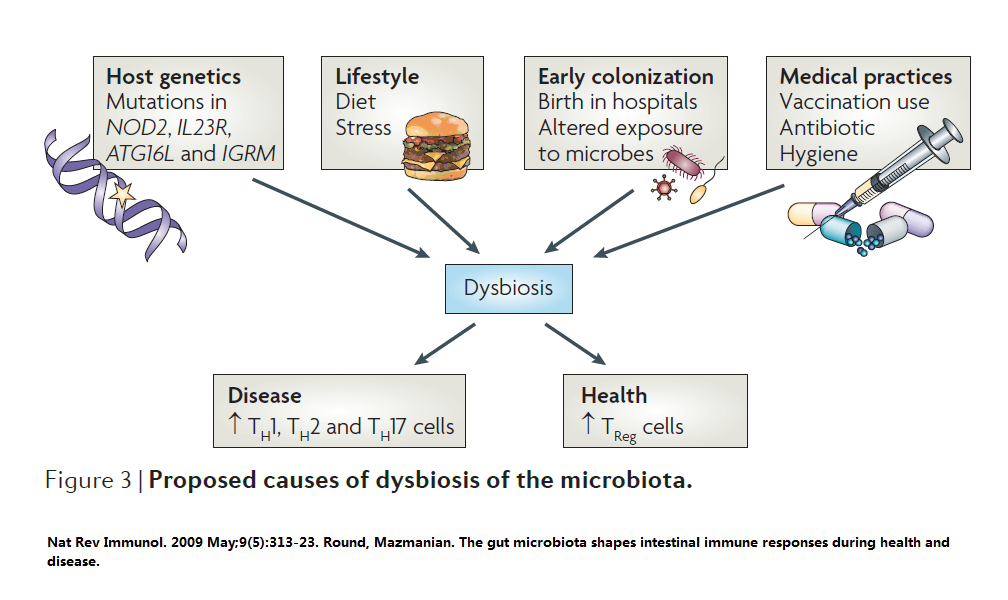

Proposed Causes of Dysbiosis of the Microbiota
Round, Mazmanian 2009
Source: PDF
Gut Feelings?

This is the final step in our 7-Step SIBO series!  Thank you for joining Tim Steele (aka tatertot) and I on this fantastic discussion and opening conversations about our wonderous and fascinating GUT AND OUR MICROCRITTERS!

Has everyone seen Tim's GUTS OF STEELE and assayed via 16S PCR amplification at the American Gut Project???


By now, I hope you have an appreciation for the impact and difference one single organ as simple as the gut can affect our overall health, longevity, digestion and day-to-day brain function.  More importantly, we dream that you feel more confident in identifying, addressing and fixing some of these intestinal issues.

I believe it is truly challenging to deal with all the modern factors that are the proposed causes of dysbiosis of the microbiota (see above)
-- low-grade gut infections (microbial overgrowths, parasites, etc)
-- unbalanced health and immune systems (lack of commensals -- Bifido, SFB, and soil based organisms)
-- our unique genetic vulnerabilities (e.g. HLA DQ2.5 for celiac; HLA B27 for alkylosing spondylitis)
-- lifestyle (lack of dirt exposures, stress, diet, sedentary atrophy, lack of sleep, livestock/dairy grade antibiotics, disjointed relationship with soil and farming)
-- early colonization of pathobionts (birth in hospitals, lack of breastfeeding, compromised maternal biota sources, toxic formula)
-- medical and dental practices (mercury amalgams, vaccines, antibiotics, hyperhygiene)


NO WONDER WE GET GI-F*KCRD
SO QUICKLY SO EASILY

Estimated Surface Area
of the
Small Intestines


Main Problem with the Small Intestines: GINORMOUS SURFACE AREA

Our small intestines are like head size -- very variable in size!  As we grow, our small intestines grow as we age just like our height or head size. Much is perhaps determined by nutrition by mom and factors after birth.  Our small intestines vary from 5 to 10 meters (average 6-7 m) -- 3-6 times our height.  Indeed by surface area, our small intestines trump even our skin for being the largest organ.

In comparison, the large intestines is only a fraction of the length of the small intestines at  ~1.5 m.

Unfortunately I believe this predisposes us mammals to inherent problems as we frequently encounter digestive disruptors such as all the ones listed above.  These factors in our post-modern industrial neolithic age bombard us from pre-birth, birth and upwards.

I'm grateful that we have simple strategies and technology to address all of the gut disruptors -- fermented foods, whole grains/tubers/legumes, RS, potato starch prebiotics, soil based probiotics, diet, yoga, functional medicine lab testing GDX 2200 stool, ONE organic acids, Am Gut, uBIOME, etc.
Small Intestines: 5-10 meters (~15- 30 feet)
Large Intestine: 1.5 meter (~5 feet)
Source: NYU EDU SIBO

Stressors, Coz We R Not Zebras

Mental stress directly impacts our gut function.  The vagal nerve (see below) innervates our organs including the gut from head to tail.  This nerve controls calm, cool, rest, repose and digestion.  Look how the connections go between our brain to our gut, neat?  80% of our serotonin, the happy transmitter, are generated here.  Melatonin, our sleep hormone, is then produced from serotonin. What is the first sign of stress?  Insomnia, no wonder.

Who doesn't have stress? Widespread cortisol dysregulation is documented in teenagers (Dr. Briffa).

Vagal Nerve Innervations: Head to Tail (Butt)
Source: Medscape


Gut Brain Adrenal Axis

What are the variety of stressors the human body experience?

Gut
 --Sources of stress: gluten, pathogenic organisms, viruses, yeasts, dysbiosis, not enough gastric acid, lack of commensals, refined not-whole-foods, GMO food

Adrenal Glands
--Sources of stress: mental, physical, traumatic, intrauterine

Brain
--Sources of stress: perceived, mental, fear, lack of trust, heightened super senses (hear, smell, touch, feel, taste, sense), future fears, past fears


Effects of Stress Breaks the Gut

Stress (cortisol) breaks open our gut, makes the TJs (tight junctions) leaky, and abruptly even changes our gut flora to more pathogenic populations while reducing the numbers of the good flora like Bifido.  Read more about the gut-breaking effects on the Gut-Brain-Axis HERE.

Let's take surgery as an example (top diagram).  Being cut open by a surgical knife, bleeding, opening arteries and veins are one of the most stressful procedures a person may endure.  With any minor or major stressor, the adrenal glands must put out cortisol and adrenaline. With major trauma (surgery) or mental stressor, buckets of cortisol are secreted to maintain homeostasis, blood glucose, heart rate, blood pressure, hormones, etc.

In different gut disorders and SIBO, slightly variable nervous system effects are observed.  Some conditions are more 'turned up' by the sympathetic nervous system (SNS/adrenaline/cortisol) than others.  Some conditions are more deficient or defective in the parasympathetic nervous system (PSNS/calm/oxytocin) than others.

How do you balance?


Adrenal Botanicals and Yoga

In both clinical practice and in studies, certain rhizomes, tubers, and herbs are shown to buffer and balance the function of the adrenal glands.  Recently Robb Wolf and Chris Kresser talked about adrenal function.  Prior animal pharm ADRENAL posts. The funniest physician on adrenal and hormone health is DR. SARA GOTTFRIED!  Love love love this grrrrrl.

My favorite brand of adrenal support is by Gaia Adrenal Health but many exist.  What works for you?  How do you know when your adrenals are f*kcered?  How do you fix it? Does your physician ignore it?

Yoga -- for me yoga is the best tool for putting the SNS to rest and to bring the PSNS back to up to snuff. I don't know why it works!  There are studies but none explain the deep, contemplative, and restorative properties that I get when I'm regularly doing yoga. If you are in adrenal dysregulation, I'd highly suggest considering avoiding ALL Bikram and other extreme activities. The high heat and extreme form (90 minutes of high intensity sweating) is actually super detrimental for marginally functioning adrenals.

Bionic Adrenals
By Yoga
Source: HERE


Stress

Other ways to tell if you're 'stressed' is FINGERPRINTS (hat tip: D'adamo).  Our height of our fingerprint ridges may reflect our gut health microvilli height.  We are aware that sometimes skin damage reflects gut damage and bacterial/fungal translocation and their respective toxins  (acne, rosacea, psoriasis (and here), eczema, etc).  More damage, flatter villi, flatter fingerprints, different whorl and loop patterns.

In celiac, with severe SIBO, see the white lines and flatness of the ridges? On a gluten-free diet, these improve.
Figure 2 (white lines on gluten/celiac) versus
Figure 3 (diminished white lines on gluten-free diet)
Source: David TJ et al, 1970


References

Small intestinal length: a factor essential for gut adaptation.
Weaver LT, Austin S, Cole TJ.
Gut. 1991 Nov;32(11):1321-3.

The relationship between intestinal microbiota and the central nervous system in normal gastrointestinal function and disease.  PDF free.
Collins SM, Bercik P.
Gastroenterology. 2009 May;136(6):2003-14.

Therapeutic considerations of L-glutamine: a review of the literature.
Miller AL.
Altern Med Rev. 1999 Aug;4(4):239-48.

Magnesium sulfate protects against the bioenergetic consequences of chronic glutamate receptor stimulation.
Clerc P, Young CA, Bordt EA, Grigore AM, Fiskum G, Polster BM.
PLoS One. 2013 Nov 13;8(11):e79982.

Psychological stress and corticotropin-releasing hormone increase intestinal permeability in humans by a mast cell-dependent mechanism.
Vanuytsel T, van Wanrooy S, Vanheel H, Vanormelingen C, Verschueren S, Houben E, Salim Rasoel S, Tóth J, Holvoet L, Farré R, Van Oudenhove L, Boeckxstaens G, Verbeke K, Tack J.
Gut. 2013 Oct 23.

A cross sectional study of dermatoglyphics and dental caries in Bengalee children.
Sengupta AB, Bazmi BA, Sarkar S, Kar S, Ghosh C, Mubtasum H.
J Indian Soc Pedod Prev Dent. 2013 Oct-Dec;31(4):245-8.

Dermatoglyphics in patients with dental caries: a study on 1250 individuals.
Abhilash PR, Divyashree R, Patil SG, Gupta M, Chandrasekar T, Karthikeyan R.
J Contemp Dent Pract. 2012 May 1;13(3):266-74.

The relation of bruxism and dermatoglyphics.
Polat MH, Azak A, Evlioglu G, Malkondu OK, Atasu M.
J Clin Pediatr Dent. 2000 Spring;24(3):191-4.

Sunday, March 24, 2013

Ancient Transporters: HDL and LDL Lipoproteins Carry Precious Cargo


The NCEP/ATP III Cholesterol Guidelines Bogus: 'Cholesterol Limits Lose Their Lustre'

Conventional medicine at this time uses Big Pharma-funded assessment and treatment guidelines which promote the use of statins as first line in order to 'treat' the LDL (goal less than 70, 100, or 130 mg/dl) to targets based on risk stratification, e.g. age, prior family history coronary events, low HDL, smoking and presence of hypertension.

What are the true root causes of these 'risk factors' in light of evolution (if you believe in evo)? Is LDL really 'bad'?

Indeed.

Hormonal havoc and energy balance dysregulation caused by neolithic excess of refined n-6 vegetable oils, high fructose GMO-corn syrup, intestinal permeability, refined carbohydrates, sugar, mercury/arsenic/lead/cadmium, gut dysbiosis, failures of vitamin/mineral absorption by the action of phytates and lectins, and endocrine-disrupting consequences of pesticides and other environmental persistent-organic toxins are more likely factors.

And they have nothing to do with LDL. Half of heart attacks occur in individuals where the LDL is already less than 70 mg/dl.

The old cholesterol guidelines NCEP/ATP-III  that were first put out over a decade ago are now being revamped.  Nature has a new article on the future NCEP/ATP-IV.


'Since 2002, when ATP III called on doctors to push LDL levels below set targets, the concept of low cholesterol has become synonymous with heart health. Patients brag about their cholesterol scores, physicians joke about adding statins to drinking water, and some hospitals reward doctors when patients hit cholesterol targets.'

~~~~~~~~~~~~~~~~~

LDL Affected by Apo E Alleles


Amount of LDL-C and LDL-P Determined by ApoE

We each individually and uniquely have widely varied lipoprotein patterns (LDL, TG, HDL) determined by our genetics, the microniche our ancestors evolved and survived in, and our apolipoprotein E. Apo E is mainly found in HDL and LDL particles but also free form in the circulation as well. It aids lipoprotein particles in docking up to cell membranes to unload contents into a destination cell or the liver.

Apo E determines the LDL-quantity. Three alleles for apoE exist and we each have 2 copies from a mix from our parents - E2, E3 or E4. ApoE to me is like a special key to unlock troubled doors. Those with E4 alleles have lipoproteins with the least apoE (perhaps true H-G, more cholesterol hung out longer in circulation).  Geographically the incidence of E4 rises toward a northern distribution in Europe, away from the equator.  Those with E2, more apoE (perhaps more agarian adapted).  Energy flux patterns and metabolism are mildly different: E4, more carbohydrate sensitive; E2, less.  

Many 'cardiac' rat models use apoE-deficient mice because these animals inevitably develop horrific plaque and atherosclerotic disease and blocked arteries, on high carb rat chow.

The lower the apo E alleles, the lower the total cholesterol [ref 2]. The researchers (above) demonstrate the LDL and HDL trend in parallel with total cholesterol and the higher the E.  Conversely, triglycerides grow higher, the lower the apo E.

It seems finally that the medical community be viewing the true science and questioning the BS.  If LDL is genetically determined by the apoE type and is a false coronary risk factor, then what is the true cause of coronary events, MIs, angina and plaque destabilization? 

Naturally if one is apoE 4/4 (rare), then one is likely to have the highest LDL amongst friends and aquaintances. Is it harmful? Depends. ApoE 4/4 are more likely to be HIGHLY insulin resistant, inflamed and carbohydrate sensitive. In the modern industrial environment where whole food, ancestrally-inclined meals are endangered species... perhaps.  

Are apoE 4/4 the true survivors of Earth? They are less likely to suffer from infections or starvation which were the major reasons for mortality outside of predation prior to neolithic times. Add to that vascular protection from Lp(a) from vitamin C-deficiency hemolysis and one has a winning combination for longevity given the right circumstances when inflammation is well regulated and gene-protein expression optimal. 

The higher the LDL, the higher the Lp(a), the better survival?


Size of LDL Determined by Diet and Lifestyles: Microecological Niche

Environment dictates the LDL-particle-size. Exercise, high saturated fat, cholesterol-intake, low carb, low fructose, low omega-6/omega-3 ratio and antioxidants/flavonoids are factors that high influence and create more large, buoyant, resistant-to-oxidation LDL-particle-sizes, despite apoE status.


LDL Less Than 70 mg/dL is Dangerous

So why are cardiac 'experts' prescribing a one-size-fits-all LDL goal of less than 70 mg/dl and statins for all individuals with heart disease, diabetes, aneurysms, chronic kidney disease, and other atherosclerotic equivalents?

Does this take into account apoE status and genetically-predetermined LDL amounts?

An LDL less than 70 mg/dl is not magic.  At TYP, very rarely did I observe CAC Agatson coronary artery calcification reversal.  Members were on potent statins or suppressed their LDL to (unnatural) goals of 60 mg/dl. 

Seth Roberts did achieve reversal, by consuming cholesterol (butter). No pharmaceuticals.

I have noticed countless, sad times where statins do nothing to regress or stop the progression plaque. In fact, they are associated with progression in 12 out 14 published coronary calcification studies.

Many studies show that statins are also highly associated with cancer, increased incidence of congestive heart failure (CHF), accidents, violent death, depression/suicide, and all-cause mortality.

Low cholesterol and low LDL, independently, additionally are significantly correlated to cancer, increased incidence of chronic heart failure and all-cause mortality.

Let's probe this... because statins lost their allure years ago for me.


Overview of Transporters

Every vital vitamin, hormone and steroid exists both 'free' and available in the blood circulatory system and bound to degrees to a transporter-protein. Some vitamins, hormones and steroids interact directly with receptors on cell membranes and other cases the transporter-protein interacts with receptors on cell membranes to translocate the vitamin, hormone or steroid into the cell. From the gut to the liver, food gets processed into free fatty acids, triglycerides (3 fatty acids attached to one sugar backbone) and bundled into particles with antioxidants for circulation and storage in peripheral tissues like the muscles, adipose, gonads, and adrenals.


Cholesterol

Every cell membrane is composed of cholesterol -- this is the asphalt and infracture of our communication highways. Another way to appreciate these conductors of electronic charge is to recognize that cholesterol in our cellular membranes is analogous to the DSL or Comcast cables of our high-speed computers, our brain and nervous systems.

How do 'dropped signals' feel? Perhaps your cholesterol is impaired?

Roles of cholesterol:
a) formation of cellular walls
b) formation of aldosterone (important for blood pressure regulation)
c) formation of the sex hormones
d) formation of Vitamin D
e) formation of bile to eliminate and recycle wasted and precious fat-soluble molecules
f)  formation of corticosteroids which are involved with glucose regulation and suppressing inflammation

g) formation of steroidal derivatives including the vital and potent antioxidant Ubiquinol/ CoenzymeQ10
h) antioxidant with scavenger functions for harmful microbial endotoxins


Without cholesterol, humans cannot survive, brain and organ function deteriorate, and eventually cancer and other inflammatory conditions are triggered. Without sufficient cholesterol, cortisol, testosterone, progesterone, estrogens and other potent steroidal hormones cannot be made.


Statins Lower Testosterone

As one would expect, statin pharmaceuticals which block the rate-limiting enzyme for cholesterol production in the liver and all extrahepatic sites (e.g. BRAIN, ADRENALS, TESTICLES, etc), HMG-CoA reductase, are highly associated in reduction of total testosterone and subsequent low testosterone signs and symptoms [ref 3-9].

Low testosterone is also considered a risk factor for heart disease due to the inflammatory state that occurs including obesity, metabolic syndrome, hyperinsulinemia, poor immunity and diabetes[ref 7]. I question the prudence in the strategy behind initiating a statin and potentially lowering testosterone further, thereby inducing yet another cardiac risk factor.  Would you like to be a eunuch?

Diabetic eunuch?  Chuckle with Peter at Hyperlipid: 
Sta'ins, CoQ, diabetes and Dr Andreas Eenfeldt's link


Ancient Transporters

Our lymphatics and blood vessels form the highways that transport nutrition, oxygen and necessary constituents for organ maintenance and rebuilding. They also remove wastes, CO2 and recycled cellular parts and spent steroid hormones for elimination via the gut or 'recycling' via enterohepatic recirculation.

How are antioxidants, pro-vitamins, vitamins, pro-hormones and hormones from our food and endocrine glands/tissues carried to the peripheral sites? Ancient tranports have evolved (if you believe in evolution) in all living systems for the role of carrying these items to the appropriate target tissues.

Vitamin A (retinol): free and bound to RBP (retinol-binding protein)
Vitamin D (cholecalciferol): free and bound to VDBP (vitamin D binding protein, aka Gc globulin)
Estrogen (E1 E2 E3): free and bound to SHBG (sex-hormone binding globulin) and EBP (estrogen-binding protein)
Testosterone, DHT: free and bound to SHBG and ABP (androgen-binding protein)
Progesterone: free and bound to SHBG and PBP (progesterone-binding protein)
DHEA: free and bound in HDL particles
Cortisol: free and bound to CBP (cortisol binding protein)

Ubiquinol/CoQ10:  bound in HDL and LDL
Menaquinones (MK4 to 9; vitamin K2):  bound in HDL and LDL
Retinoids (vitamin A):  bound in HDL and LDL
Carotenoids (vitamin A): bound in HDL and LDL
Tocopherols, tocotrienols (vitamin E): bound in HDL and LDL
Minerals - iodine zinc selenium copper: Free form and bound in HDL and LDL
Cholesterol: Free form and bound as Esters in HDL and LDL


See prior animal pharm: LDL, HDL Transporters


Purpose of LDL and HDL Transporters: Evo Perspective

Lipid transport and delivery systems existed in the earliest animals including insects. Our lipoprotein systems are not that dissimilar [ref 1]. Fat-soluble nutrients like cholesterol, carotenoids, vitamin E and coenzyme Q10 would form a two-layered oil-vinegar like concoction in our blood circulatory system if it were not for specialized transporters for fat-like substances.

HDLs are much more compact and smaller in size than LDL. They fit between the gap and communication junctions in the endothelium (lining of blood vessels). Whereas, LDL particles are larger and barely fit between normal gap junctions of endothelium. If the LDL particles however are 'small' their purpose is different. They are more oxidizable and denser. This tighter conformation allows movement into damaged endothelium and traumatized and inflammed tissues to provide ammunitions for macrophages to do their work and relinquish the waste and end products for disposal. I don't read French (see below if you do).

Once HDL and LDL are done, they can re-enter the blood stream, return to the liver for future processing.


Ubiquinol Protects Against Failure of the Heart and All Organs

Ubiquinol is lowered by statins since ubiquinol and its derivatives are cholesterol structures [ref 19]. Unfortunately ubiquinol is necessary in all cells and mitochondria where it serves a role as mandatory antioxidant and a recycling nazi [16-18]. Low ubiquinol in the blood is associated with faster progression of heart failure [ref 17].

Statins lower the LDL contents of ubiquinol and all fat-soluble nutrients, vitamin E and carotenoids. Does this have consequences?

Prior animal pharm: Role of Ubiquinol


Higher the Cholesterol, Higher the CHF Survivorship


Our understanding of survival and the evolution of insulin resistance provides the foundation to understand the causes of all diseases of modern civilizations including CHF. The studies bear this out in which the higher glucose and higher insulin resistance, the higher the association to mortality in CHF [ref 12-16]. Interestingly several studies demonstrate the lower the cholesterol, the higher the CHF mortality. Some clinicians raised the potential risks of statins in light of these adverse outcomes in individuals with CHF [ref 31].

In patients with progressive CHF, their LDL are all small packages which can barely hold vital antioxidants like ubiquinol. Add a statin which deplete the crucial functioning ubiquinol for pumping heart muscles, spelling catastrophe.


Low Cholesterol Associated With Increased Cancer Incidence: 17-Year Basel Study 

The prospective 17-year Basel study showed a 2-7 fold increase in cancer mortality in males at various cancer sites with low serum cholesterol. This study confirms what some of the other cancer epidemiology studies have already shown. Researchers tested blood from 2974 participants stored from 1971-1973. Co-founders such as vitamin blood levels were adjusted for in the analysis.

Quality will always trump quantity of LDL.


Prior animal pharm: Cardio Controversies -- Tale of 2 LDLs


Carcinogenicity of Statins: The Lower the Final LDL, the Higher Cancer Rate


Finally the statin and lipid-lowering drug trials themselves have demonstrated that the lower the cholesterol, the higher mortality from cancer in a meta-analysis in JACC, 2007 by Alsheikh-Ali et al [ref 27]. Plotting final LDL with cancer, the graph depicts a firm association between the lower the LDL and increased cancer incidences.


References:

1. Circulatory lipid transport: lipoprotein assembly and function from an evolutionary perspective.
Van der Horst DJ, Roosendaal SD, Rodenburg KW.
Mol Cell Biochem. 2009 Jun;326(1-2):105-19.

2. Modulation of plasma triglyceride levels by apoE phenotype: a meta-analysis.
Dallongeville J, Lussier-Cacan S, Davignon J.
J Lipid Res. 1992 Apr;33(4):447-54.

3. The Effect of Statin Therapy on Testosterone Levels in Subjects Consulting for Erectile Dysfunction.
Corona G, Boddi V, Balercia G, Rastrelli G, De Vita G, Sforza A, Forti G, Mannucci E, Maggi M.
J Sex Med. 2010 Feb 5. [Epub ahead of print]

4. A multi-center, open label, crossover designed prospective study evaluating the effects of lipid lowering treatment on steroid synthesis in patients with Type 2 diabetes (MODEST Study).
Kanat M, Serin E, Tunckale A, Yildiz O, Sahin S, Bolayirli M, Arinc H, Dirican A, Karagoz Y, Altuntas Y, Celebi H, Oguz A.
J Endocrinol Invest. 2009 Nov;32(10):852-6. Epub 2009 Sep 11.

5. Statin therapy is associated with lower total but not bioavailable or free testosterone in men with type 2 diabetes.
Stanworth RD, Kapoor D, Channer KS, Jones TH.
Diabetes Care. 2009 Apr;32(4):541-6. Epub 2008 Dec 29.PMID: 19114614 [PubMed - indexed for MEDLINE]Free PMC ArticleFree text

6. Do statins affect androgen levels in men? Results from the Boston area community health survey.
Hall SA, Page ST, Travison TG, Montgomery RB, Link CL, McKinlay JB.
Cancer Epidemiol Biomarkers Prev. 2007 Aug;16(8):1587-94.PMID: 17684132 [PubMed - indexed for MEDLINE]Free Article

7. Evaluation of the male reproductive organs after treatment with continuous sustained delivery of statin for fracture healing.
Adah F, Benghuzzi H, Tucci M, Russell G, Tsao A, Olivier J, England B.
Biomed Sci Instrum. 2005;41:54-61.

8. Effects of high-dose simvastatin on adrenal and gonadal steroidogenesis in men with hypercholesterolemia.
Dobs AS, Schrott H, Davidson MH, Bays H, Stein EA, Kush D, Wu M, Mitchel Y, Illingworth RD.
Metabolism. 2000 Sep;49(9):1234-8.

9. Testosterone deficiency: a risk factor for cardiovascular disease?
Jones TH.
Trends Endocrinol Metab. 2010 Apr 6.

10. The dark side of testosterone deficiency: III. Cardiovascular disease.
Traish AM, Saad F, Feeley RJ, Guay A.
J Androl. 2009 Sep-Oct;30(5):477-94. Epub 2009 Apr 2. Review.

11. Better memory functioning associated with higher total and low-density lipoprotein cholesterol levels in very elderly subjects without the apolipoprotein e4 allele.
West R, Beeri MS, Schmeidler J, Hannigan CM, Angelo G, Grossman HT, Rosendorff C, Silverman JM.
Am J Geriatr Psychiatry. 2008 Sep;16(9):781-5.

12. [Cholesterol and glucose levels belong to independent predictors of death and hospitalizations in patients with chronic systolic heart failure]
Smetanina IN, Deev AD, Gratsianskiĭ NA.
Kardiologiia. 2007;47(8):12-6. Russian.

13. The relationship between cholesterol and survival in patients with chronic heart failure.
Rauchhaus M, Clark AL, Doehner W, Davos C, Bolger A, Sharma R, Coats AJ, Anker SD.
J Am Coll Cardiol. 2003 Dec 3;42(11):1933-40.

14. Impaired insulin sensitivity as an independent risk factor for mortality in patients with stable chronic heart failure.
Doehner W, Rauchhaus M, Ponikowski P, Godsland IF, von Haehling S, Okonko DO, Leyva F, Proudler AJ, Coats AJ, Anker SD.
J Am Coll Cardiol. 2005 Sep 20;46(6):1019-26.

15. The relationship between cholesterol and survival in patients with chronic heart failure.
Rauchhaus M, Clark AL, Doehner W, Davos C, Bolger A, Sharma R, Coats AJ, Anker SD.
J Am Coll Cardiol. 2003 Dec 3;42(11):1933-40.

16. Coenzyme Q10: an independent predictor of mortality in chronic heart failure.
Molyneux SL, Florkowski CM, George PM, Pilbrow AP, Frampton CM, Lever M, Richards AM.
J Am Coll Cardiol. 2008 Oct 28;52(18):1435-41.

17. Coenzyme Q10 and statins: biochemical and clinical implications.
Littarru GP, Langsjoen P.
Mitochondrion. 2007 Jun;7 Suppl:S168-74. Epub 2007 Mar 27. Review.

18. Bioenergetic and antioxidant properties of coenzyme Q10: recent developments.
Littarru GP, Tiano L.
Mol Biotechnol. 2007 Sep;37(1):31-7. Review.

19. The clinical use of HMG CoA-reductase inhibitors and the associated depletion of coenzyme Q10. A review of animal and human publications.
Langsjoen PH, Langsjoen AM.
Biofactors. 2003;18(1-4):101-11. Review.

20. Effects of diet and simvastatin on serum lipids, insulin, and antioxidants in hypercholesterolemic men: a randomized controlled trial.
Jula A, Marniemi J, Huupponen R, Virtanen A, Rastas M, Rönnemaa T.
JAMA. 2002 Feb 6;287(5):598-605.

21. Ubiquinol-10 protects human low density lipoprotein more efficiently against lipid peroxidation than does alpha-tocopherol.
Stocker R, Bowry VW, Frei B.
Proc Natl Acad Sci U S A. 1991 Mar 1;88(5):1646-50.

22. Serum lipid and antioxidant responses in hypercholesterolemic men and women receiving plant sterol esters vary by apolipoprotein E genotype.
Sanchez-Muniz FJ, Maki KC, Schaefer EJ, Ordovas JM.

J Nutr. 2009 Jan;139(1):13-9. Epub 2008 Dec 3.

23. [A new property of known proteins: specific binding of thyroid hormones by human plasma apolipoproteins] [apoE]
Sviridov OV.
Biokhimiia. 1994 May;59(5):625-38. Review. Russian.

24. High-density lipoproteins can act as carriers of glycophosphoinositol lipid-anchored CD59 [protectin] in human plasma.
Väkevä A, Jauhiainen M, Ehnholm C, Lehto T, Meri S.
Immunology. 1994 May;82(1):28-33.

25. LDL isolated from plasma-loaded red wine procyanidins resist lipid oxidation and tocopherol depletion.
Lourenço CF, Gago B, Barbosa RM, de Freitas V, Laranjinha J.
J Agric Food Chem. 2008 May 28;56(10):3798-804. Epub 2008 May 3.

26. Comparative antioxidant activity of tocotrienols and other natural lipid-soluble antioxidants in a homogeneous system, and in rat and human lipoproteins.
Suarna C, Hood RL, Dean RT, Stocker R.
Biochim Biophys Acta. 1993 Feb 24;1166(2-3):163-70.

27. Effect of the magnitude of lipid lowering on risk of elevated liver enzymes, rhabdomyolysis, and cancer: insights from large randomized statin trials.
Alsheikh-Ali AA, Maddukuri PV, Han H, Karas RH.
J Am Coll Cardiol. 2007 Jul 31;50(5):409-18.

28. Carcinogenicity of lipid-lowering drugs.
Newman TB, Hulley SB.
JAMA. 1996 Jan 3;275(1):55-60. Review.

29. Use of hydroxy-methyl-glutaryl coenzyme A reductase inhibitors is associated with risk of lymphoid malignancies.
Iwata H, Matsuo K, Hara S, Takeuchi K, Aoyama T, Murashige N, Kanda Y, Mori S, Suzuki R, Tachibana S, Yamane M, Odawara M, Mutou Y, Kami M.
Cancer Sci. 2006 Feb;97(2):133-8.

30. Coenzyme Q10: clinical benefits with biochemical correlates suggesting a scientific breakthrough in the management of chronic heart failure.
Mortensen SA, Vadhanavikit S, Muratsu K, Folkers K.
Int J Tissue React. 1990;12(3):155-62. Review.

31. Statins in the treatment of chronic heart failure: biological and clinical considerations.
van der Harst P, Voors AA, van Gilst WH, Böhm M, van Veldhuisen DJ.
Cardiovasc Res. 2006 Aug 1;71(3):443-54. Epub 2006 Apr 27. Review.

32. Schurgers LJ, Vermeer C.
Differential lipoprotein transport pathways of K-vitamins in healthy subjects. 
Biochim Biophys Acta 2002;1570:27–32. [PubMed]