Wednesday, January 22, 2014

Two Case Studies -- Diarrhea-IBS and Constipation-IBS and GI Fx Stool Test: Overgrowth of Pathobiont Klebsiella, Fungi Rhodotorula and super-low commensal Clostridia

Here is a functional medicine case -- 5 year old austic boy with constipation-IBS (credit: GDX Diagnostics)

Klebsiella oxytoca + Fungal Rhodotorula
Small Intestine Overgrowth
Credit: GDX Diagnostics

Buttloads of Butyrate flooding the whole body
Due to SIBO/SIFO


Per GDX/Metametrix:
  • Here we find an even more severe overgrowth of K. oxytoca. Note that the assay is able to keep on  counting target genomes over many orders of magnitude. Here the oxytoca is present at 1.48 x 10⁹ /gm, and  this child also shows concurrent extremely high levels of Rhodotorula sp. Incidence of Rhodotorula in our results is higher that from culture techniques, probably because it is identified microscopically, but grows poorly in usual culture media. 
  • Plenty of metabolic activity is shown by the abundant SCFA and balanced percentages. Note the normal level of Lactoferrin, showing lack of inflammatory involvement currently in this patient with very active IBS due to profound microbial overgrowth. The immune barrier is weakened as shown by low sIgA. 
  • Antibacterials and antifungals according to sensitivities. Immune support with glutamine (consider colostrums) and glutathione. Investigate food intolerances to lower the loading of GALT 


My assessment from the data on the GI FX stool test:
  1. Overgrowth of pathobiont Klebsiella oxytoca (likely including small intestinal location)
  2. Fungal overgrowth of Rhodotorula
  3. Low commensal Clostridia (should be MUCH MUCH higher)
  4. Low fecal sIgA (immunocompromised)
  5. SUPER HIGH BUTYRATE and other SCFAs (because a SUPER BOWL FERMENTATION PARTY is going on in the small intestines and possibly colon due to inappropriate bacterial overgrowths)
  6. Poor mood, poor sleep, possible anxiety secondary to dysbiosis-related failure of tryptophan to be synthesized to serotonin and serotonin to melatonin. 80-95% of serotonin are produced in the gut.  Dysbiosis affects gut conversion of tyrosine to dopamine.


C-IBS needs tons of weeding weeding weeding......................................

And replenishment and repopulation of SBO commensals/fermented foods, basically the 7-Steps to cure intestinal permeability and SIBO/SIFO, small intestine bacterial and fungal overgrowth.

How does this occur? After a round of gastroenteritis or antibiotics, the commensal organisms and fungi that safeguard our gut domain are reduced in number. The pathogenic strains emerge without these.  Soon yeasts, fungi and aggressive bacterial take root in places that are normally kept clear. The small intestines are a frail target -- only one cell layer thick.  Full of moisture, oxygen, intermittently constant food, and a rich blood supply.  Once fungi or bacterial take hold, food can no longer be digested well.  The GI barrier becomes broken down.

For the host, bloating or brain fog are frequent symptoms.


Here are my thoughts on the spectrum of hyper-permeability/leaky gut/SIBO/SIFO symptoms:

(a) Mildly Intolerant (gas, bloating, constipation, diarrhea, heartburn, ulcers, mental fog, cavities, enamel defects, nutritional deficiencies, anemia, vitamin B12 deficiency, hair loss, low thyroid, food cravings)

(b) Moderate (depression, anxious, allergies, ADHD, autism/spectrum, cardiovascular disease, Type 2 diabetes, osteoporosis, bone fractures, PCOS, fibroids, miscarriages, nerve pain, seizures, joint arthritis)

(c) Severe (failure to thrive, weight loss, weight gain, rashes, mood swings, infertility, migraines, bloody stools, bipolar, psychiatric disorders, alcoholism, cancer, autoimmune diseases, T1DM, celiac, rheumatoid arthritis).


In autism and other spectrum conditions, the gut-brain axis is broken.  In many cases, autism is reversed once the gut is fixed and no longer spilling out undigested food particles (gluten, casein) which resemble body proteins and other proteins of microbial origins.  In this case, like many spectrum cases, both bacterial and fungal overgrowths are present and the absent of commensals such as Clostridia. The problem in this C-IBS (constipation dominant IBS) case is not insufficient butyrate, but actually food fermenting excessively in the small intestines by 'regular/good' bacteria in the inappropriate place. Once a commensal grows aggressively, it can switch to a pathobiont status, exploring and invading an ecological niche.

One of the benefits of the 7-Steps to cure SIBO/SIFO that it is aligned to our ancestral heritage and tight association with the soil and abundant earth.  The earth not only feeds us with crops and herds but is the 'horticulture' that also provide wonderful organisms that serve to maintain the 'lawn of our gut' by weeding, weeding and weeding [hat tip: Brent Pottenger and here is his stellar gut GDX GI FX testing].


The benefits of SBOs (soil based organisms) are:
--they are the key apex predators that control the growth of smaller critters and predators in the gut ecosystem
--weed out and decrease populations of pathogens
--secrete antifungals
--secrete antimicrobials
--tighten up loose intestinal junctions in hyper-permeability
--eat fiber (soluble, insolube fiber and resistant starches)
--provide food and gases for bottom feeders
--ferment fiber into butyrate which is an antimicrobial
--make butyrate which is a potent agonist for GPR41 receptors which immunomodulate and control inflammation
--improve immunity which improve food intolerances, asthma/allergies and (for me) gluten and dairy allergies
--associated with reversed autoimmune diseases (prior animal pharm)


Case Study (Credit: FTA):

Alex W. 
I’d like to add a success story here. Last August, just a week after starting graduate school, I came down with an intense bout of IBS-D (to keep it clean). Not unusual, as I’ve had the flu before. But this ‘flu’ did not stop, and stranger things began to happen. I developed tinnitus, neuropathy, dizziness, fatigue, muscle twitches and my sleep was terrible. 6 weeks later, I had lost 25 pounds (that I didn’t need to lose) and I was barely able to get out of bed. A colonoscopy, endoscopy, stool examination, countless blood tests and specialists later and still no answers. I took a medical leave from my program, and had to return to my home in California because I was no longer able to take care of myself.
It was around this time that I began experimenting with SCD and GAPS style diets. They did prove to help with some symptoms, but not all, and not with much speed. In fact, I would say that I got worse on these diets, as my sleep became a struggle, and that set everything back. Supplements like Vitamin C, Colostrum and DGL helped but were definitely not the answer, either. It was late December, and I had to make the call whether or not I was going back to school. I decided to go back out of desperation for wanting to be better, without really having made any progress. Not a wise decision, but I got lucky.
It was just two weeks ago, just at the start of the semester, that I began to follow the advice of Dr. BG over at Animal Pharm blog on correcting SIBO, as well as the advice here about resistant starch. I am so, so glad to say that I am 90% back to normal. My tinnitus is almost gone, my muscle twitching is nearly gone, my sleep is incredibly better. I can finally go back to teaching and researching without fears of passing out in the middle of class. The two biggest factors in my success was the inclusion of properly prepared starches (in Perfect Health Diet amounts) and supplementing with potato starch and psyllium husk twice a day.
I can’t speak for all the other successes and failures when it comes to variable carb intakes, potato starch supplementation and general paleo-style eating, but it worked for me. So thank you Tim, Rich, Grace and everyone else who’s been posting about this stuff. I’m not shitting you (har har) when I say that you saved my young life.


Have you had success with the 7-Steps?
What are the challenges?
Are you seeing improvements and optimization of gut/brain/muscle/genitalia??

I can't wait to hear your stories...

Wednesday, January 8, 2014

More Nematodes, Soil Bacteria, and Glowing in the Dark Wounds Observed in the American Civil Wars


Why Some Civil War Soldiers Glowed in the Dark

Source: Mental_Floss
Hat tip: Keith Bell; Dr. D'Adamo

Below from Matt Soniak

[***the soil based organism SBO discussed here is found in Prescript Assist]


By the spring of 1862, a year into the American Civil War, Major General Ulysses S. Grant had pushed deep into Confederate territory along the Tennessee River. In early April, he was camped at Pittsburg Landing, near Shiloh, Tennessee, waiting for Maj. Gen. Don Carlos Buell’s army to meet up with him.

On the morning of April 6, Confederate troops based out of nearby Corinth, Mississippi, launched a surprise offensive against Grant’s troops, hoping to defeat them before the second army arrived. Grant’s men, augmented by the first arrivals from the Ohio, managed to hold some ground, though, and establish a battle line anchored with artillery. Fighting continued until after dark, and by the next morning, the full force of the Ohio had arrived and the Union outnumbered the Confederates by more than 10,000.

The Union troops began forcing the Confederates back, and while a counterattack stopped their advance it did not break their line. Eventually, the Southern commanders realized they could not win and fell back to Corinth until another offensive in August (for a more detailed explanation of the battle, see this animated history).

All told, the fighting at the Battle of Shiloh left more than 16,000 soldiers wounded and more 3,000 dead, and neither federal or Confederate medics were prepared for the carnage.

The bullet and bayonet wounds were bad enough on their own, but soldiers of the era were also prone to infections. Wounds contaminated by shrapnel or dirt became warm, moist refuges for bacteria, which could feast on a buffet of damaged tissue. After months marching and eating field rations on the battlefront, many soldiers’ immune systems were weakened and couldn’t fight off infection on their own. Even the army doctors couldn’t do much; microorganisms weren’t well understood and the germ theory of disease and antibiotics were still a few years away. Many soldiers died from infections that modern medicine would be able to nip in the bud.

A BRIGHT SPOT

Some of the Shiloh soldiers sat in the mud for two rainy days and nights waiting for the medics to get around to them. As dusk fell the first night, some of them noticed something very strange: their wounds were glowing, casting a faint light into the darkness of the battlefield. Even stranger, when the troops were eventually moved to field hospitals, those whose wounds glowed had a better survival rate and had their wounds heal more quickly and cleanly than their unilluminated brothers-in-arms. The seemingly protective effect of the mysterious light earned it the nickname “Angel’s Glow.”

In 2001, almost one hundred and forty years after the battle, seventeen-year-old Bill Martin was visiting the Shiloh battlefield with his family. When he heard about the glowing wounds, he asked his mom - a microbiologist at the USDA Agricultural Research Service who had studied luminescent bacteria that lived in soil - about it.

“So you know, he comes home and, 'Mom, you're working with a glowing bacteria. Could that have caused the glowing wounds?’” Martin told Science Netlinks. “And so, being a scientist, of course I said, ‘Well, you can do an experiment to find out.’”

And that’s just what Bill did.

He and his friend, Jon Curtis, did some research on both the bacteria and the conditions during the Battle of Shiloh. They learned that Photorhabdus luminescens, the bacteria that Bill’s mom studied and the one he thought might have something to do with the glowing wounds, live in the guts of parasitic worms called nematodes, and the two share a strange lifecycle. Nematodes hunt down insect larvae in the soil or on plant surfaces, burrow into their bodies, and take up residence in their blood vessels. There, they puke up the P. luminescens bacteria living inside them. Upon their release, the bacteria, which are bioluminescent and glow a soft blue, begin producing a number of chemicals that kill the insect host and suppress and kill all the other microorganisms already inside it. This leaves P. luminescens and their nematode partner to feed, grow and multiply without interruptions.

As the worms and the bacteria eat and eat and the insect corpse is more or less hollowed out, the nematode eats the bacteria. This isn’t a double cross, but part of the move to greener pastures. The bacteria re-colonize the nematode’s guts so they can hitch a ride as it bursts forth from the corpse in search of a new host.

The next meal shouldn’t be hard to find either, since P. luminescens already sent them an invitation to the party. Just before they got got back in their nematode taxi, P. luminescens were at critical mass in the insect corpse, and scientists think that that many glowing bacteria attract other insects to the body and make the nematode’s transition to a new host much easier.

A GOOD LIGHT

Looking at historical records of the battle, Bill and Jon figured out that the weather and soil conditions were right for both P. luminescens and their nematode partners. Their lab experiments with the bacteria, however, showed that they couldn’t live at human body temperature, making the soldiers’ wounds an inhospitable environment. Then they realized what some country music fans already knew: Tennessee in the spring is green and cool. Nighttime temperatures in early April would have been low enough for the soldiers who were out there in the rain for two days to get hypothermia, lowering their body temperature and giving P. luminescens a good home.

Based on the evidence for P. luminescens’s presence at Shiloh and the reports of the strange glow, the boys concluded that the bacteria, along with the nematodes, got into the soldiers’ wounds from the soil. This not only turned their wounds into night lights, but may have saved their lives. The chemical cocktail that P. luminescens uses to clear out its competition probably helped kill off other pathogens that might have infected the soldiers’ wounds. Since neither P. luminescens nor its associated nematode species are very infectious to humans, they would have soon been cleaned out by the immune system themselves (which is not to say you should be self-medicating with bacteria; P. luminescens infections can occur, and can result in some nasty ulcers). The soldiers shouldn’t have been thanking the angels so much as the microorganisms.

As for Bill and Jon, their study earned them first place in team competition at the 2001 Intel International Science and Engineering Fair.

Thursday, January 2, 2014

Two C elegans Articles and Two Success Cases With The 7-Steps To Cure SIBO

Appears Just Like Human Dysbiosis/SIFO/SIBO
Worms need microbes too: microbiota, health
and aging in Caenorhabditis elegans
Cabreiro, Gems, 2013


Worms need microbes too: microbiota, health and aging in Caenorhabditis elegans.
Cabreiro F, Gems D.
EMBO Mol Med. 2013 Sep;5(9):1300-10.


Worms as Human Aging Models and Worm SIFO/SIBO

Humans are one of the highest form of eukaryotes and worms, the simplest, most elegant.  C. elegans nematodes have nearly the full suite of homolog nuclear receptors, IGF, insulin, and  AMPK pathways. They have a gut microbiota as well and mutualistic health of the microbiota mirrors their longevity.  Careiro and Gems discuss in the above article how bacterial proliferation of the nematode gut highly correlates with reduced immunity and aging.  While the relationship is mutualistic, both microbes and host benefit.  The microbes have a happy home, warmth and food.  For the worm host, the gains are immeasurable -- happy immunity, vitamins/minerals and longevity. One of the best growth media for C elegans is B subtilis, the soil based organism I talk a lot about. When growth media are switched out to bacteria which are less mutualistic (like pure E. coli), the nematodes have a very short life. Blockages of the lumen occur; worm constipation and something analogous to mammalian SIFO/SIBO.  When the media has a natural SBO like B subtilis, the nematodes thrive, have no signs of aging or bacterial proliferation and demonstrate notable worm longevity.  Any intervention in fact that prevents bacterial proliferation (SIFO/SIBO) extends lifespans they reveal.  Makes sense, no?

Two of my favorite probiotics contain B subtilis (Prescript Assist and AMD Syntol). Foods that contain B subtilis include any ancestrally prepared and fermented foods that include both protein and starch: gochujang, natto, fermented black bean sauce, Thai shrimp sauces, etc.

Prior Animal Pharm:

  • Cure SIBO Step #1 Eat Fermented Foods (Guest Post by Tim Steele 'Tater')
  • Korean Pepper Paste [B. subtilis etc] Burns Body Fat, Soil-Based Organisms (SBO), Gut Microbiota -- New Study 'Kochujang, fermented soybean-based red pepper paste, decreases visceral fat and improves blood lipid profiles in overweight adults'
  • Gut I.Q. and the Distal Gut Microbiome as a Driver of Health and Disease
  • Why We Are Sick and Fat: Calories In (SUPERORGANISM) = Calories Out (MICROBIOTA) + Calories Out (HUMAN) + HEAT*Fluxxx


Gut microbiota as a candidate for lifespan extension: an ecological/evolutionary perspective targeted on living organisms as metaorganisms.Ottaviani E, Ventura N, Mandrioli M, Candela M, Franchini A, Franceschi C.
Biogerontology. 2011 Dec;12(6):599-609.


Worms, Change in Hunter-Gatherer Existence and Extended Families

The second article discusses how in the Neolithic only 10,000 years ago, humans were faced with even more pathogens than ever by living in close quarters with both other humans and livestock.  Without a resilient immune system and evolving gene polymorphisms, we could not have survived.  "With the introduction of agriculture and animal husbandry, food resources became more abundant and constant and, for the first time in human history, the population size dramatically increased." The authors theorize that if it were not for improved immunity via the gut microbiota humans would not have been able to the endure the high antigenic and pathogen load.  I think this is true.  The lectins and phytates from dietary sources were one challenge and the pathogens like worms, malaria, plague, mites, and other fun things were yet another hurdle. Hemochromatosis, cystic fibrosis, increased salivary alpha-amylases might have been some of the adaptations that survived.

"The support of grandmothers in the nourishment of children allowed more pregnancies in the daughters, and thus a greater reproductive fitness."   Having two children myself, I can support their theory that post-menopausal female longevity was certainly favored for perhaps many reasons including processing grains (soaking, fermenting), preparing fermented vegetables and foods, farming and other tasks for feeding young, dependent children.  There were so many tired nights raising the little kiddies. Certainly, I would not have been able to survive the post-natal years without my children's grandparents from BOTH SIDES. LOL

"Furthermore, symbiont intestinal microorganisms provided a strategic fitness advantage for the human beings living the Neolithic agricultural revolution by protecting the host from pathogen colonization and enhancing the plasticity of the immune system. Finally, dietary change in the Neolithic agricultural societies due to agricultural practice likely induced a substantial re-adaptation of GM [gut microbiota], favouring microbial communities capable to ferment these new complex polysaccharides to short chain fatty acids (Hehemann et al. 2010)."

Who are your symbionts? Are they extinct? Do you respect them? Are you doing things that favor their growth?   Have you weeded? Seeded your gut microbiota? Feeding and breeding your symbionts in luxury and abundance?


Success Cases with SBO Probiotics and the 7-Steps
I'm grateful for Tim and Richard at FTA for starting the conversations on gut ecosystems, fiber and health optimization.  Thanks for directing people over here to the 7-Steps To Cure SIBO/SIFO.

Happy New Year to my kind readers~!!  Thank you for sharing your wonderful stories.  I love U and love hearing them all.


Case A: After 3 weeks of SBO + FIBER/RS + Gut Rehab -- Reversal of Sjogren's Auto-Antibodies (Chromatin, SSB-LA, ANA)
Anonymous was taking 3 months of PS but no changes until SBO probiotics were taken. In only 3 weeks with taking Primal Defense and Prescript Assist three times per day, she reported her autoimmune Sjogren's disease to be completely 100% 'cured'.  Three noxious auto-antibodies (SSB-LA, Chromatin, ANA) normalized or returned to near normal.
"My fingernails are clear and my cold fingers are gone. Oh, I didn't want to tell you this just yet. But my Sjogren's antibody (SSB-LA) turned negative last week! That's after being on the RS/Probiotics regimen for only 3 weeks! I was on RS since August, however. Also, one of the incipient lupus antibody that I tested positive (Chromatin) turned negative this time! My ANA is positive but with very low titer (1:40). That's the lowest I ever tested and even normal people test at that level. My rheumatologist will be confused!

If this holds up, and I'm hoping it does, I have cured an autoimmune disease. No symptoms and no antibody: that's a 100% cure. Not just remission. Being antibody-negative is not supposed to be possible, right? Whither molecular mimicry and eternal damnation, I mean, eternal autoimmune tissue attack? You mean, that's contolled by the microbiome, too? So much for Dr. Fassano and leaky gut (which I now realize seem to have been a foil ... it happens but the underlying condition seems to be gut dysbiosis and bacteria).

Wow, I gotta try this on my aunt who also has Sjogren's and my cousin who has Lupus. Thanks so much guys. This is not what modern medicine says is possible!"
--Anonymous


Case B:  After SBO, Fermented Food + FIBER/RS + Gut Rehab -- Reversal of Pain, Poor Mood, and Fibromyalgia
From Alexander Hardy (Ajmhardy)
"Just thought I’d add to the noise here- I’ve had a set of health problems that differs from most people using RS on this site, namely persistent and intense anxiety, as well as adrenal and sleep problems due to going VLC for a few months. I’ve also had fibromyalgia for the past year now, and I could not get it to go away for the longest time. After reading Richard’s and Tim’s posts here, I added RS to my diet (which already included fermented foods, good meats, and lots of vegetables), and my symptoms have started to improve for the first time since I started feeling the pain.

They have not gone away completely yet, but my mood and the pain have gotten so much better that for the first time in a year, I completely forgot I had fibromyalgia yesterday for almost the entire day. I cannot thank you guys enough for putting in the tremendous amount of work that you do to spread the word about resistant starch... 


A note to anyone who may be reading this in hopes of helping their fibromyalgia- it took me a solid month of having dr bg.’s bionic RS and straight potato starch (total 8 TSP potato starch a day) to finally feel the pain subside, and I would guess it could take some people many months to get the same relief I got, depending on the state of their gut.

So don’t give up if this doesn’t work within a month, and make sure to include the things that I consumed before I added the potato starch- dulse (for iodine), vitamin d and K supplements, as well as N-acetylcysteine , sauerkraut, kimchi, gochujang, variety of greens and other veggies, sweet potatoes and potatoes, magnesium and zinc supplements, prescription assist, and fish oil pills."

--Ajmhardy // Dec 24, 2013 at 23:31

Wednesday, December 18, 2013

Crowd-Sourced Science n=4

Allan Folz's Gut Microbiome Study, n=4


I *heart* science and I love places like indiegogo which encourage all kinds of experimentation and projects whether it's techno or food-related.  It's truly a brilliant evolution.

Allan Folz and his family of 4 are doing a gut microbiota study: Resistant Starch & Gut Biome Family Science Project for six weeks, testing pre- and post-microbiome.  Allan cultures his own viili heirloom yogurt, a type of Swedish or Finnish yogurt. As we know yogurt that has live probiotics has many health benefits for us. One study in rodents showed that yogurt with live cultures improved 'rodent swagger', leaner body mass, and testicular size in males and improved fertility (brood size) and nesting instincts (successful weaning) in female rodents. "Mice That Eat Yogurt Have Larger Testicles", Scientific American, 2012.


Besides contributing to the first RS n=4 study with pre- and post-microbiome 16S rRNA pyrrosequencing outcomes,  first-tier funding ($250) for this crowd-sourced experimentation includes a personal tour of Oregon Wine Country in Yamhill County and a hand written thank you.


Allan's goal:
(1) The goal of this project is to measure and compare the effects of resistant starch dose-responses on gut biome in as reasonably controlled a manner as possible by selecting an otherwise typical and healthy family that lives and eats together.
(2) A secondary goal of this project is to provide a proof-of-concept and, perhaps, a template for future crowd-sourced, small-scale diet and health experiments.


Study Design:

Purchased two "Microbes for Four" swab kits from the American Biome Project.

Provided a stool swab -- 2 children, 2 adults

Over the course of a 6 week study period food journal will be maintained for each participant and provide a daily diet supplement of resistant starch in the form of Bob's Red Mill Unmodified Potato Starch. Each participant will follow a unique supplementation regimen:

a) adult 1 - 2 TBSP PS mixed in water, consumed on an empty stomach

b) adult 2 - 4 TBSP PS mixed in water, consumed on an empty stomach

c) child 1 - 1 TBSP PS  plus 1 TSP whole psyllium husk mixed into yogurt

d) child 2 - 1 TBSP PS mixed into yogurt

At the conclusion of the study period the four test subjects will provide a second stool swab for comparison purposes. The lab results from both swabs will be shared publicly on the internet.

Allan: Our current diet is almost entirely home-cooked meals somewhere between primal/paleo-ish and WAPF. None of us has supplemented with potato starch previously. We do eat, a few times a week up to almost daily, an heirloom strain of viili yogurt that I culture myself. More details, including a fairly typical week of meals for us are recorded at the project blog.


Microbiome 16S rRNA pyrrosequencing Testing: PRE v. POST

Additional testing depends on several factors: funding, information garnered and availability.  AmGut is wonderful and provides the bacterial and Archae enteroprofiling. On the other hand, functional medicine laboratory testing provides valuable information about the other gut ecosystem including profiling for fungi, parasites, worms and pathogenic overgrowths, as well digestive enzyme capacities and pH.

Disclaimer: I am working for Allan!


Sample food diary  (follow up HERE)

Food Journal: Thurs, Dec 12
Breakfast:
Child 1 - 2 eggs scrambled, melted cheese on top; yogurt w/ granola
Child 2 - ditto
Adult 1 - coffee & half-n-half
Adult 2 - coffee & half-n-half

Lunch:
Child 1 - don't know
Child 2 - don't know
Adult 1 - yogurt w/ granola; 2 egg omelet w/ deli ham; 1 corn tortilla
Adult 2 - ditto

Dinner:
All - roasted pork loin; brown rice, cabbage, onion, etc; sliced up fresh pineapple on the side

Evening snack:
1 c Milk & 6 squares (~0.7oz) 85% dk chocolate

Thursday, December 5, 2013

HOW TO CURE SIBO, Small Intestinal Bowel Overgrowth: Step #7 Heal hormones and immunity -- take adrenal support, liver support, antioxidants etc

Source: Miller, 1999
HOW TO CURE SIBO/SIFO, Small Intestinal Bacterial/Fungal Overgrowth (protocol):

Step #7 Heal hormones and immunity

Take adrenal support, liver support, antioxidants etc 

(I use biocurcumin and berberine to combine with anti-microbials/anti-parasitics). This is particularly imperative for those with reactive hypoglycemia and BG crashes when they go longer than 3-4 hours between meals.


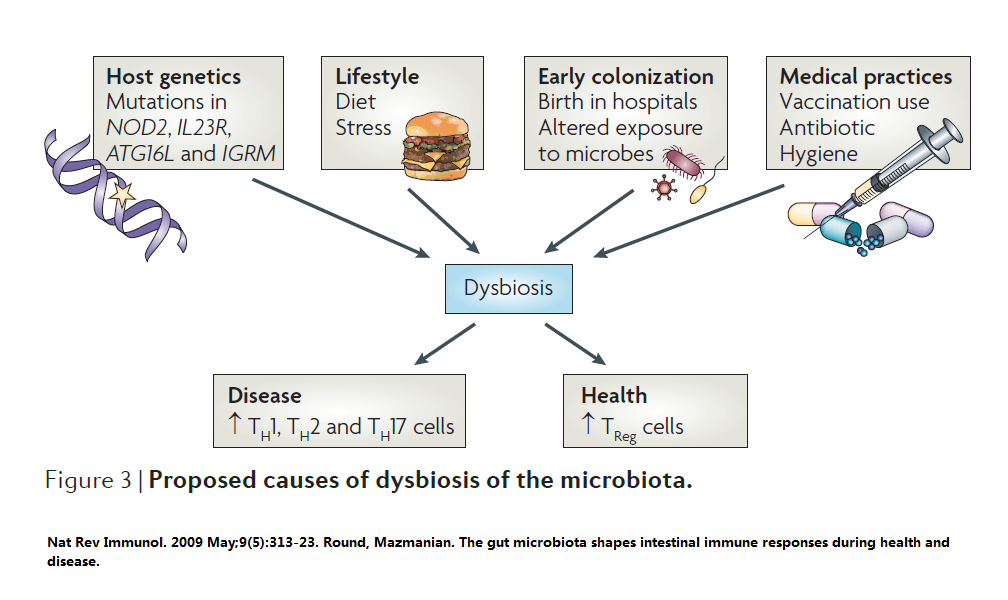
Proposed Causes of Dysbiosis of the Microbiota
Round, Mazmanian 2009
Source: PDF
Gut Feelings?

This is the final step in our 7-Step SIBO series!  Thank you for joining Tim Steele (aka tatertot) and I on this fantastic discussion and opening conversations about our wonderous and fascinating GUT AND OUR MICROCRITTERS!

Has everyone seen Tim's GUTS OF STEELE and assayed via 16S PCR amplification at the American Gut Project???


By now, I hope you have an appreciation for the impact and difference one single organ as simple as the gut can affect our overall health, longevity, digestion and day-to-day brain function.  More importantly, we dream that you feel more confident in identifying, addressing and fixing some of these intestinal issues.

I believe it is truly challenging to deal with all the modern factors that are the proposed causes of dysbiosis of the microbiota (see above)
-- low-grade gut infections (microbial overgrowths, parasites, etc)
-- unbalanced health and immune systems (lack of commensals -- Bifido, SFB, and soil based organisms)
-- our unique genetic vulnerabilities (e.g. HLA DQ2.5 for celiac; HLA B27 for alkylosing spondylitis)
-- lifestyle (lack of dirt exposures, stress, diet, sedentary atrophy, lack of sleep, livestock/dairy grade antibiotics, disjointed relationship with soil and farming)
-- early colonization of pathobionts (birth in hospitals, lack of breastfeeding, compromised maternal biota sources, toxic formula)
-- medical and dental practices (mercury amalgams, vaccines, antibiotics, hyperhygiene)


NO WONDER WE GET GI-F*KCRD
SO QUICKLY SO EASILY

Estimated Surface Area
of the
Small Intestines


Main Problem with the Small Intestines: GINORMOUS SURFACE AREA

Our small intestines are like head size -- very variable in size!  As we grow, our small intestines grow as we age just like our height or head size. Much is perhaps determined by nutrition by mom and factors after birth.  Our small intestines vary from 5 to 10 meters (average 6-7 m) -- 3-6 times our height.  Indeed by surface area, our small intestines trump even our skin for being the largest organ.

In comparison, the large intestines is only a fraction of the length of the small intestines at  ~1.5 m.

Unfortunately I believe this predisposes us mammals to inherent problems as we frequently encounter digestive disruptors such as all the ones listed above.  These factors in our post-modern industrial neolithic age bombard us from pre-birth, birth and upwards.

I'm grateful that we have simple strategies and technology to address all of the gut disruptors -- fermented foods, whole grains/tubers/legumes, RS, potato starch prebiotics, soil based probiotics, diet, yoga, functional medicine lab testing GDX 2200 stool, ONE organic acids, Am Gut, uBIOME, etc.
Small Intestines: 5-10 meters (~15- 30 feet)
Large Intestine: 1.5 meter (~5 feet)
Source: NYU EDU SIBO

Stressors, Coz We R Not Zebras

Mental stress directly impacts our gut function.  The vagal nerve (see below) innervates our organs including the gut from head to tail.  This nerve controls calm, cool, rest, repose and digestion.  Look how the connections go between our brain to our gut, neat?  80% of our serotonin, the happy transmitter, are generated here.  Melatonin, our sleep hormone, is then produced from serotonin. What is the first sign of stress?  Insomnia, no wonder.

Who doesn't have stress? Widespread cortisol dysregulation is documented in teenagers (Dr. Briffa).

Vagal Nerve Innervations: Head to Tail (Butt)
Source: Medscape


Gut Brain Adrenal Axis

What are the variety of stressors the human body experience?

Gut
 --Sources of stress: gluten, pathogenic organisms, viruses, yeasts, dysbiosis, not enough gastric acid, lack of commensals, refined not-whole-foods, GMO food

Adrenal Glands
--Sources of stress: mental, physical, traumatic, intrauterine

Brain
--Sources of stress: perceived, mental, fear, lack of trust, heightened super senses (hear, smell, touch, feel, taste, sense), future fears, past fears


Effects of Stress Breaks the Gut

Stress (cortisol) breaks open our gut, makes the TJs (tight junctions) leaky, and abruptly even changes our gut flora to more pathogenic populations while reducing the numbers of the good flora like Bifido.  Read more about the gut-breaking effects on the Gut-Brain-Axis HERE.

Let's take surgery as an example (top diagram).  Being cut open by a surgical knife, bleeding, opening arteries and veins are one of the most stressful procedures a person may endure.  With any minor or major stressor, the adrenal glands must put out cortisol and adrenaline. With major trauma (surgery) or mental stressor, buckets of cortisol are secreted to maintain homeostasis, blood glucose, heart rate, blood pressure, hormones, etc.

In different gut disorders and SIBO, slightly variable nervous system effects are observed.  Some conditions are more 'turned up' by the sympathetic nervous system (SNS/adrenaline/cortisol) than others.  Some conditions are more deficient or defective in the parasympathetic nervous system (PSNS/calm/oxytocin) than others.

How do you balance?


Adrenal Botanicals and Yoga

In both clinical practice and in studies, certain rhizomes, tubers, and herbs are shown to buffer and balance the function of the adrenal glands.  Recently Robb Wolf and Chris Kresser talked about adrenal function.  Prior animal pharm ADRENAL posts. The funniest physician on adrenal and hormone health is DR. SARA GOTTFRIED!  Love love love this grrrrrl.

My favorite brand of adrenal support is by Gaia Adrenal Health but many exist.  What works for you?  How do you know when your adrenals are f*kcered?  How do you fix it? Does your physician ignore it?

Yoga -- for me yoga is the best tool for putting the SNS to rest and to bring the PSNS back to up to snuff. I don't know why it works!  There are studies but none explain the deep, contemplative, and restorative properties that I get when I'm regularly doing yoga. If you are in adrenal dysregulation, I'd highly suggest considering avoiding ALL Bikram and other extreme activities. The high heat and extreme form (90 minutes of high intensity sweating) is actually super detrimental for marginally functioning adrenals.

Bionic Adrenals
By Yoga
Source: HERE


Stress

Other ways to tell if you're 'stressed' is FINGERPRINTS (hat tip: D'adamo).  Our height of our fingerprint ridges may reflect our gut health microvilli height.  We are aware that sometimes skin damage reflects gut damage and bacterial/fungal translocation and their respective toxins  (acne, rosacea, psoriasis (and here), eczema, etc).  More damage, flatter villi, flatter fingerprints, different whorl and loop patterns.

In celiac, with severe SIBO, see the white lines and flatness of the ridges? On a gluten-free diet, these improve.
Figure 2 (white lines on gluten/celiac) versus
Figure 3 (diminished white lines on gluten-free diet)
Source: David TJ et al, 1970


References

Small intestinal length: a factor essential for gut adaptation.
Weaver LT, Austin S, Cole TJ.
Gut. 1991 Nov;32(11):1321-3.

The relationship between intestinal microbiota and the central nervous system in normal gastrointestinal function and disease.  PDF free.
Collins SM, Bercik P.
Gastroenterology. 2009 May;136(6):2003-14.

Therapeutic considerations of L-glutamine: a review of the literature.
Miller AL.
Altern Med Rev. 1999 Aug;4(4):239-48.

Magnesium sulfate protects against the bioenergetic consequences of chronic glutamate receptor stimulation.
Clerc P, Young CA, Bordt EA, Grigore AM, Fiskum G, Polster BM.
PLoS One. 2013 Nov 13;8(11):e79982.

Psychological stress and corticotropin-releasing hormone increase intestinal permeability in humans by a mast cell-dependent mechanism.
Vanuytsel T, van Wanrooy S, Vanheel H, Vanormelingen C, Verschueren S, Houben E, Salim Rasoel S, Tóth J, Holvoet L, Farré R, Van Oudenhove L, Boeckxstaens G, Verbeke K, Tack J.
Gut. 2013 Oct 23.

A cross sectional study of dermatoglyphics and dental caries in Bengalee children.
Sengupta AB, Bazmi BA, Sarkar S, Kar S, Ghosh C, Mubtasum H.
J Indian Soc Pedod Prev Dent. 2013 Oct-Dec;31(4):245-8.

Dermatoglyphics in patients with dental caries: a study on 1250 individuals.
Abhilash PR, Divyashree R, Patil SG, Gupta M, Chandrasekar T, Karthikeyan R.
J Contemp Dent Pract. 2012 May 1;13(3):266-74.

The relation of bruxism and dermatoglyphics.
Polat MH, Azak A, Evlioglu G, Malkondu OK, Atasu M.
J Clin Pediatr Dent. 2000 Spring;24(3):191-4.

Saturday, November 30, 2013

HOW TO CURE SIBO, Small Intestinal Bowel Overgrowth: Step #6 Avoid allergenic foods (corn, soy, gluten/wheat, dairy, nuts, egg whites, etc). Avoid GMO products and livestock/poultry fed GMO crops (corn, soy, etc)

Photo credit: Heritage J. Nature, 2004.

HOW TO CURE SIBO/SIFO, Small Intestinal Bacterial/Fungal Overgrowth
(protocol)

Step #6 
Avoid allergenic foods (corn, soy, gluten/wheat, dairy, nuts, egg whites, etc)
Avoid GMO products and livestock/poultry fed GMO crops (corn, soy, etc) 


The worst offenders to your gut are allergens and things that shouldn't be eaten in the first place. Wheat, vegetable and seed oils, and chemical food additives are not fit for human consumption on a continuing basis! Once you've healed sufficiently, you may get away with eating Tiramisu and deep fried, breaded fish but until your gut is as tight as a nuns ass

Also, what's sauce for the goose is not always sauce for the gander! One person may do just fine eating corn, nuts, eggs, etc... but another may have terrible allergies.

From: LeakyGut website:
An allergy denotes an abnormal reaction by our immune system to bodily contact with foreign substances that would normally be harmless.

There are said to be four types of allergic response. Type I, which causes immediate reactions such as restricted breathing, asthma, anaphylactic shock is the most well known, but effects a minority of the population.

Leaky gut and food allergies often co-exist, food allergies or hypersensitivities can increase intestinal permeability, causing an immune response and provoking further inflammatory reactions throughout the body.

When someone initially comes into contact with an allergen, B lymphocytes (a type of white blood cell) produce antibodies to attack the perceived threat. There are five types of antibodies called immunoglobulins. IgG, IgM, IgA and IgD protect us by attaching to foreign particles making it easier for other immune cells to destroy them. IgE antibodies are responsible for allergic reactions. Everybody has IgE antibodies but an allergic person produces high levels of IgE antibodies to attack the allergens.

The IgE antibodies bind to mast cells (resident cells of connective tissues containing allergy mediators) and basophils (a type of white blood cell containing allergy mediators) located in human tissue. The next time the person comes into contact with the allergen the mast cells and basophils will release potent chemical mediators such as histamine causing an allergic reaction.

Typical allergic responses are: runny nose, itchy eyes, wheezing diarrhoea, swelling, vomiting, restricted airways, eczema, hives. Type I allergies can also cause anaphylaxis and even death. The most common substances to cause Type I allergies are: medicines, dog and cat fur, dust mites, mould, pollen, bee stings, but other substances can also cause reactions such as: certain fruits, perfumes, smoke, nuts and other food or environmental substances.

Without boring you to death, please, please take into account any allergies you may have to the foods you eat! This is one of those things you will need to seek a doctor's advice on if you think you may have an allergy--don't spin your wheels, get tested!


GMO's

The fear of genetically modified organisms in our food supply may be media driven, and it may also be impossible to avoid, but I think there is enough evidence that someone with a really bad gut should seek out ways to avoid GMO foods. It's not that hard when it comes to grains...corn, soy, and wheat are nearly all to be suspected of being a GMO--so don't eat them! Other things like sugar, rice, and potatoes may also be grown from GMO seed and it is almost impossible to know when buying them.

I will admit that I didn’t know much about the GMO connection to gut health before writing this. Embarrassingly, my first Google search turned up this amazing article on Horizontal Gene Transfer, that said [GRACE: Dude, that's funny]:
“Horizontal Gene Transfer. Does horizontal gene transfer (HGT) between DNA from consumed GMO corn and corn products to our gut microbiota occur? Another emphatic YES. How do you reverse it if your microbiota is transformed? I wish I knew... Bacteria and fungi live in biofilms and exchange DNA within the matrix. Like a meme gone viral. Evidence for both DNA and lectin proteins from GMO Bt corn has been found in animals and humans that consume Bt corn. The DNA was found to survive and persist for a long time in the gut/rumen.

Every pesticide corporation has a GMO Bt corn brand. Bt is a lectin (like gluten) and disrupts intestinal epithelium in susceptible victims which can lead to gut dysbiosis and/or death. It was very effective pesticide in the beginning.

Rootworms and other pests have rapidly shown field resistance to nearly every brand -- Syngenta's Agrisure and Monsatan's YieldGuard. Dupont/Dow's Herculex has not as much, therefore Monsatan has reported they are planning to incorporate Herculex to synthesize TWO TOXINS into their new SmartStax corn -- in an attempt to overcome inherent field resistance. GMO is brilliant, no?”

“Recently pesticides from Bt GMO crops were found in 80% of fetuses and 93% of adults (healthy pregnant) randomly tested in one Canadian study (Aris and Leblanc, Reproductive Toxicology, 2011). This herbicide is used as a topical spray as well genetically spliced into the DNA of GMO crops with promoters for high-copy amplification and expression of of a bacterial toxin bacillus thuringiensis (Bt). Bt toxin is also known as Cry1Ab protein. It is a gut specific delta-endotoxin which exerts toxicity through increasing larvae/insect intestinal permeability causing the death of crop pests like leaf- and needle-feeding caterpillars (lepidopteran insects --butterflies, moths), beetles (coleoptera--weevils, ladybugs, beetles), and the larvae (e.g. babies) of leaf-beetles. It has been designed to be toxic to mosquitoes (dipteran)now. Fun, no?

Has lateral transfer of Bt DNA to our gut bacteria and microbial communities already occurred (or at least the unborn and adult Canadians in Aris and Leblanc's study)? Are we transformed? Mutant gut-hybrids of GMO experiments gone awry?
Like advising pregnant moms to avoid fish and seafood to minimize exposure to bioaccumulation of mercury and other pollutants, the American Academy of Environment Medicine (AAEM) issued a GM Foods Position Paper on May 8, 2009 for everyone to avoid all GMO foods in their diets. Why such adamant recommendations for exclusive GM-free diet prescriptions?”


This incredibly insightful author goes on to describe a study in which GMO pesticides were shown to alter the microflora of mice
“In 1998 two scientists fed mice for two weeks potatoes (a) soaked for 30min in a dilute suspension of harvested Bt toxin (from bacterial spores grown in the lab; 1 g/L concentration), (b) transgenic Bt potatoes, and (c) control potatoes. Mild structural changes in the microvilli of the ileum of the transgenic GMO Bt potatoes were seen in. However in the Bt delta-endotoxin soaked potato-fed mice, the ileum changes were quite substantially greater in scale -- '...basal lamina along the base of the enterocytes was damaged at several foci. Several disrupted microvilli appeared in association with variable-shaped cytoplasmic fragments.' The authors further report 'in the group of mice fed on the delta -endotoxin-treated potatoes, the Paneth cells of the crypts of Lieberku¨hn were highly activated and contained a large number of secretory granules. These cells are believed to have an important role in the activation of phagocytes and controlling the bacterial flora of the gut (Ariza et al., 1996; Fawcett, 1997). They contain elevated levels of lysozyme in their large eosinophilic secretory granules, an enzyme capable of digesting bacterial cells walls, and antibacterial peptides called cryptdins (Junqueira et al., 1998). Ouellette (1997) revealed that Paneth cell secretory products seem to contribute both to innate immunity of the crypt lumen and to defining the apical environment of neighboring cells....The antimicrobial polypeptides of the Paneth cell secretory products kill a wide range of organisms, including bacteria, fungi, viruses and tumor cells (Aley et al., 1995).' Lysozymes are 'cutters' -- they cleave and cut things, for instance, tumour/cancer cells and cell walls of pathogens that take a ride in our food.
Damage to the ileum and small intestines can lead to changes in microbial population and the disorder known as SIBO (small intestinal bowel overgrowth). An expanding body of knowledge links SIBO with nearly every chronic systemic and skin disease seen in outpatient medicine.

Bt toxin appears to induce self-digestion -- (increased Paneth cell and lysozymal activity) and damage from the inside out. Lovely! And it is present in unborn children and adults.”


Read more: Geneticist David Suzuki Says Humans “Are Part Of A Massive Experiment”
 Hat tip: Todd LePine

Do dietary lectins cause disease?
Freed DL.
BMJ. 1999 Apr 17;318(7190):1023-4.

Wednesday, November 27, 2013

HOW TO CURE SIBO, Small Intestinal Bowel Overgrowth: Step #5 Exercise low-moderate intensity one hour daily continuously (10,000 steps) to move the gut/peristalsis and overcome broken myenteric musculo-neuro junctions

EHP Sept 2013 (Modified)
The Environment Within: Exploring the Role of the Gut Microbiome in Health and Disease

Step #5. Exercise low-moderate intensity one hour daily continuously (10,000 steps) to move the gut/peristalsis and overcome broken myenteric musculo-neuro junctions


Dr. BG's 7-Steps Paleo* Gastro IQ SIBO Protocol
HOW TO CURE SIBO, SMALL BOWEL INTESTINAL OVERGROWTH

1. Fermented veggies made the ancient way with organic dirt-covered vegetables, ex. kraut, kvass, kim chee, kefir, etc. Read Sandor Katz.
2. Ancient heirloom potatoes, tubers, roots that are low glycemic index (or high if good insulin sensitivity) and ancient heirloom grains, legumes, lentils/dal that are low glycemic index (or high if good insulin sensitivity), prepared the ancient way (soaked, fermented, etc)
3. Soil-based probiotic 1-2 daily if not severely immune compromised (Bacillus licheniformis, Clostridium butyricum, etc)
4. Two versions of 'bionic fiber' to heal the gut...
VERSION A: Green banana flour 1-3 Tbs + Raw PS (potato starch) + high ORAC green powder in 2 cups water
VERSION B: Raw PS (potato starch) 1-3 Tbs + Psyllium (if not allergic) 1 Tbs + high ORAC green powder (I like Amazing Grass, LOL) in 2 cups plenty of water


Step #5:  WALK

Now, where have we heard that before.  Sounds a lot like the Primal Blueprint!  If anyone here doesn't know who Mark Sisson and Grok are, now is the time to meet them.  Mark Sisson came up with his Primal Blueprint as a way for the average person to implement a paleo diet in a personalized way that works for anyone from beginner to elite athlete.  One of the first things you will learn when you start reading the Primal Blueprint is that you don't need to kill yourself running mile after mile.  Walking steadily at a slow pace is the much preferred route to health and happiness.  

Grace says to walk 10,000 steps and then recommends you do it in an hour . . . hmmmmm.  I think her pedometer was broken that day or she was buzzing on lattes, because 10,000 steps is 5 miles by most accounts!  But that's OK, we'll give her that one!  The takeaway is that you need to get up and get moving.  Walk as much as you can.  Don't have an hour to spare, take four 15 minute walks, three 20 minute walks, heck--take 10 six-minute walks!  Just get walking.  Walking is a great way to keep your intestines limber and healthy.  If you have a sedentary desk job, it's even more important that you get up during the day and WALK.  Tell your boss you took up smoking, then follow the smokers to the smoke shack and do laps around the parking lot while they shorten their lives.  

According to this article, "As far back as the late 1950s, a study found that people with sedentary jobs (bus drivers) were twice as likely as those with active jobs (mailmen) to develop cardiovascular disease. More recently, extended daily TV watching and time on the computer-which, like desk jobs, involve long periods of time sitting still-have been linked to a greater risk of metabolic syndrome, a constellation of health problems that can lead to diabetes and heart disease."  

Here is a great website for all things walking related if you need some motivation to get started, but seriously, just walk.  Get some comfortable shoes and walk.  If you are a busy mom chasing kids or a factory worker who is on your feet all day, you probably have the walking part covered, but still, a nice leisurely stroll can be very relaxing and a great way to get outside.  

Wasn't that easy!


 Are you wondering what is peristalsis and myenteric musculo-neuro junctions? Let me expand....


There are two main ways that food and mucus material in the small intestines move along the gut (1) peristalsis and (2) MMC, myenteric migrating complex.  Peristalsis is the weak, wiggly movement propagated by the smooth muscle lining the intestinal tract.  The myenteric migrating complex on the other hand is powerful and strong, starting from the stomach and vibrating like a heart beat or pacemaker through the small intestines in pulses throughout the day every 90 to 120 minutes.  These are known as 'housekeeping waves'.  It is also described as 'a band of neural excitation that travels slowly across the stomach and intestines.' The movement quickly shuttles along the contents, mucous, bacteria and fungi out of the small intestines to the large intestines when we are fasting and through out the day.  Usually the MMC rhythmic contractions are painless and unnoticed, but for those with IBS or other bowel inflammation, sometimes these are uncomfortable or painful.

The presence of food actually temporarily decreases the MMC propulsive action because the gut needs to slow down for food to be thoroughly digested and absorbed in the small intestine, no? So it is no wonder that high-bolus insulin doses (which mimic eating) will stop the MMC. Guess what subgroup has poor functioning guts, SIBO and MMC? Type 2 diabetes and obese individuals where the MMC is less functional secondary to high insulin levels.  Additionally when the BG (blood glucoses) have been pathologically elevated for decades, damage to the nerves that regulate the small intestines can happen and this is known as autonomic neuropathy.  The result is abnormal peristalsis, spontaneous contractions, and reduced tightness of the sphincters which grip and prevent intestinal contents from escaping to places they shouldn't (like backward in heartburn/stomach contents or with feces).  Part of the charm of exercise is that all of these gut motility issues can be improved or even reversed with routine, regular exercise which improves insulin sensitivity, strengthens smooth muscle, improves the pacemakers of all of organs and calms the nervous system that regulates every organ.

Did you know our small intestines are innervated by 100 million neurons, as many as the spinal cord (Gershon 'The Second Brain')?  Therefore innervations to the small intestines can become 'broken' from various conditions which will lead to higher degrees of small intestinal bacterial/fungal overgrowth (aka SIBO/SIFO -- hat tip Keith Bell). Additionally hormone changes and structural tissue damage may also 'break' the sweeping motions that naturally occur in the small intestines leading to pseudoobstructions and SIBO (see HERE for complete list including hypothyroidism, diabetes, autoimmune diseases (celiac), viral damage (CMV, Epstein Barr, herpes zoster), drugs (verapamil, diltiazem)).

Exercise may not entirely erase damage to our second brain in the our guts but it can potently improve inflammation at the intestinal level and condition and strengthen the smooth muscle that control the contractions of the gut (peristalsis, MMC).

When I had CFS (Chronic Fatigue Syndrome) and nearly bed-bound, I couldn't walk a block, let alone 5 miles. If you haven't the capability to walk or jog far, start low and go slow. Consider starting with hydrotherapy or swimming (no gravity) gently at first for only 10 minutes daily and gradually build to tolerance.


Citations

Gut microbiota composition in male rat models under different nutritional status and physical activity and its association with serum leptin and ghrelin levels.
Queipo-Ortuño MI, et al.
PLoS One. 2013 May 28;8(5):e65465.

Habitual exercise program protects murine intestinal, skeletal, and cardiac muscles against aging.
Rosa EF, Silva AC, Ihara SS, Mora OA, Aboulafia J, Nouailhetas VL.
J Appl Physiol (1985). 2005 Oct;99(4):1569-75.

Freewheel training decreases pro- and increases anti-inflammatory cytokine expression in mouse intestinal lymphocytes.
Hoffman-Goetz L, Pervaiz N, Packer N, Guan J.
Brain Behav Immun. 2010 Oct;24(7):1105-15.

Exercise attenuates PCB-induced changes in the mouse gut microbiome.
Choi JJ, Eum SY, Rampersaud E, Daunert S, Abreu MT, Toborek M.
Environ Health Perspect. 2013 Jun;121(6):725-30.

Reflux oesophagitis in adult coeliac disease: beneficial effect of a gluten free diet.
Cuomo A, Romano M, Rocco A, Budillon G, Del Vecchio Blanco C, Nardone G.
Gut. 2003 Apr;52(4):514-7.

Small intestinal bacterial overgrowth: a comprehensive review.
Dukowicz AC, Lacy BE, Levine GM.
Gastroenterol Hepatol (N Y). 2007 Feb;3(2):112-22.

Gut peristalsis is governed by a multitude of cooperating mechanisms.
Huizinga JD, Lammers WJ.
Am J Physiol Gastrointest Liver Physiol. 2009 Jan;296(1):G1-8.

Chronic intestinal pseudo-obstruction: assessment and management.
Connor FL, Di Lorenzo C.
Gastroenterology. 2006 Feb;130(2 Suppl 1):S29-36.